
1929 Chrysler Imperial 80-L Roadster By Locke 3-Door Convertible
Exterior Color:
Other
Interior Color:
Other
Stock Number:
M6850
Fuel:
Gasoline
Transmission:
Automatic
Title:
Clear
VIN:
12345
Please Call for Our Price
417-831-9999
417-831-9999

Vehicle Description
Custom Coachwork by Locke & Company | One of Four Known Survivors | Cream with Maroon Accents / Cream Interior
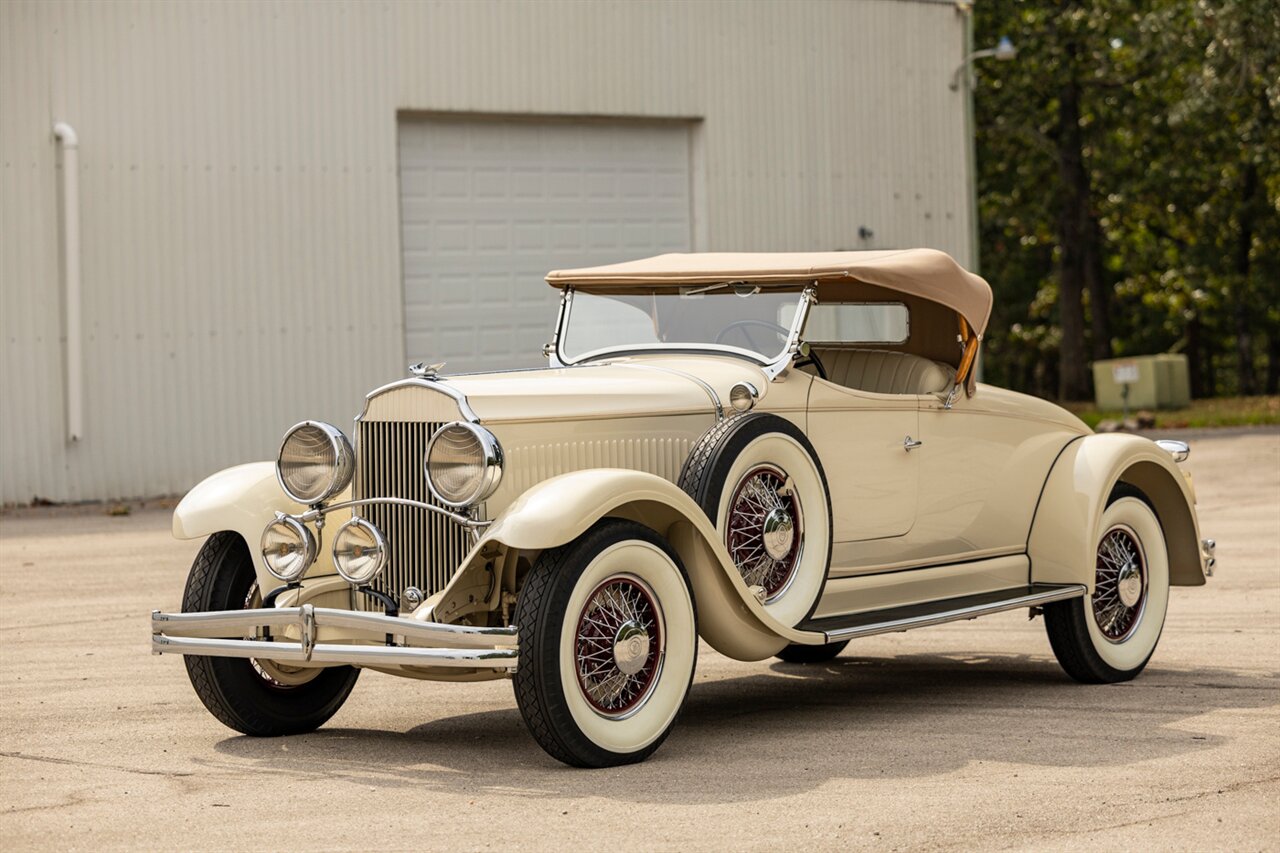
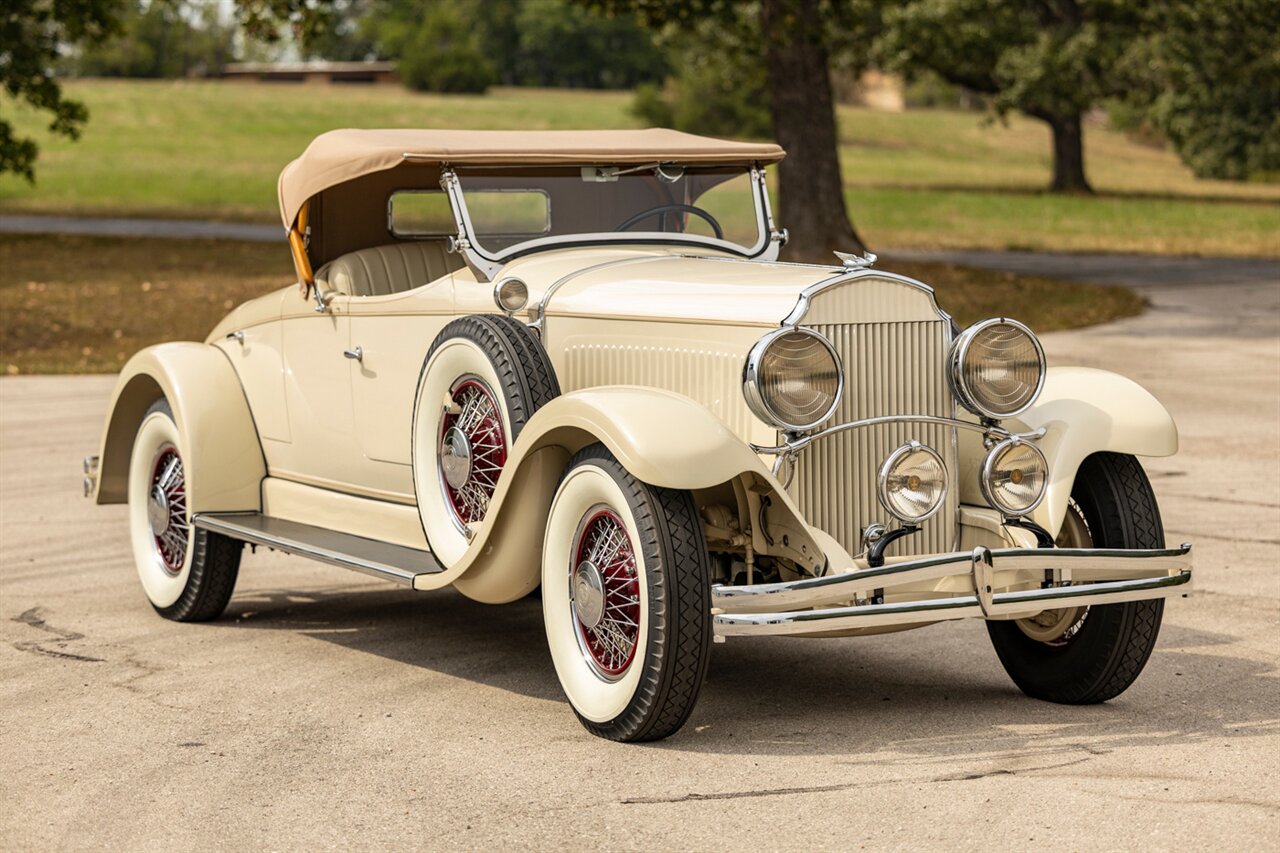
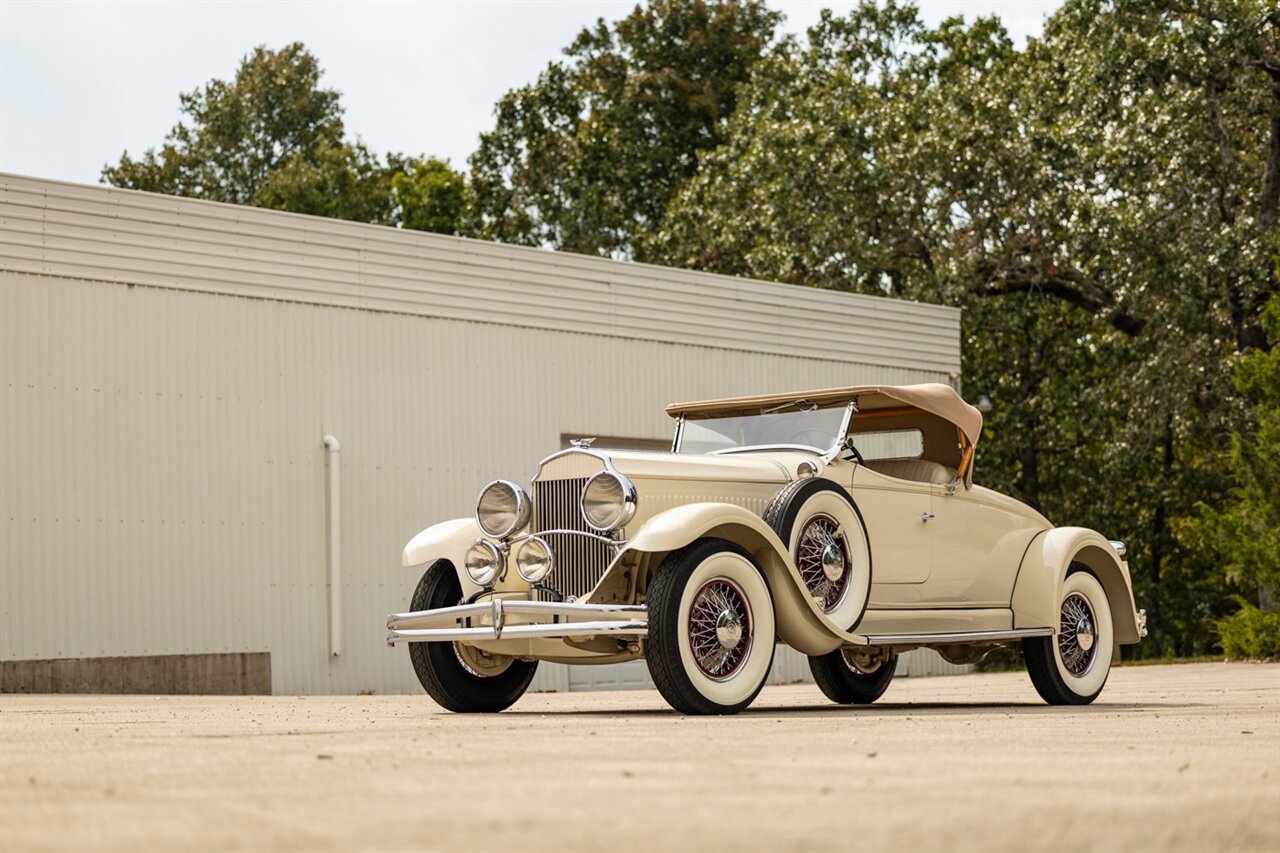
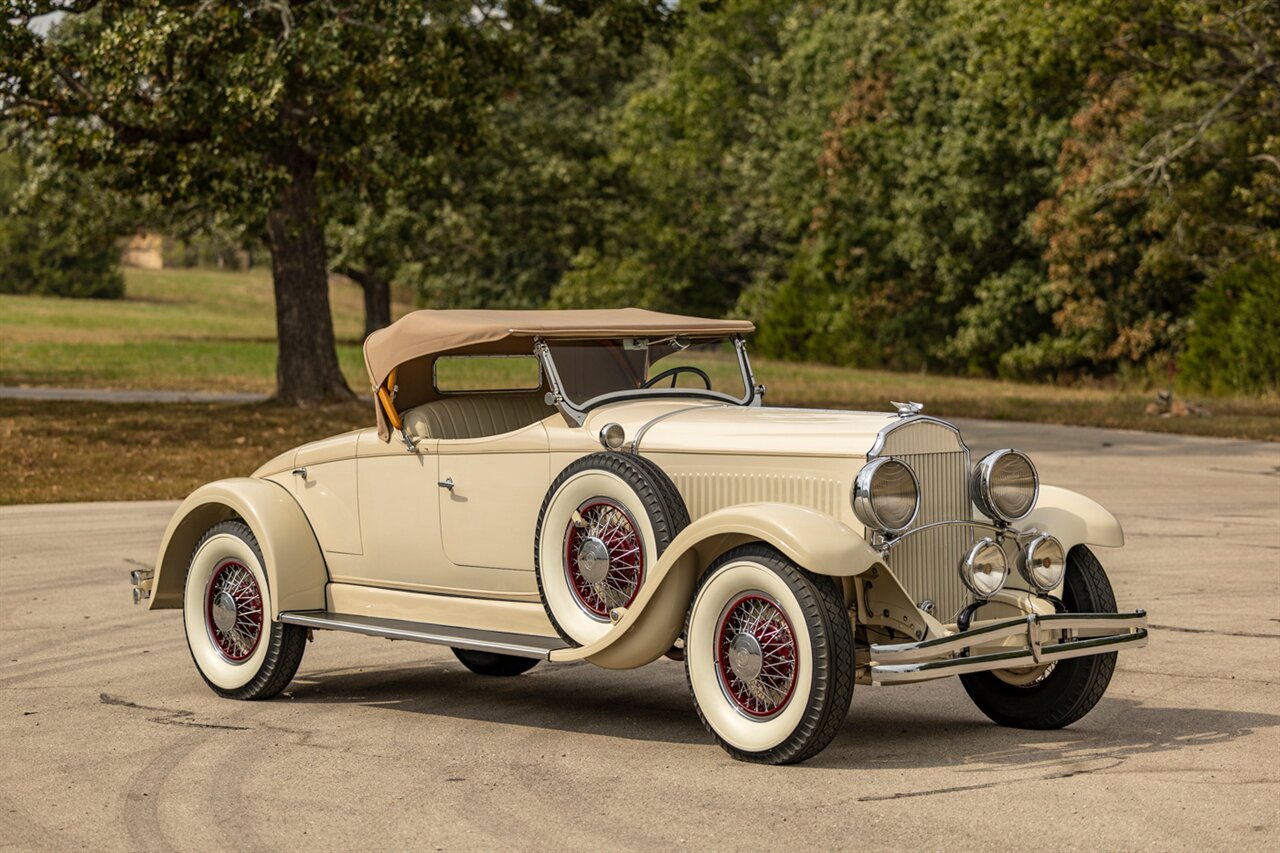
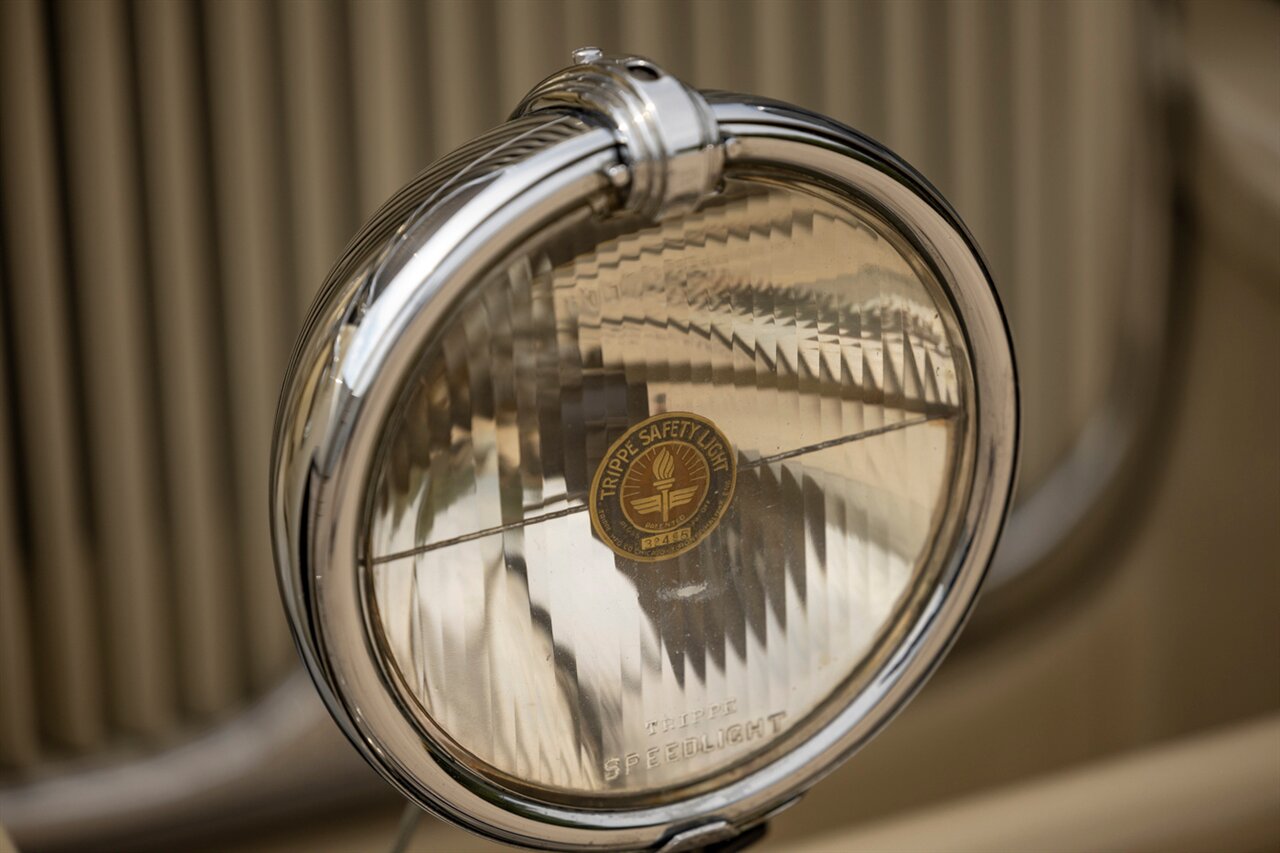
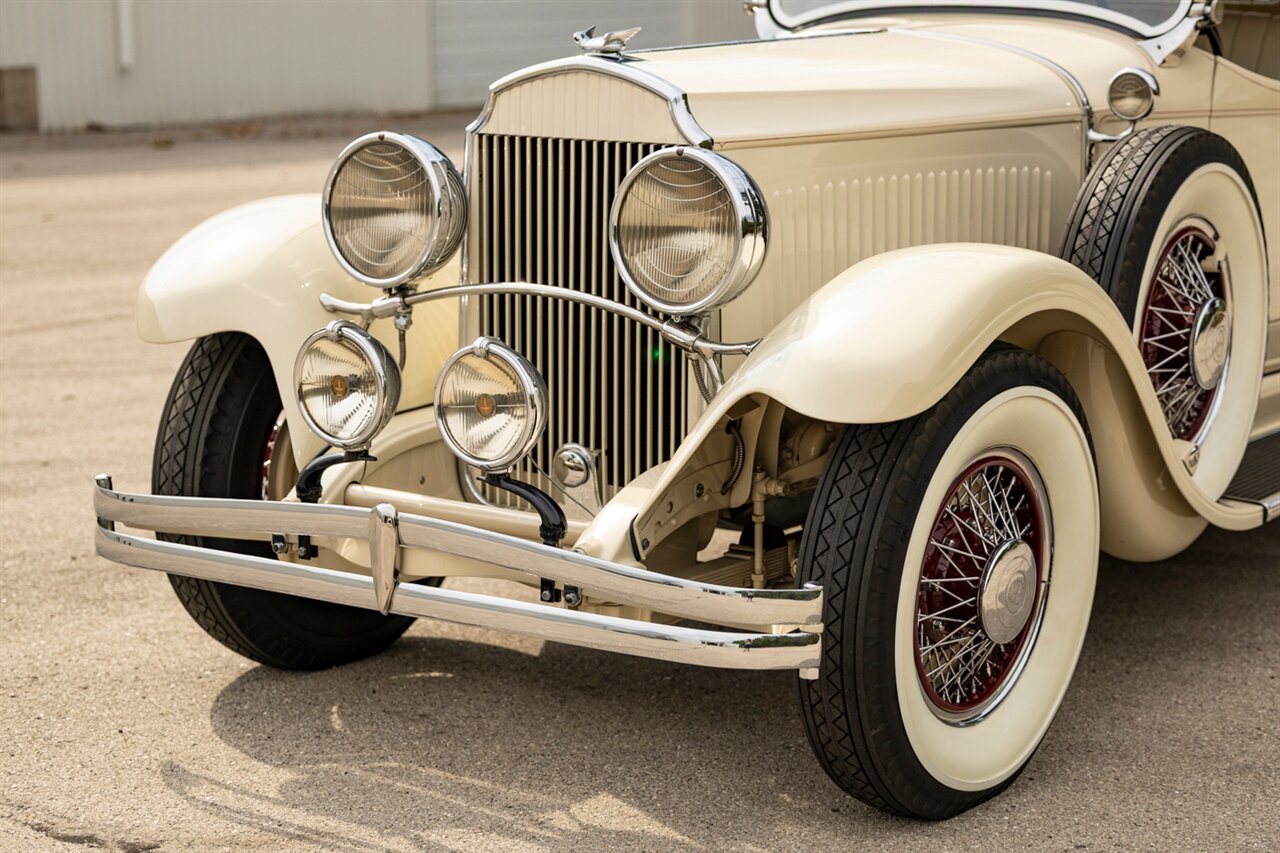
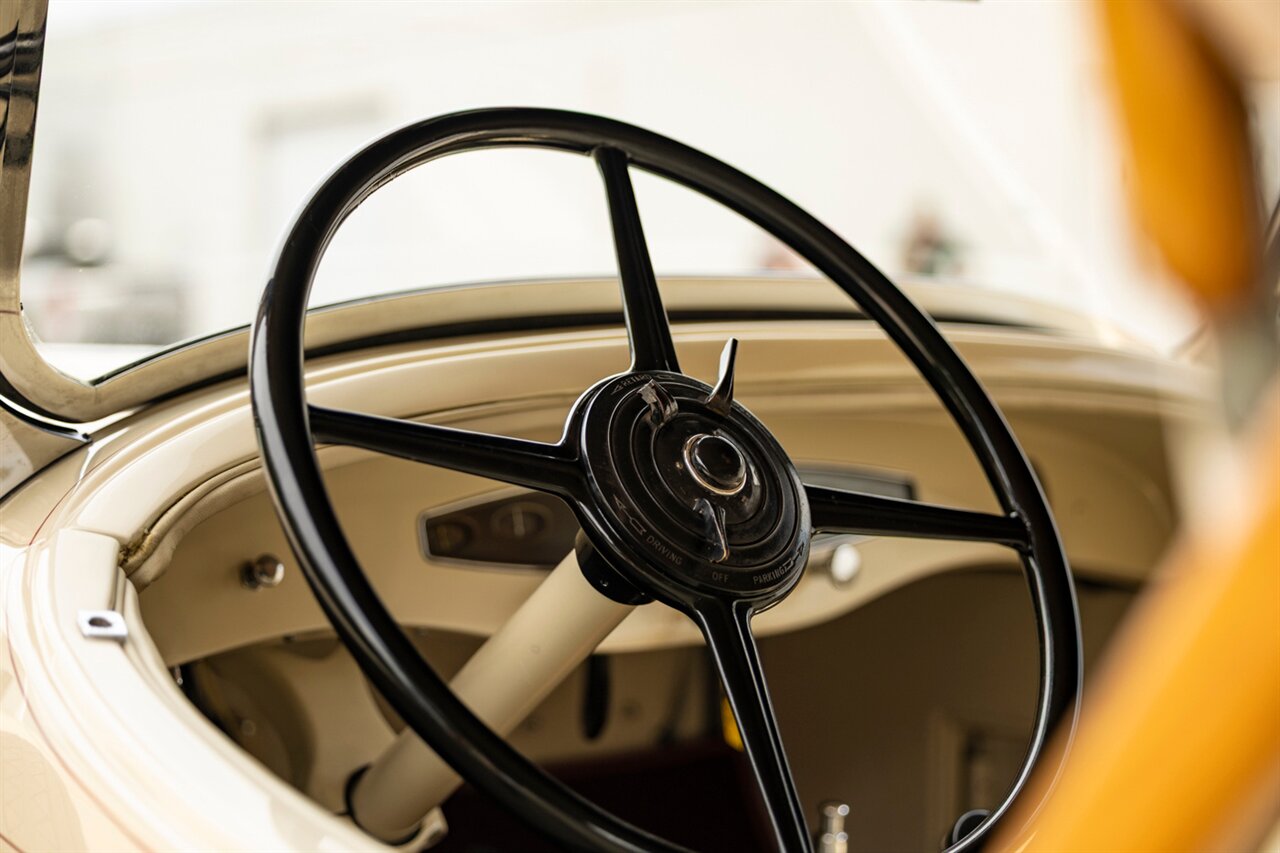
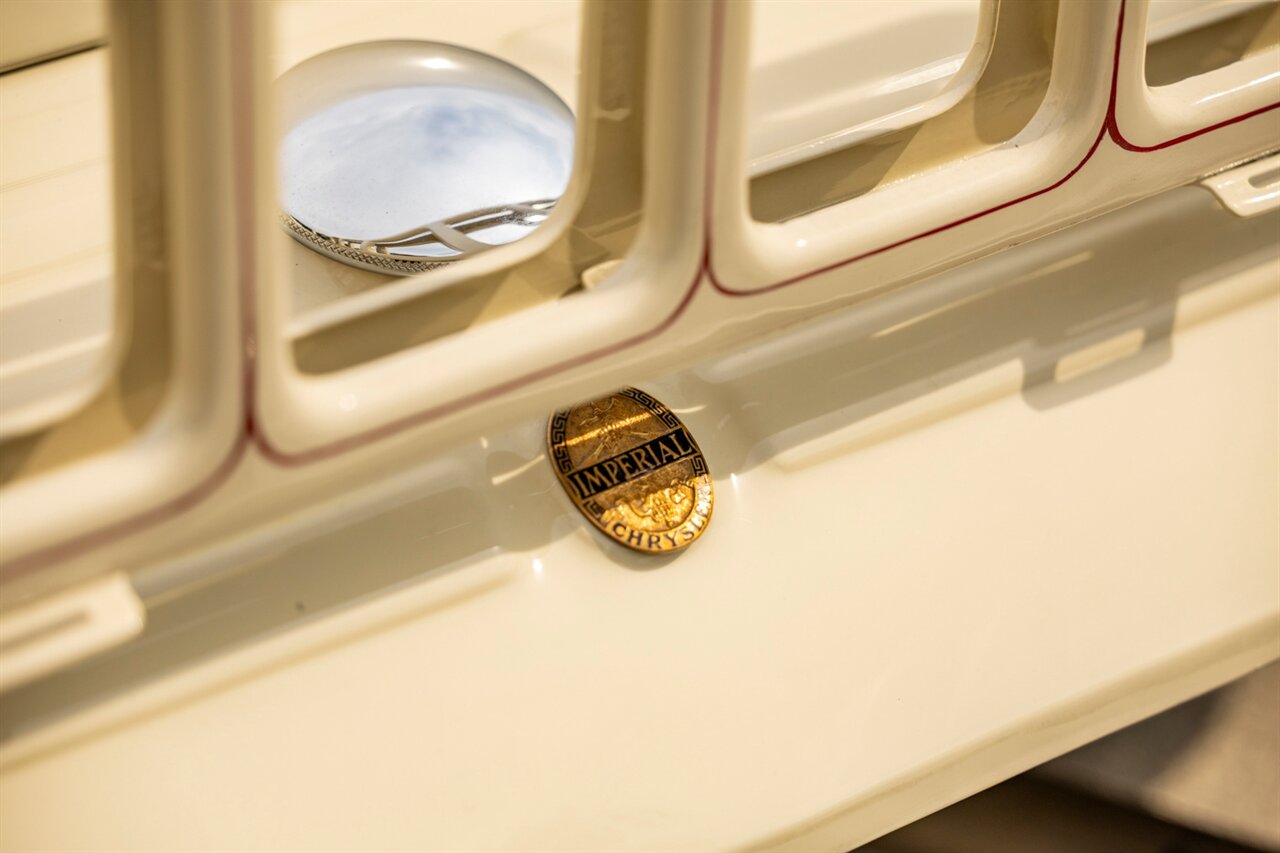
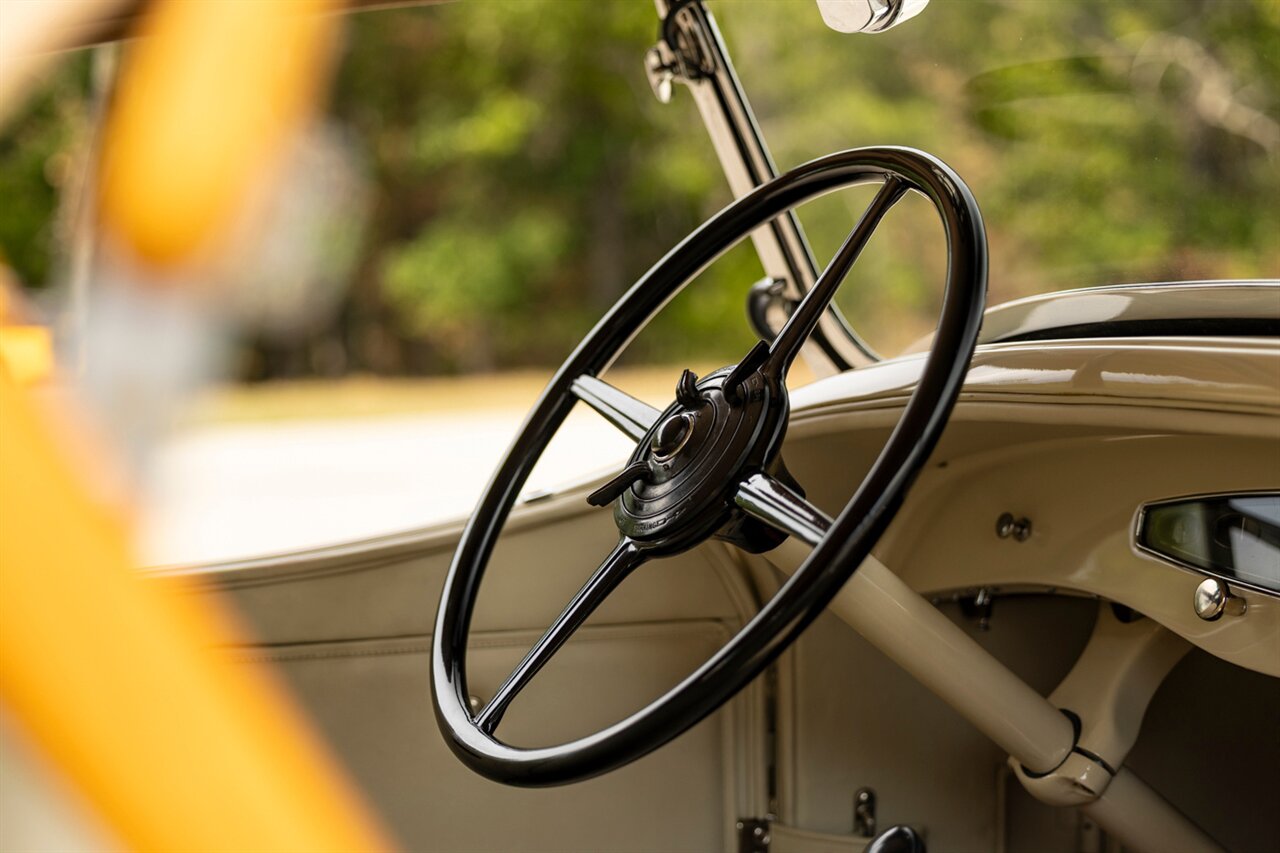
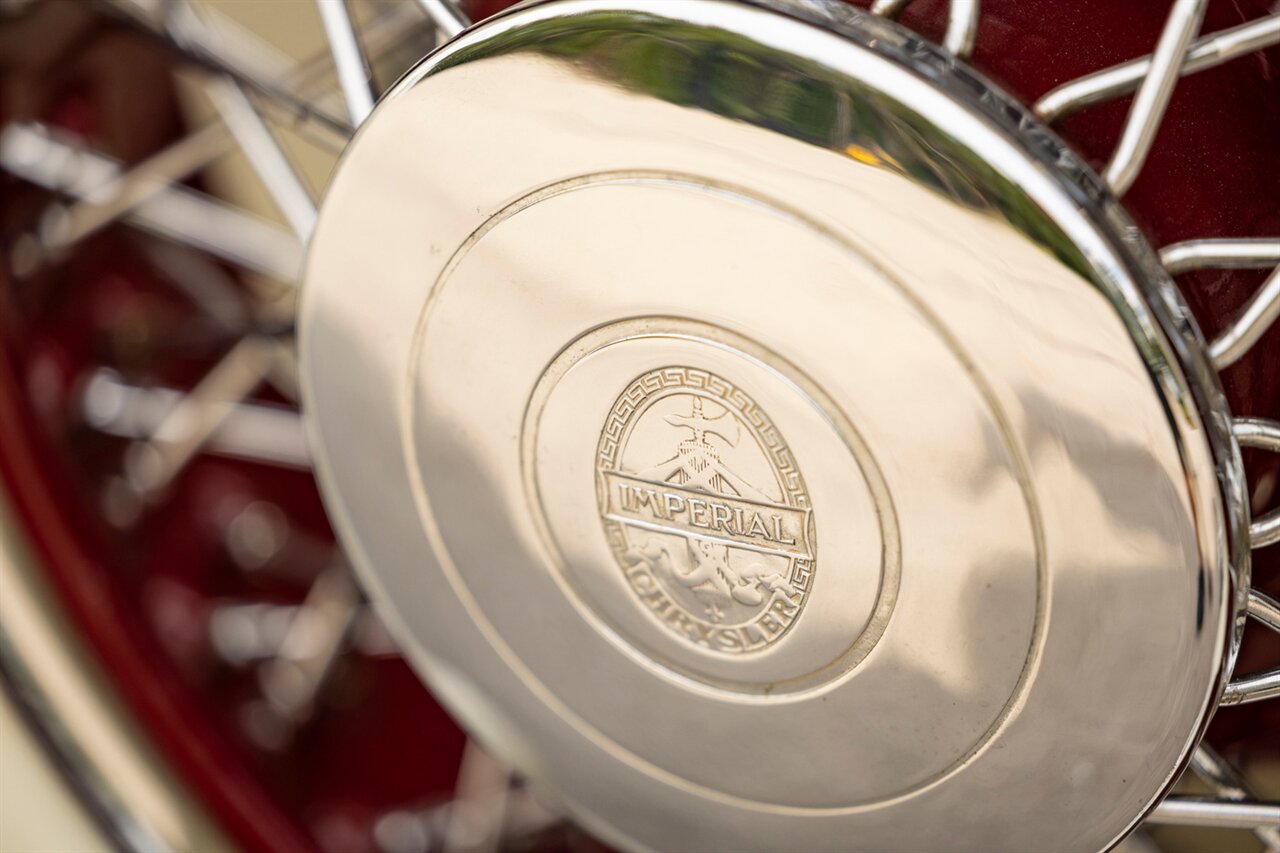
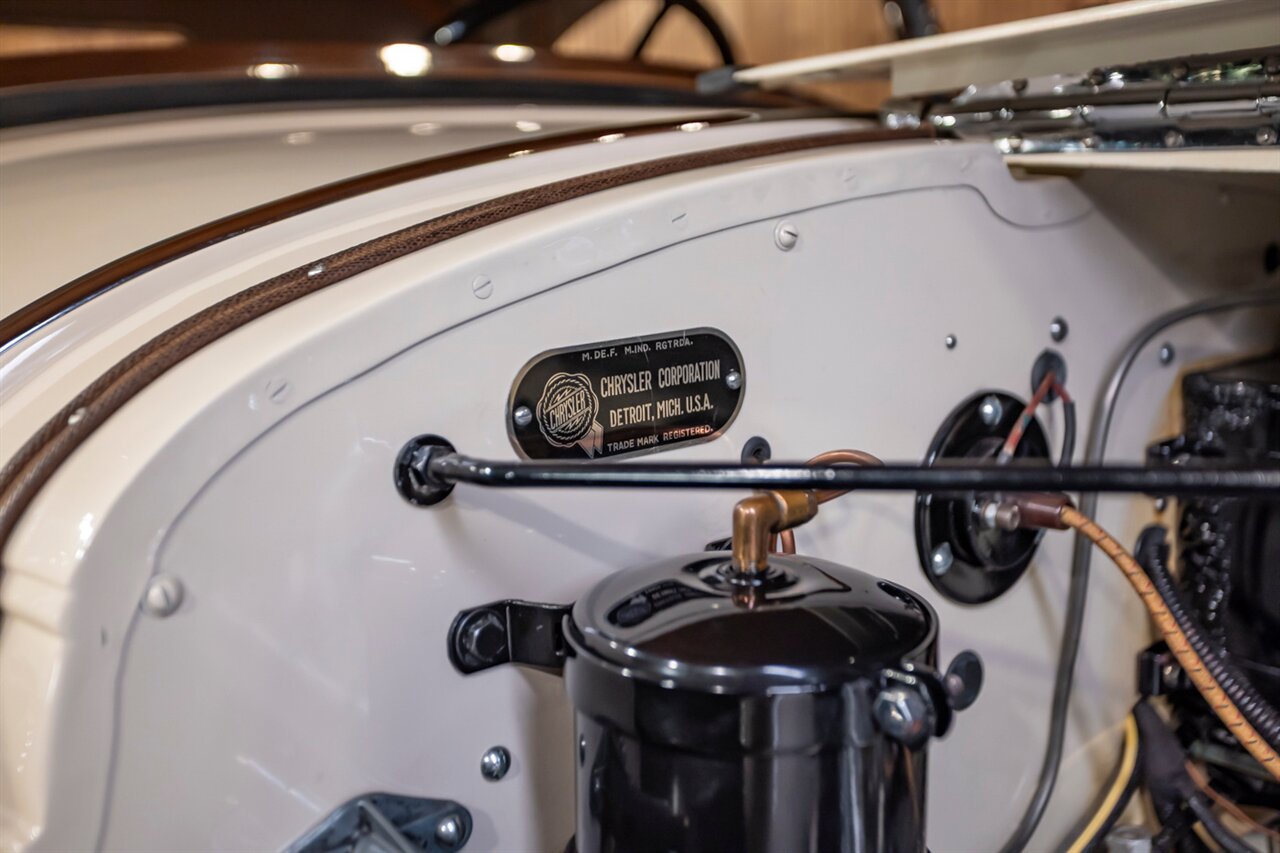
This is our 1929 Chrysler Imperial 80-L Roadster featuring custom coachwork by Locke & Company, finished in Cream with Maroon exterior accents over a Cream interior and presenting beautifully throughout. Believed to be one of approximately 65 Locke-bodied Imperial Roadsters originally produced, with only four known survivors, this Chrysler represents an exceptionally rare example of American custom coachbuilding from the late 1920s. Featuring Locke's distinctive side-entry rumble seat and folding rear passenger windshield, this Imperial has remained in the same private collection since April 2003. During the current owner's stewardship, the automobile underwent an extensive restoration spanning approximately three years, performed in his private restoration facility.
Introduced in 1928, the Chrysler Imperial 80-L represented the company's largest, most powerful, and most expensive automobile to date. As Chrysler's flagship luxury model, the Imperial was designed to compete with prestigious American manufacturers such as Packard, Cadillac, and Lincoln. Combining advanced engineering, substantial performance, and an extensive selection of factory and custom coachwork, the Imperial 80-L reflected Walter P. Chrysler's ambition to establish his relatively young automobile company among America's premier luxury manufacturers.
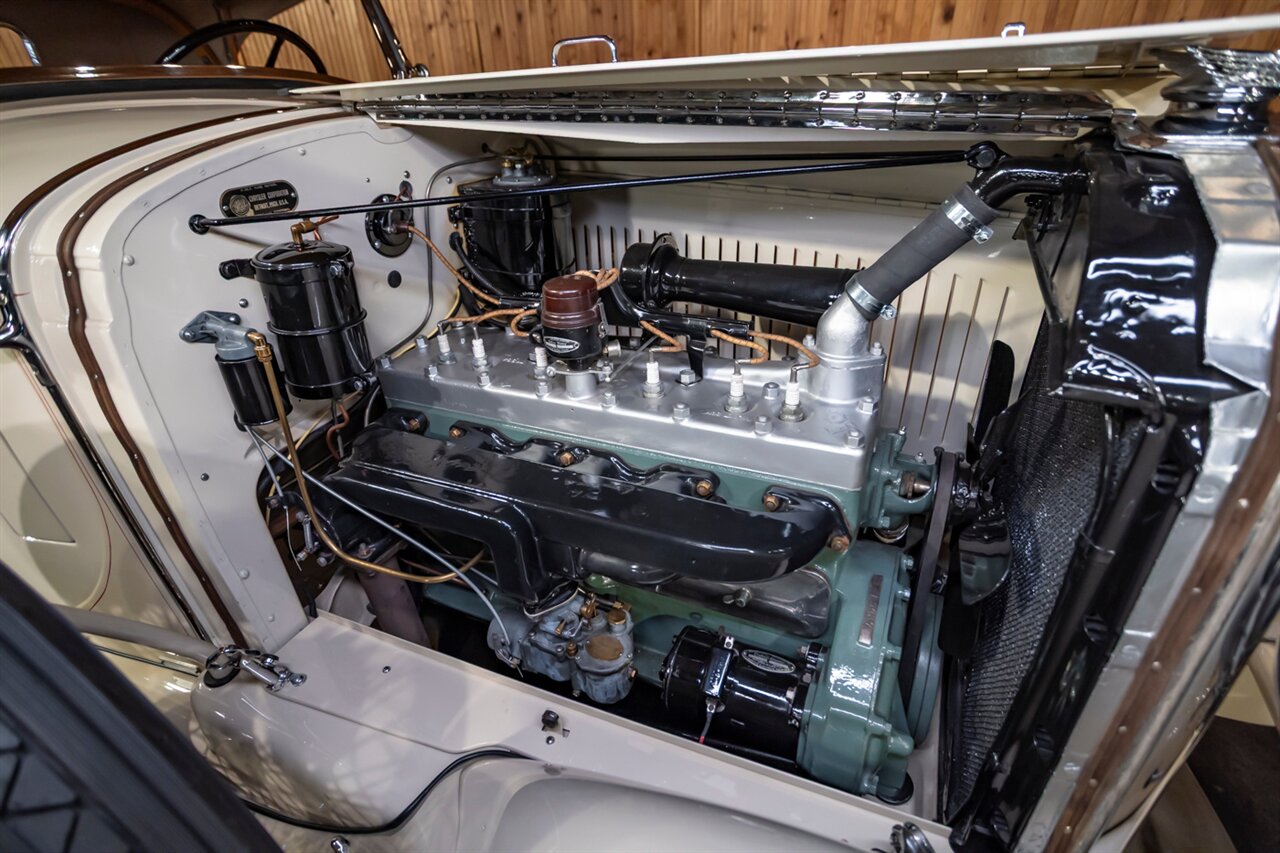
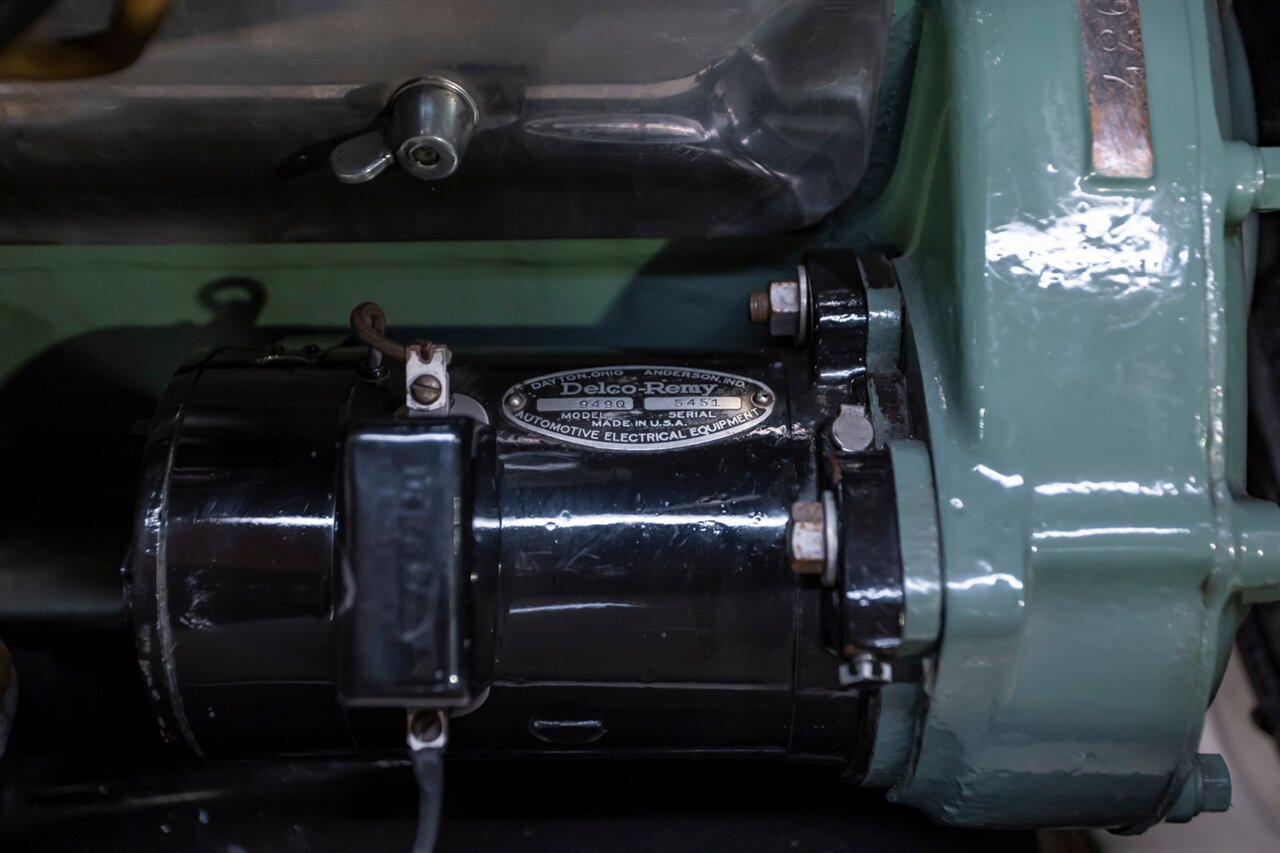
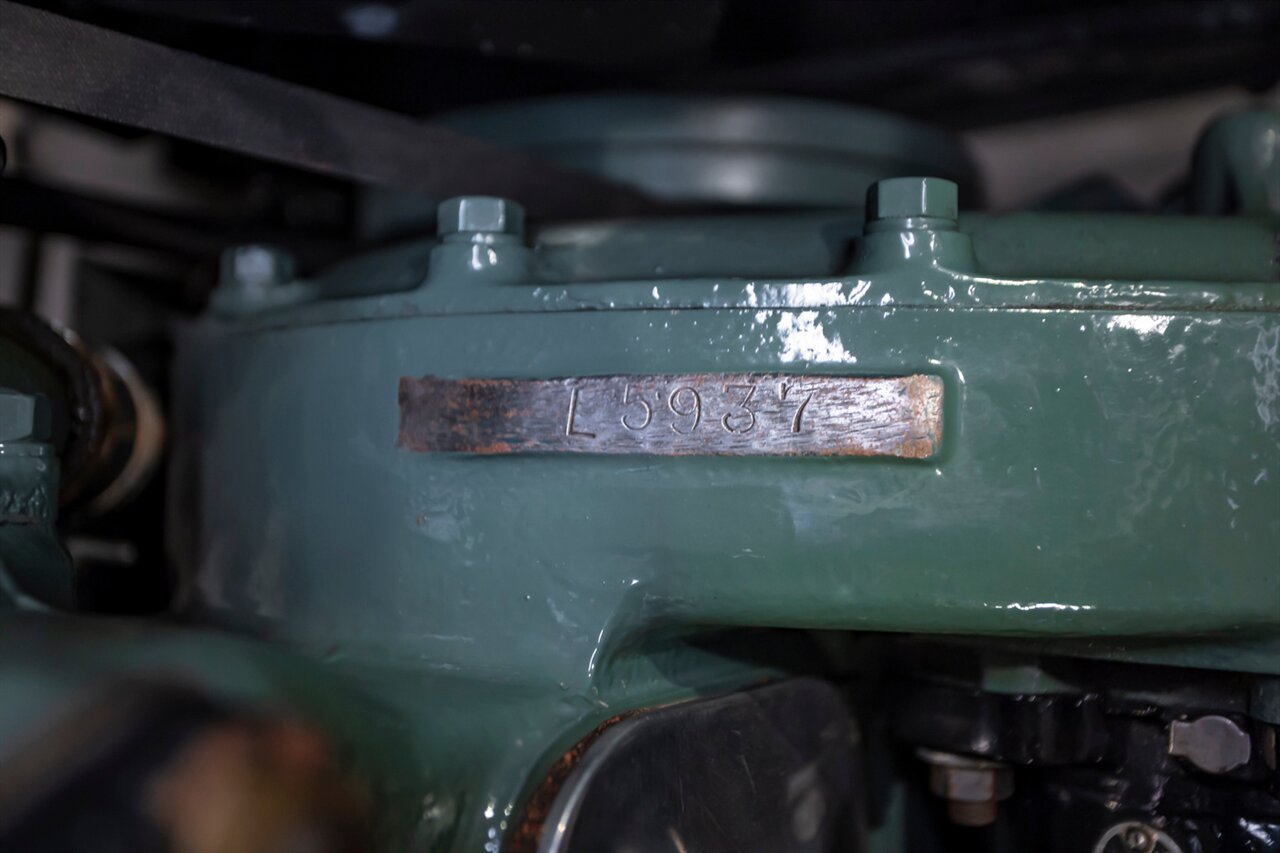
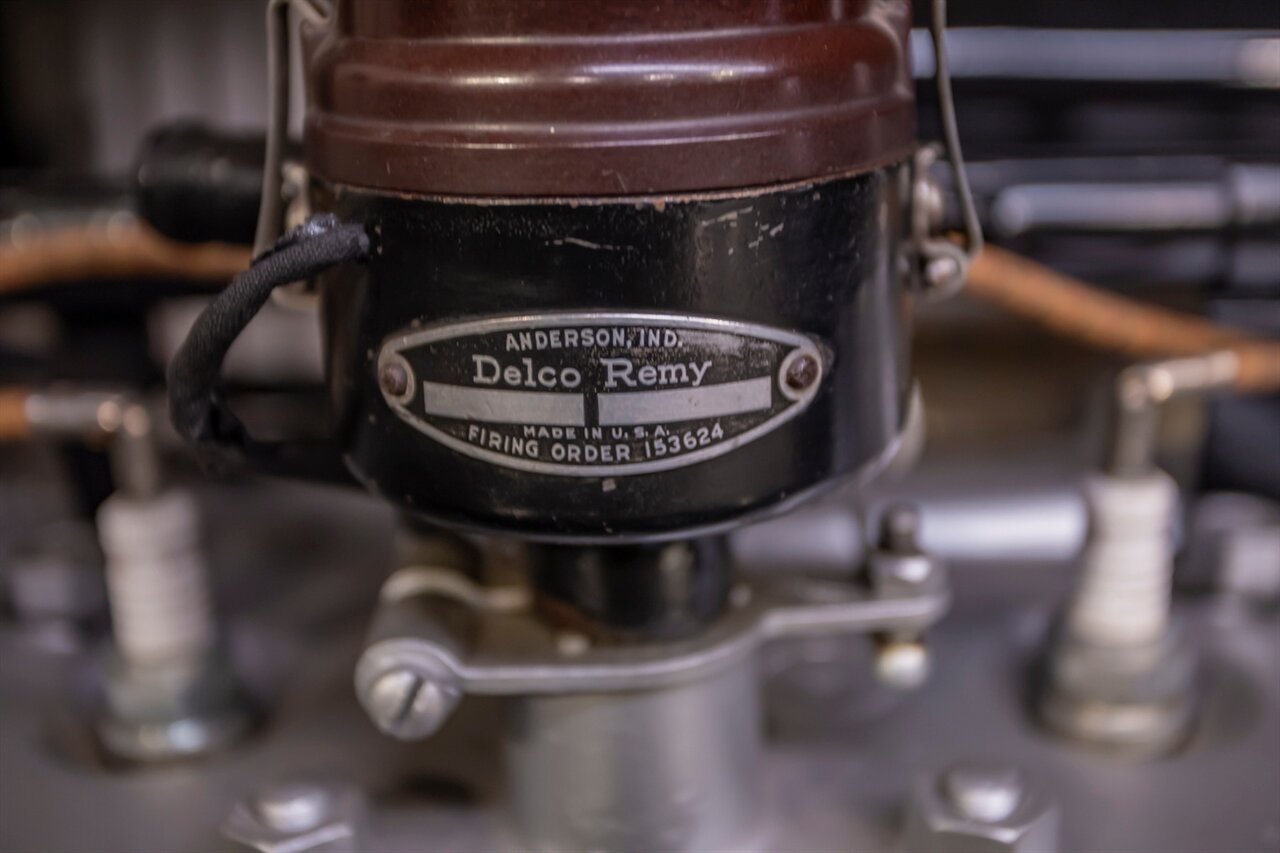
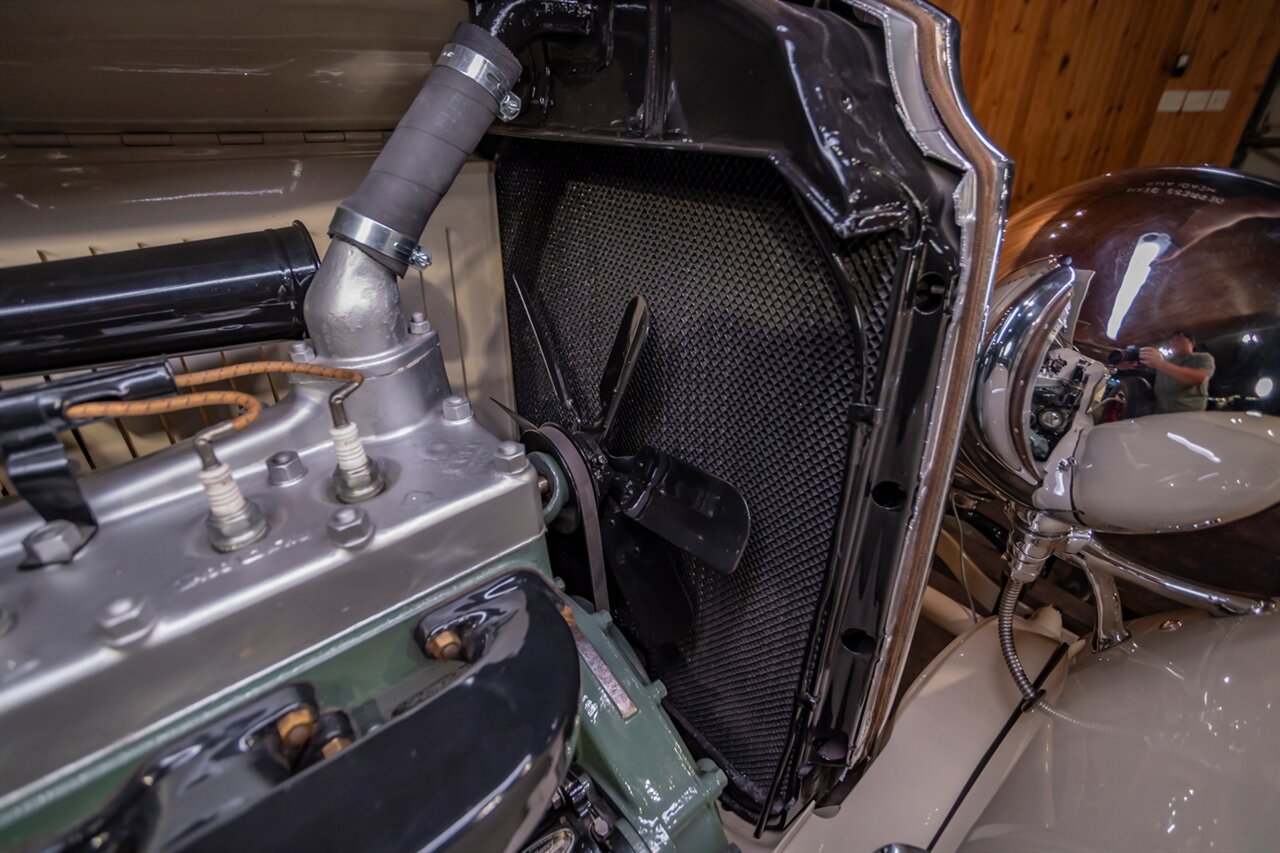
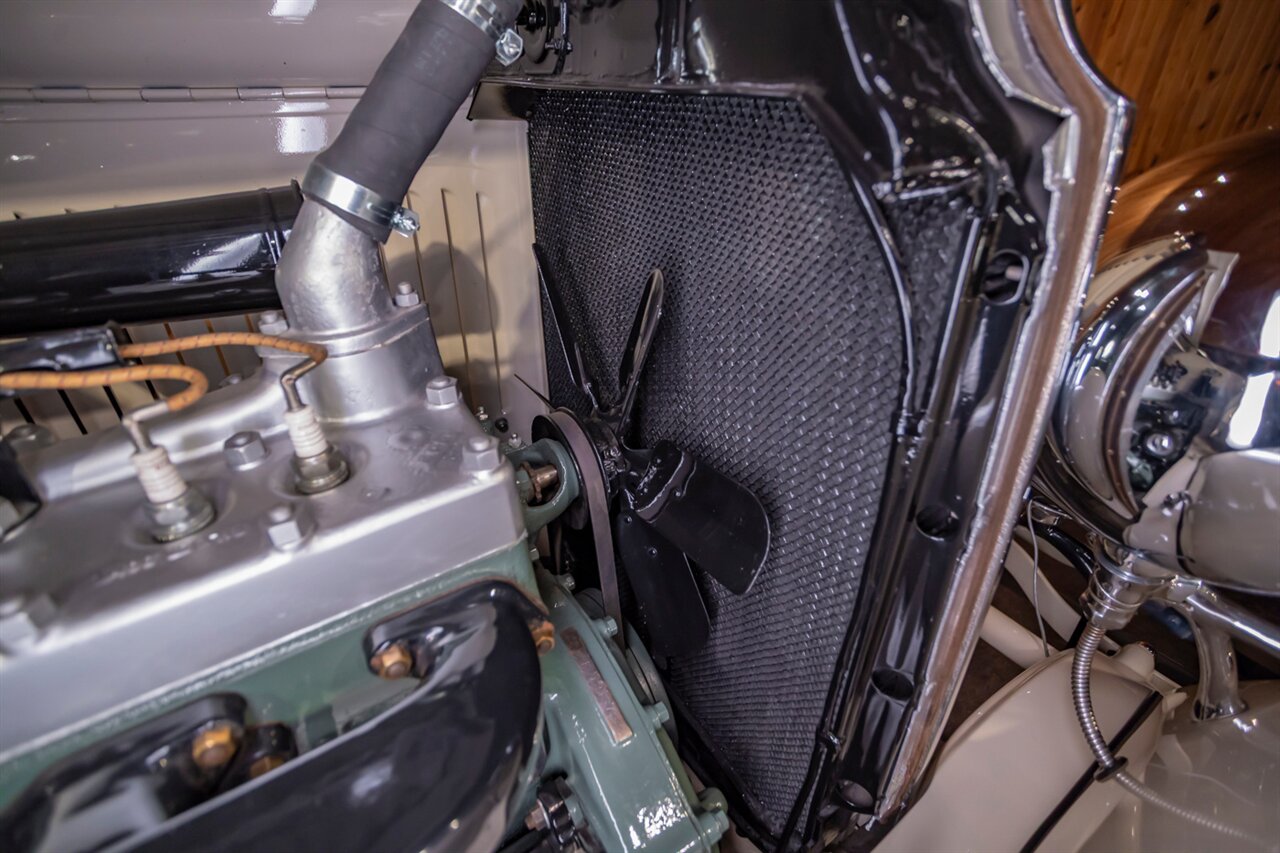
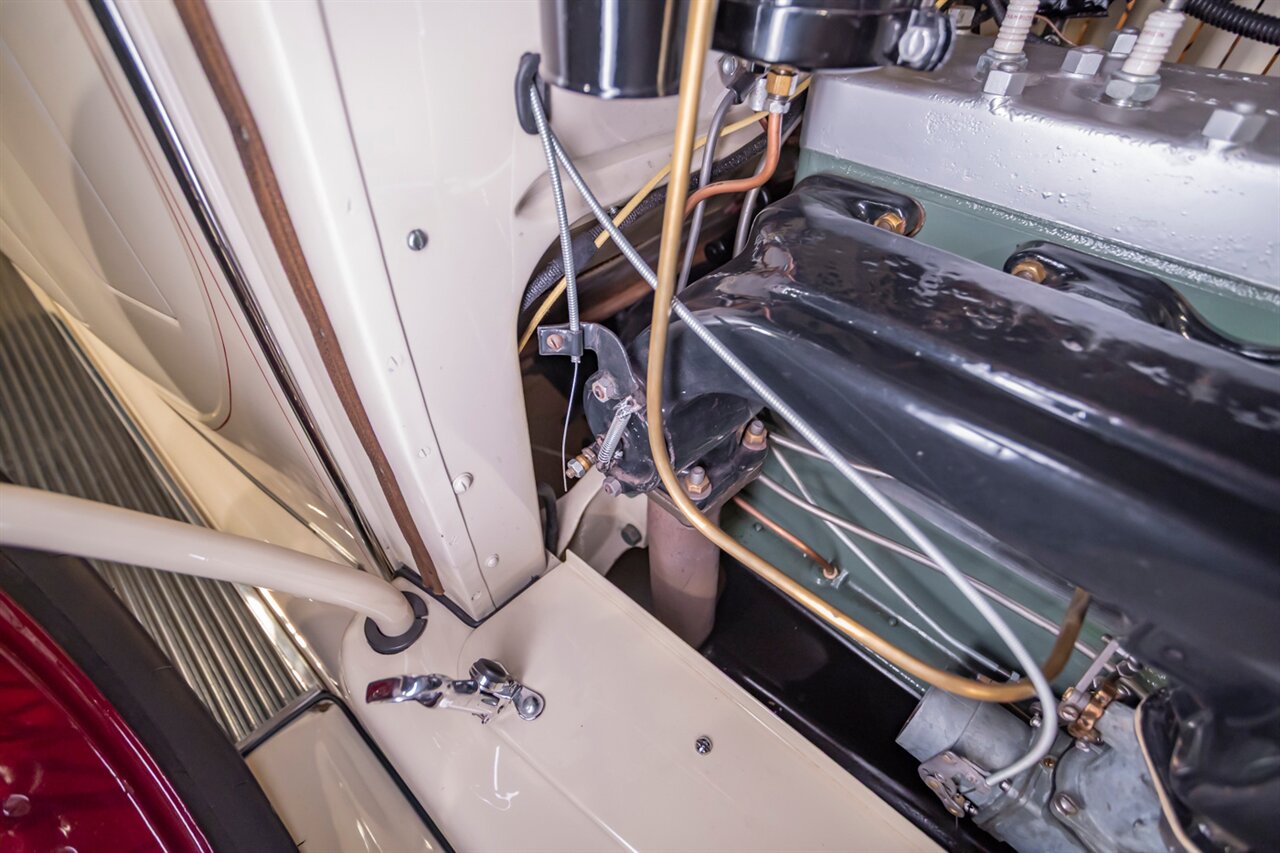
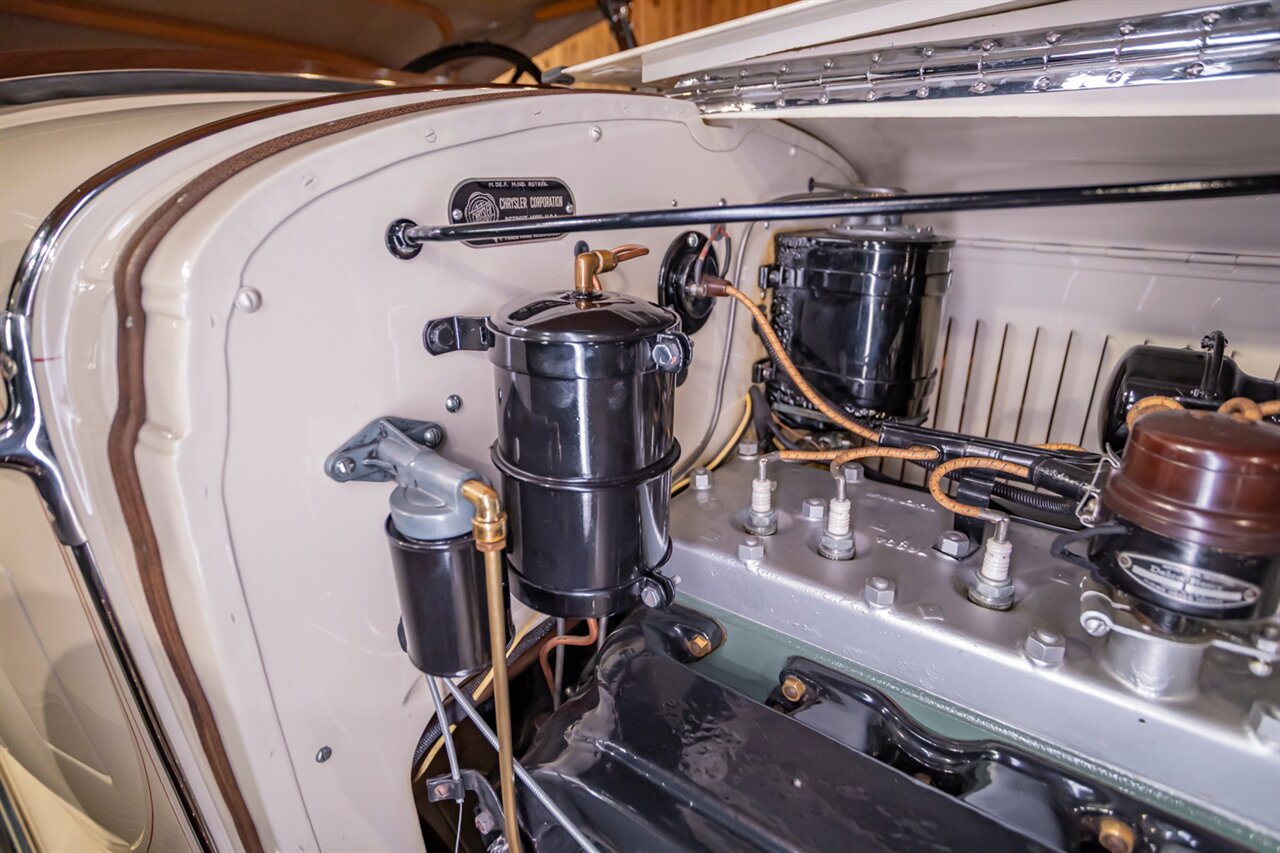
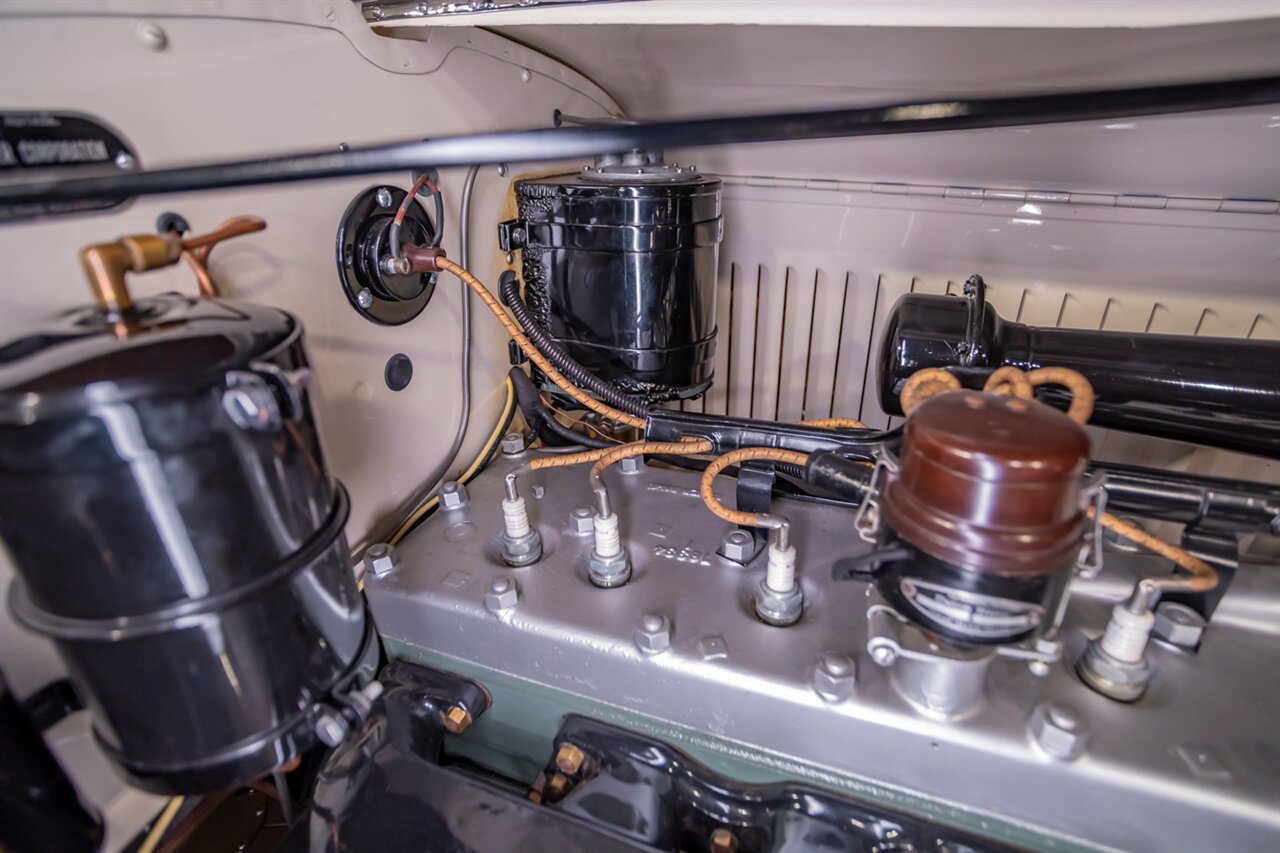
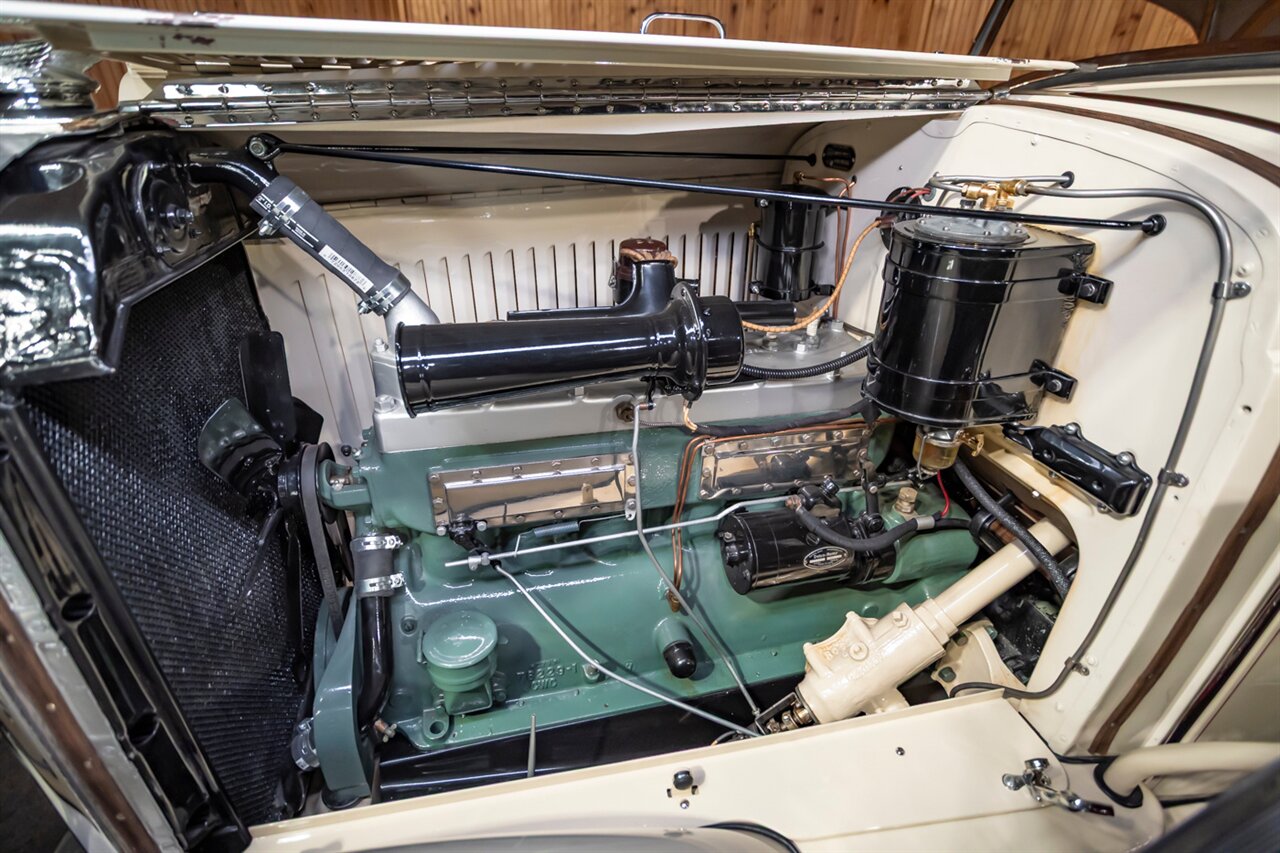
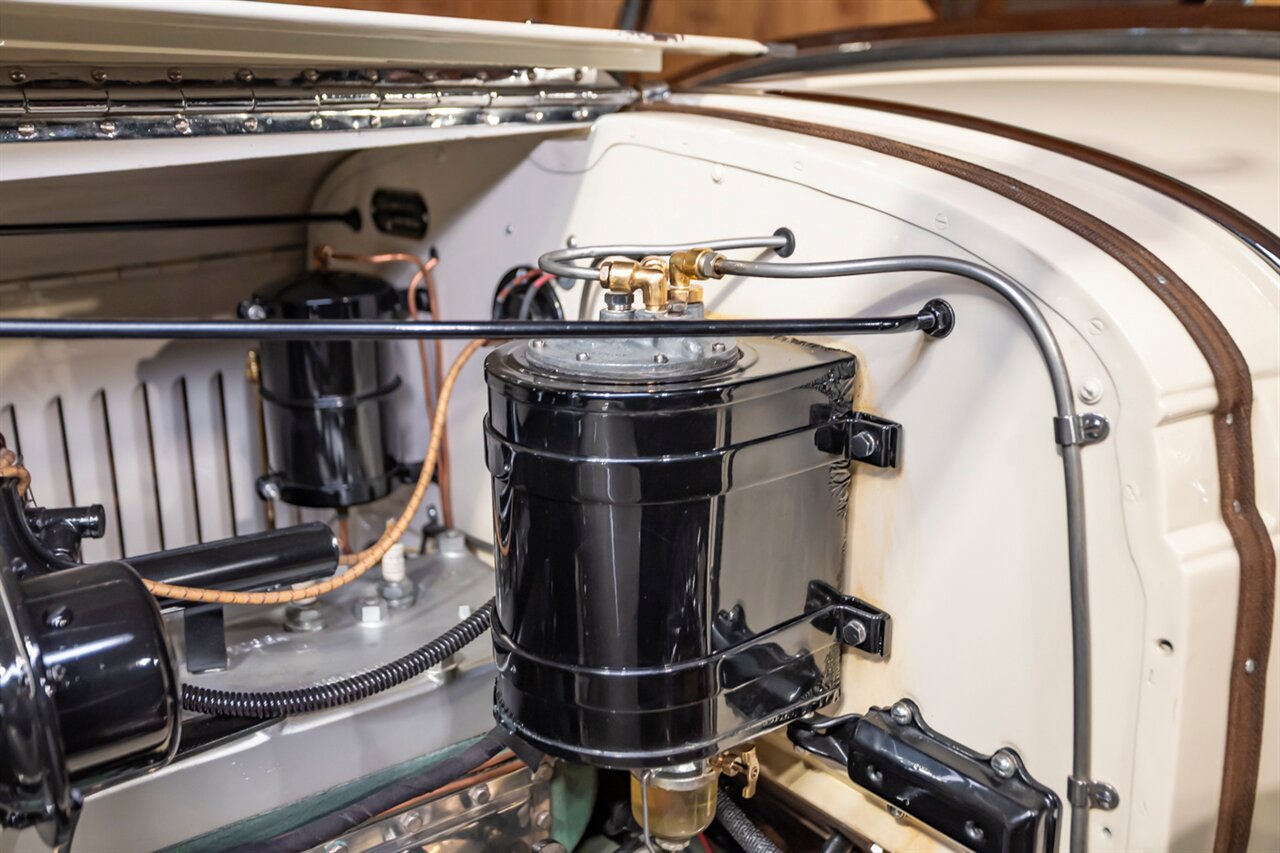
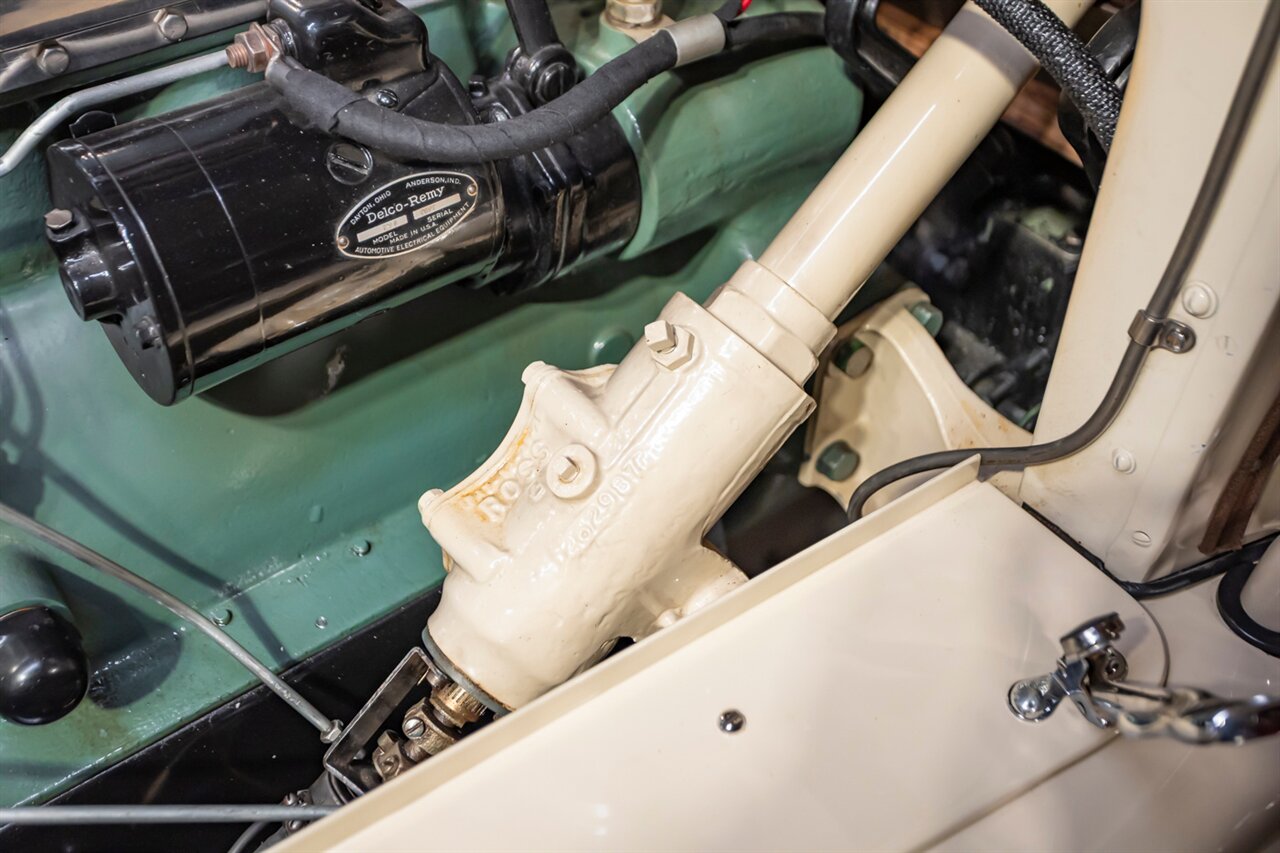
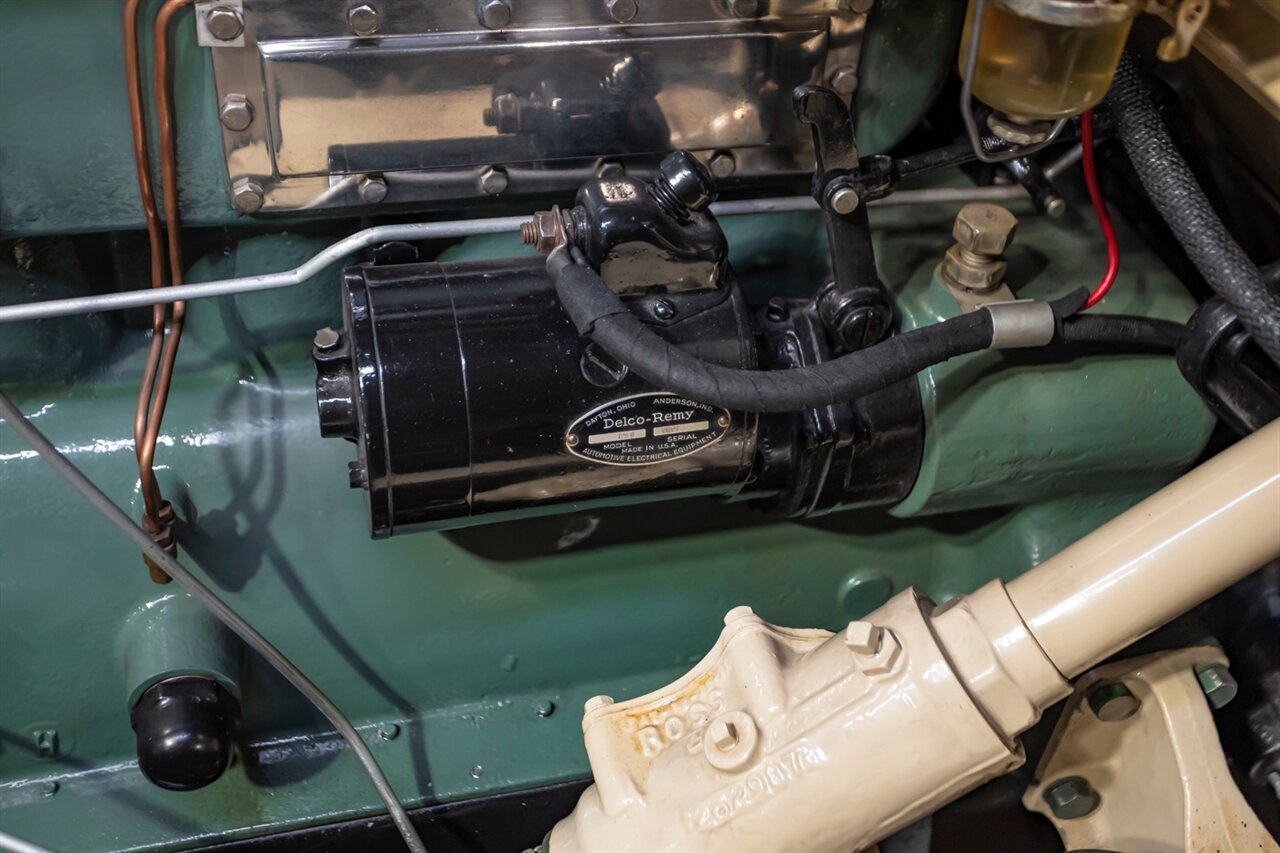
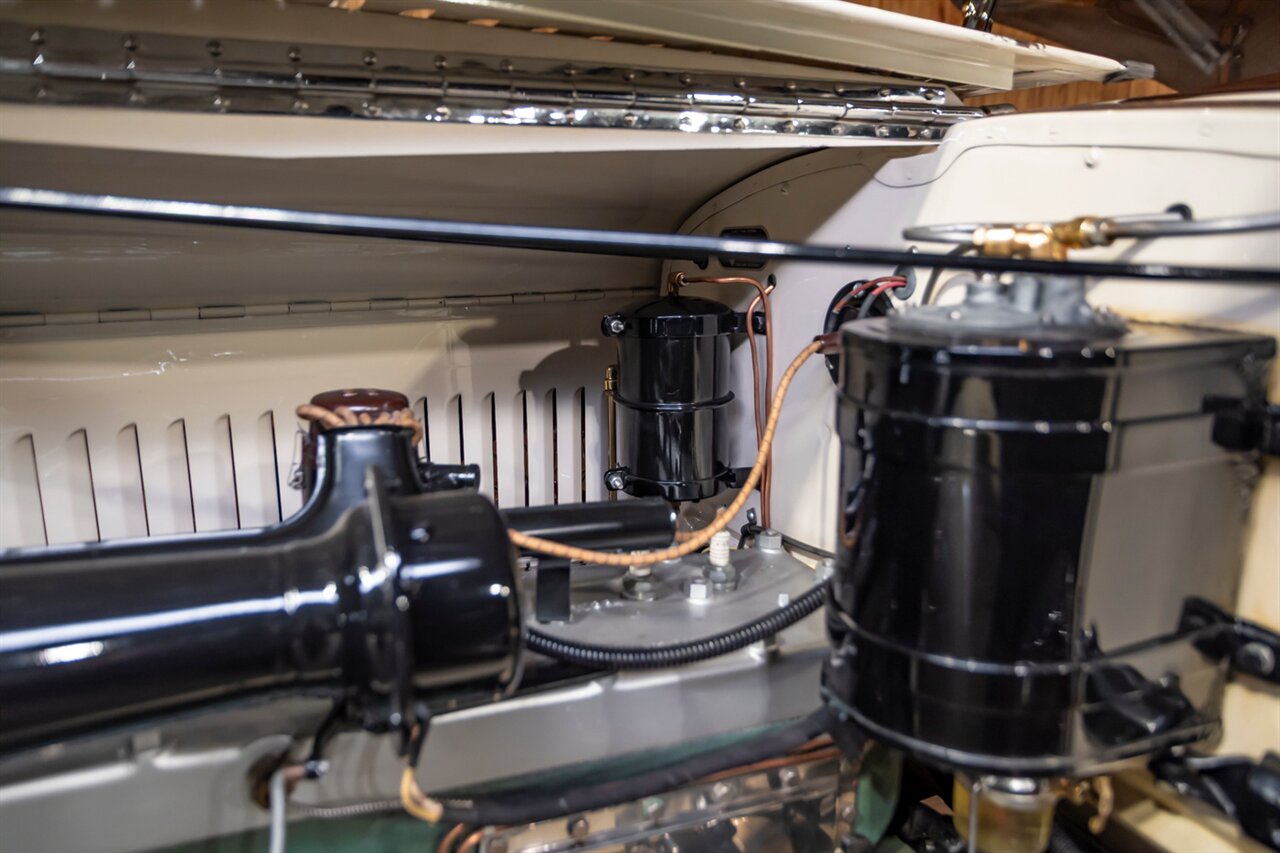
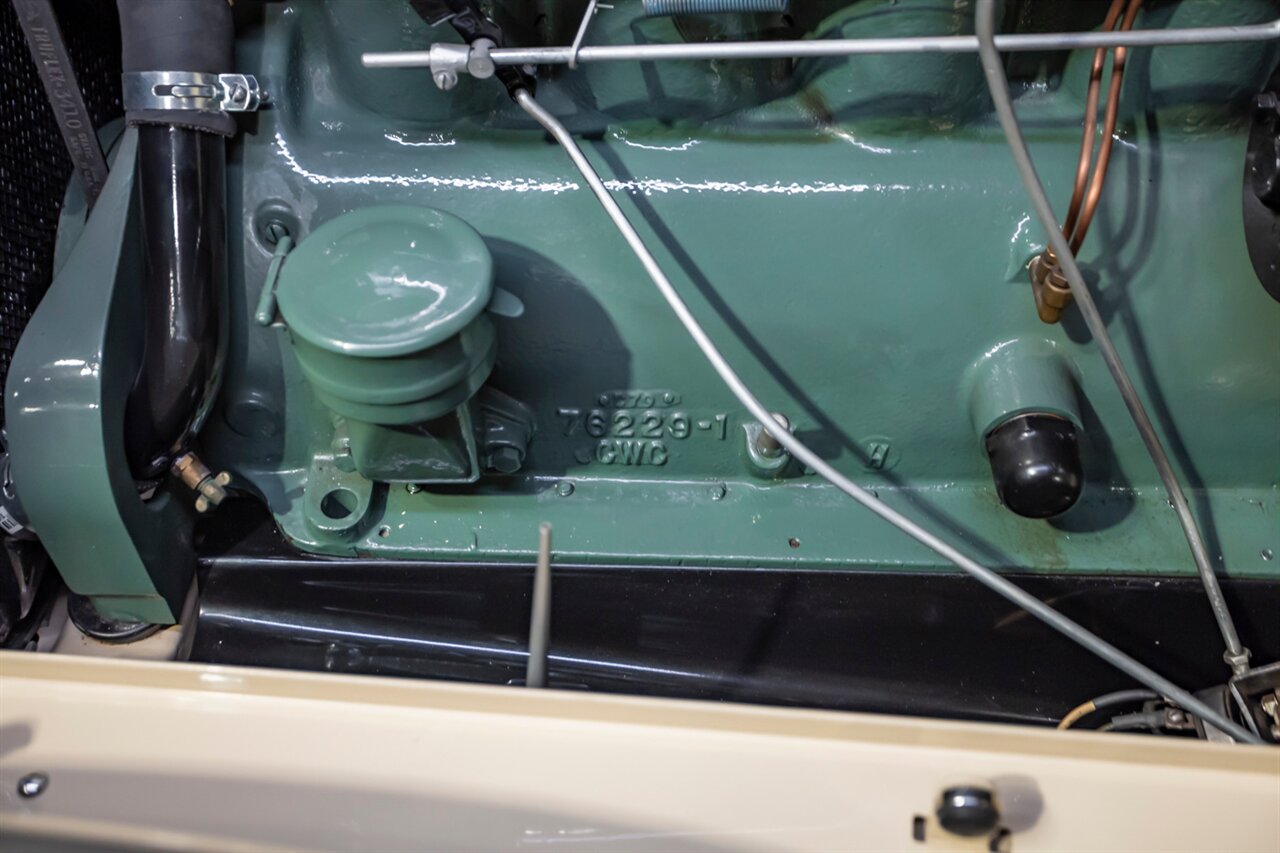
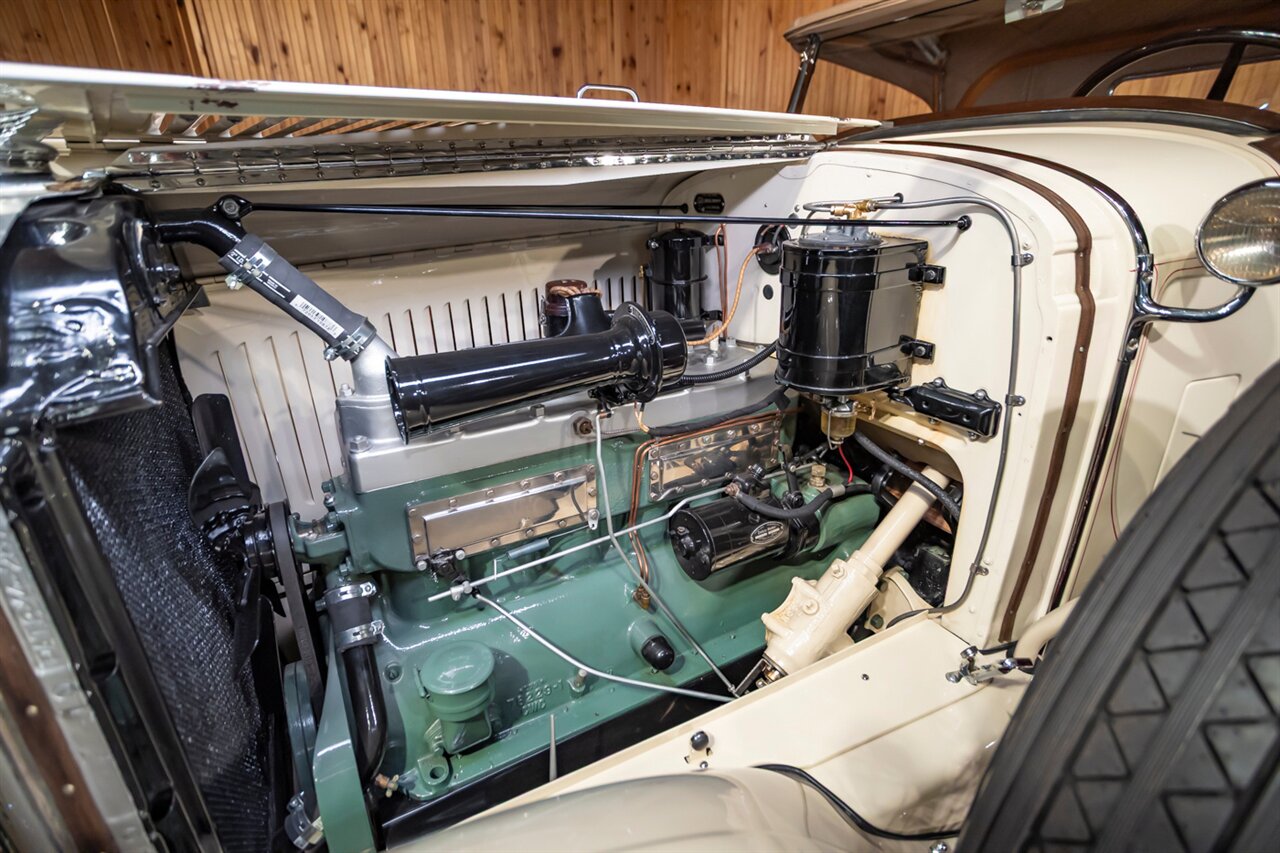
Power was supplied by Chrysler's 309.3-cubic-inch L-head inline-six engine, featuring seven main bearings and producing 100 horsepower in standard configuration, with an optional higher-output version rated at 112 horsepower. Paired with a three-speed manual transmission, the Imperial 80-L offered impressive performance for its era. The model's Series 80 designation reflected Chrysler's emphasis on high-speed touring, with the automobile promoted for its ability to achieve speeds approaching 80 mph. Its substantial 136-inch wheelbase provided the foundation for the imposing proportions and refined road manners expected of a flagship luxury automobile.
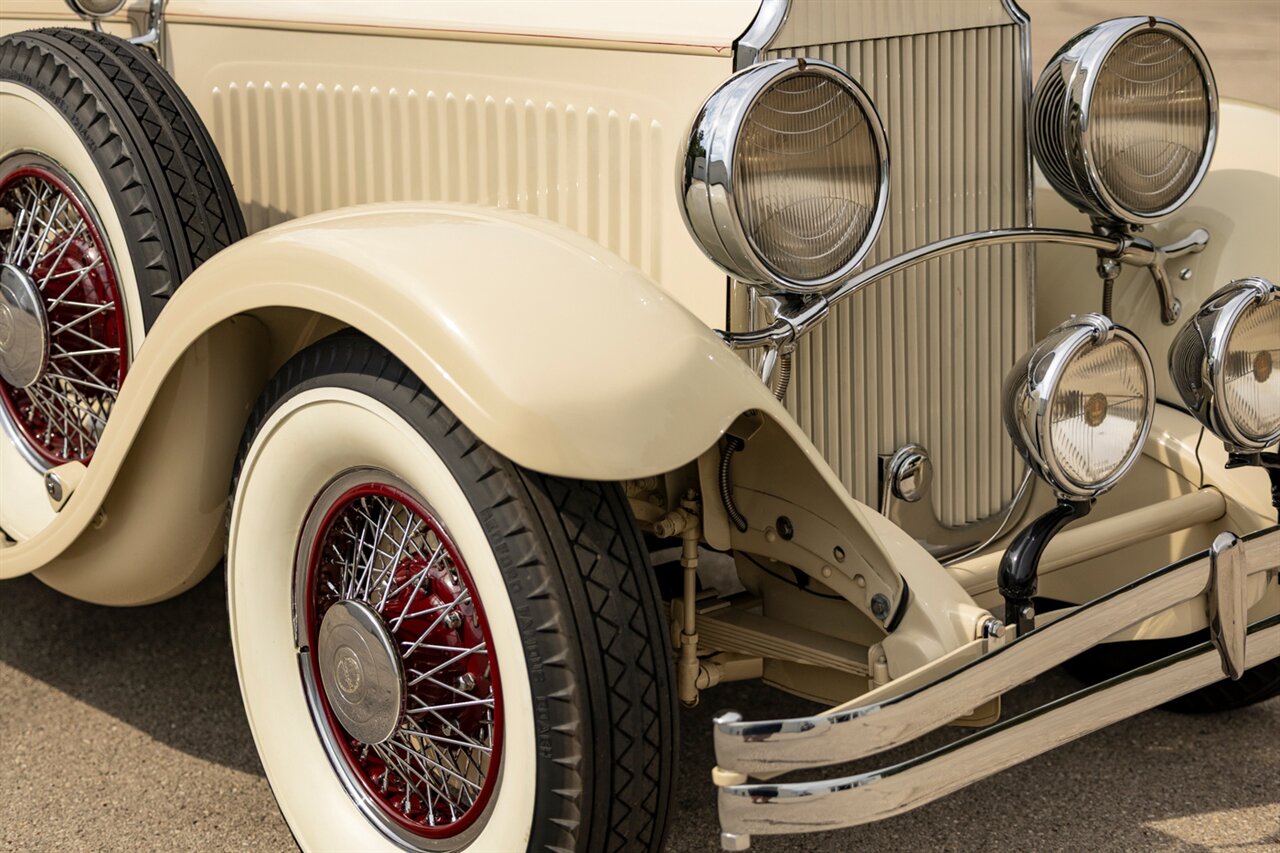
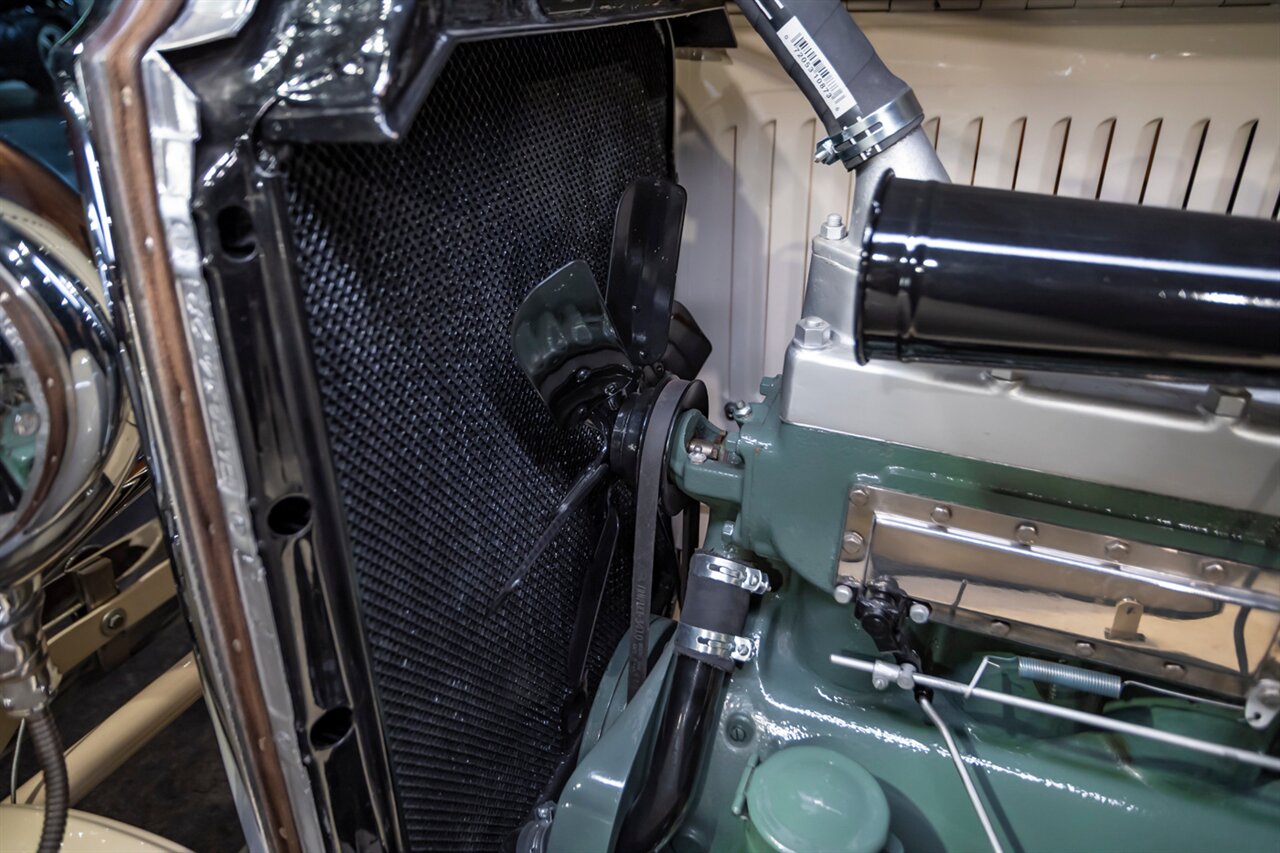
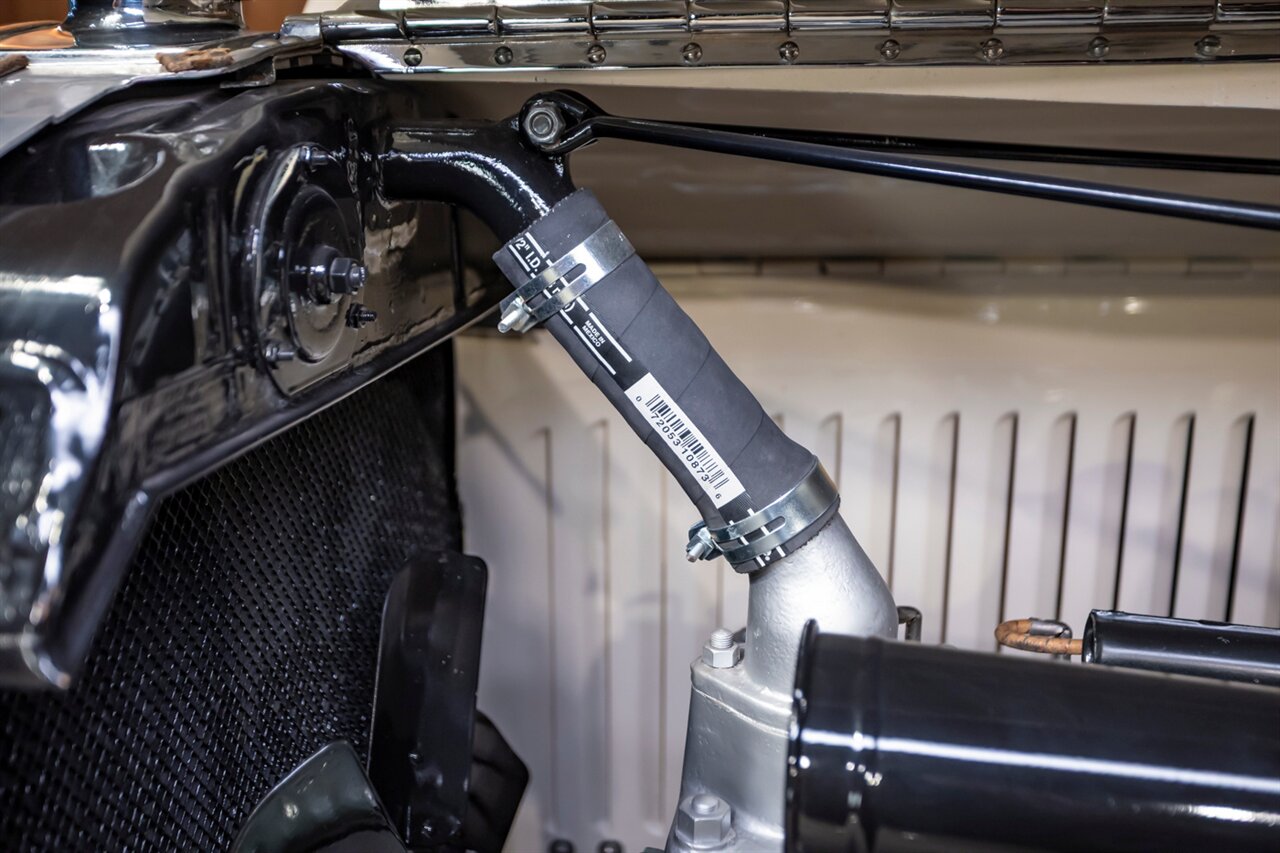
The Imperial 80-L also incorporated several advanced mechanical features, including four-wheel hydraulic brakes, a tubular front axle, and a narrow radiator fitted with thermostatically controlled shutters to regulate engine temperature. These engineering innovations distinguished Chrysler from many of its contemporaries and contributed to the company's growing reputation for combining mechanical sophistication with luxury and performance.
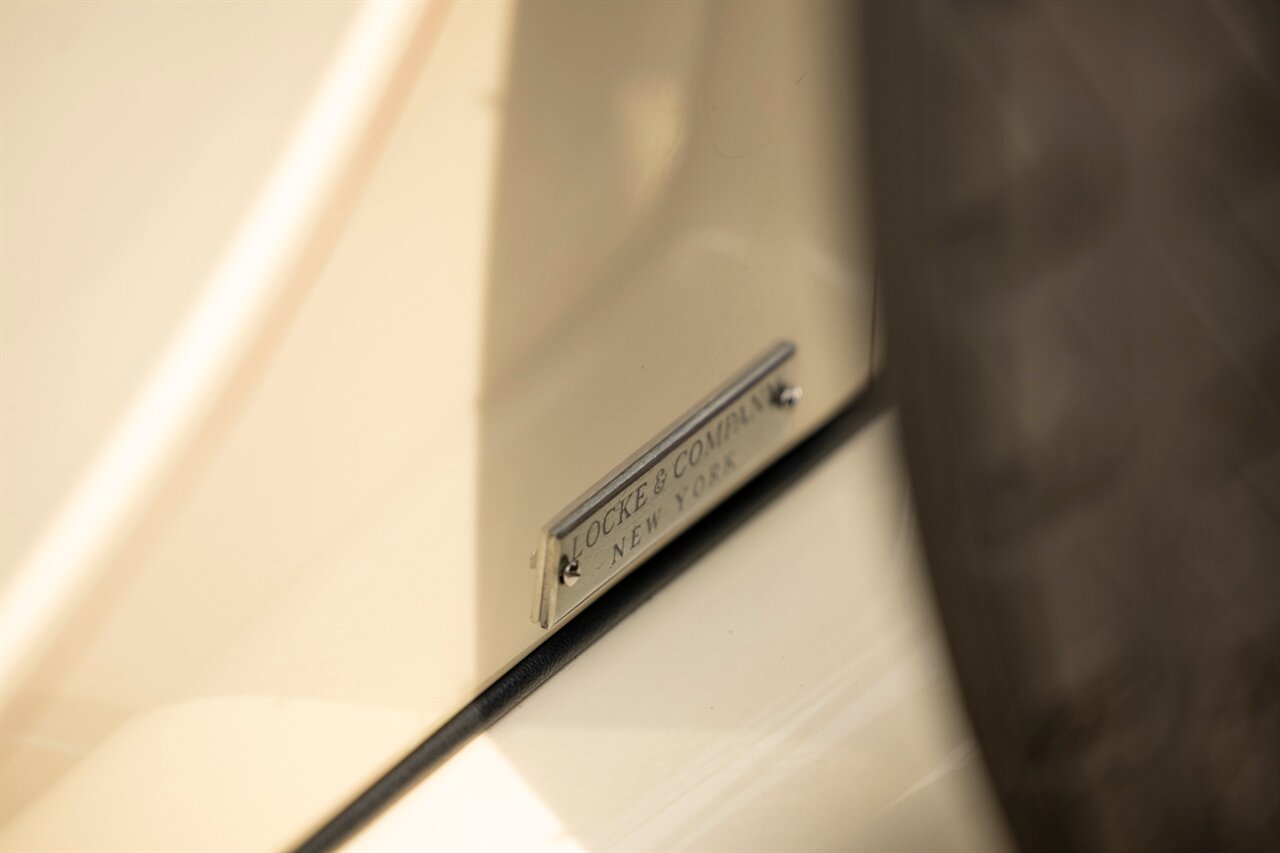
While Chrysler offered several factory body styles, the Imperial 80-L could also be ordered with distinctive semi-custom coachwork by Locke & Company, one of America's established luxury coachbuilders. Founded in New York City by Justus Vinton Locke in the early 1900s, the company developed a reputation for elegant custom bodies on prestigious automobiles. By 1926, Locke had expanded its manufacturing operations to Rochester, New York, producing coachwork for manufacturers including Lincoln, Packard, and Chrysler. Its designs combined traditional craftsmanship with increasingly modern styling, offering buyers a level of individuality beyond standard factory-bodied automobiles.
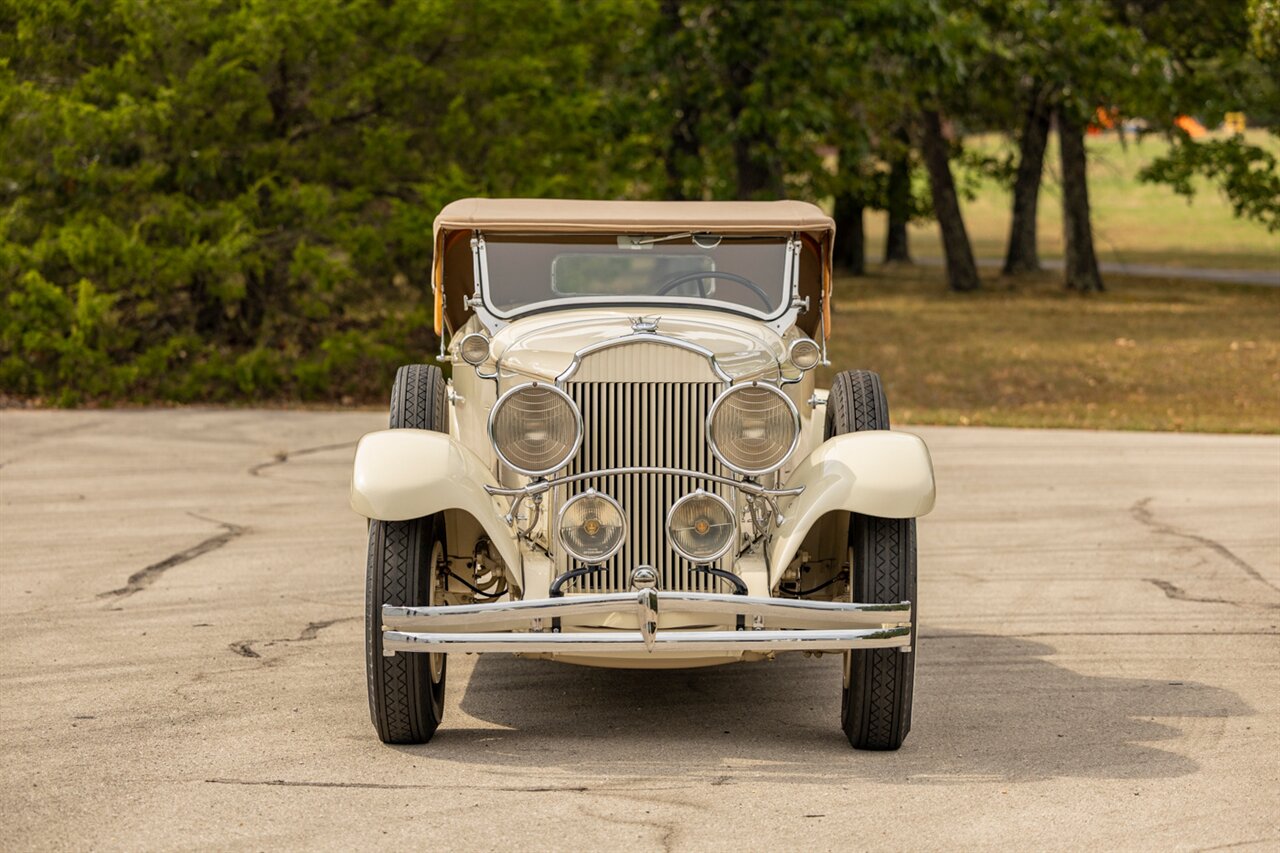
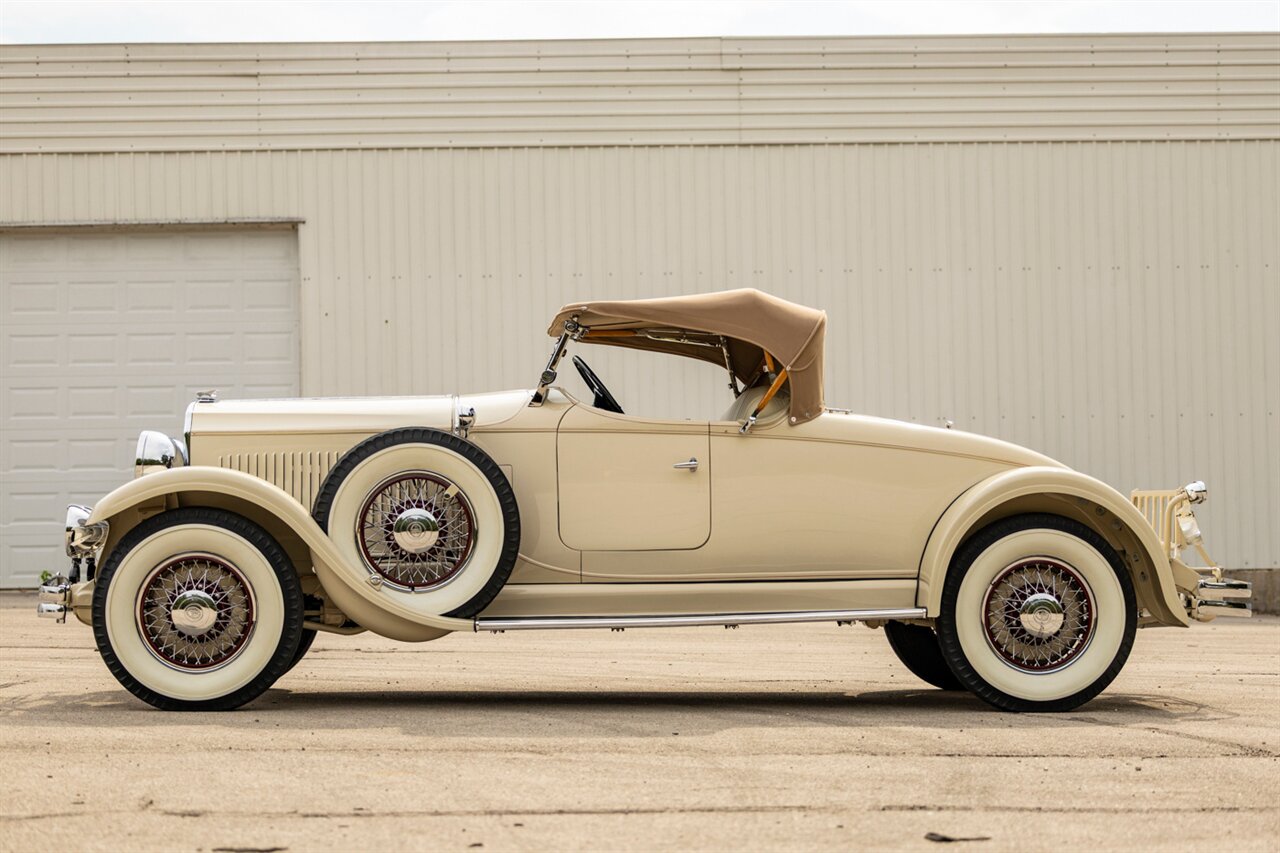
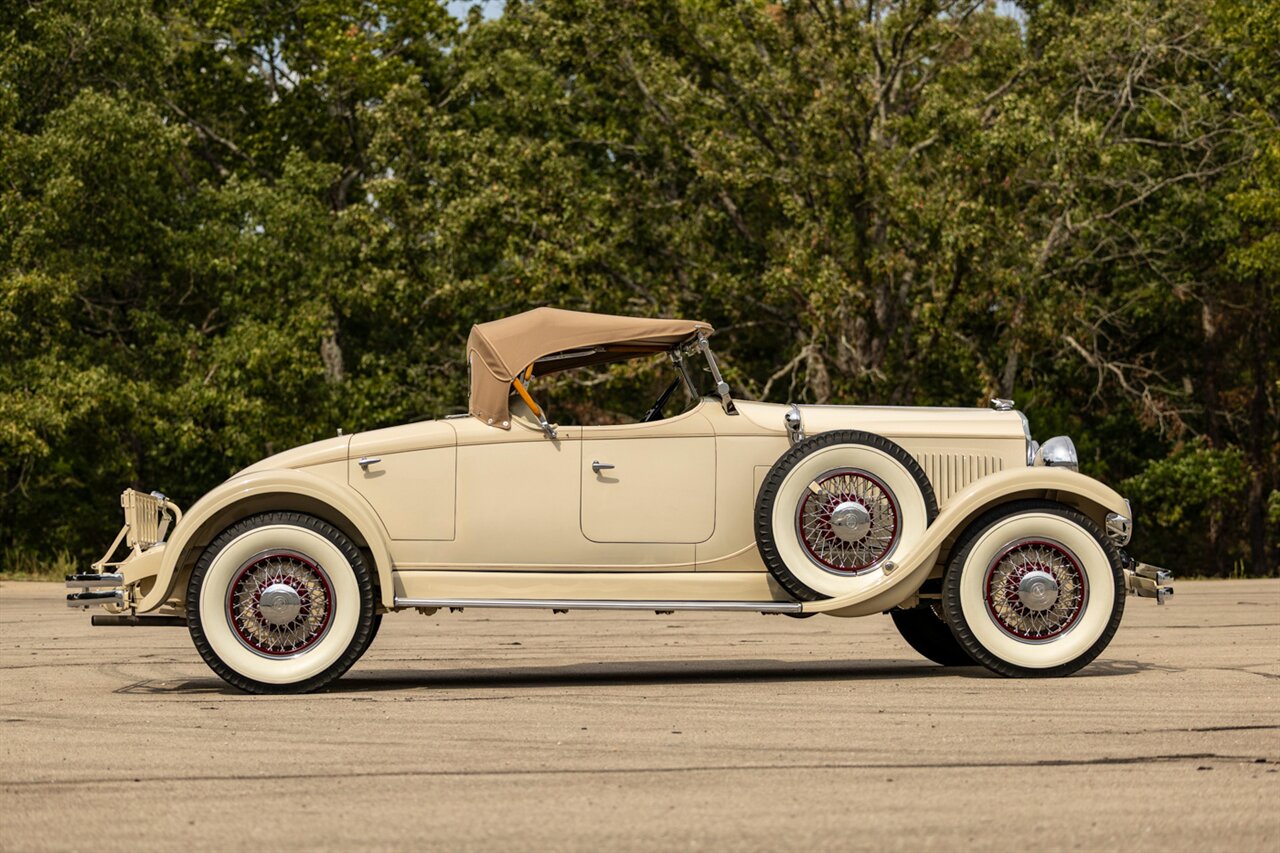
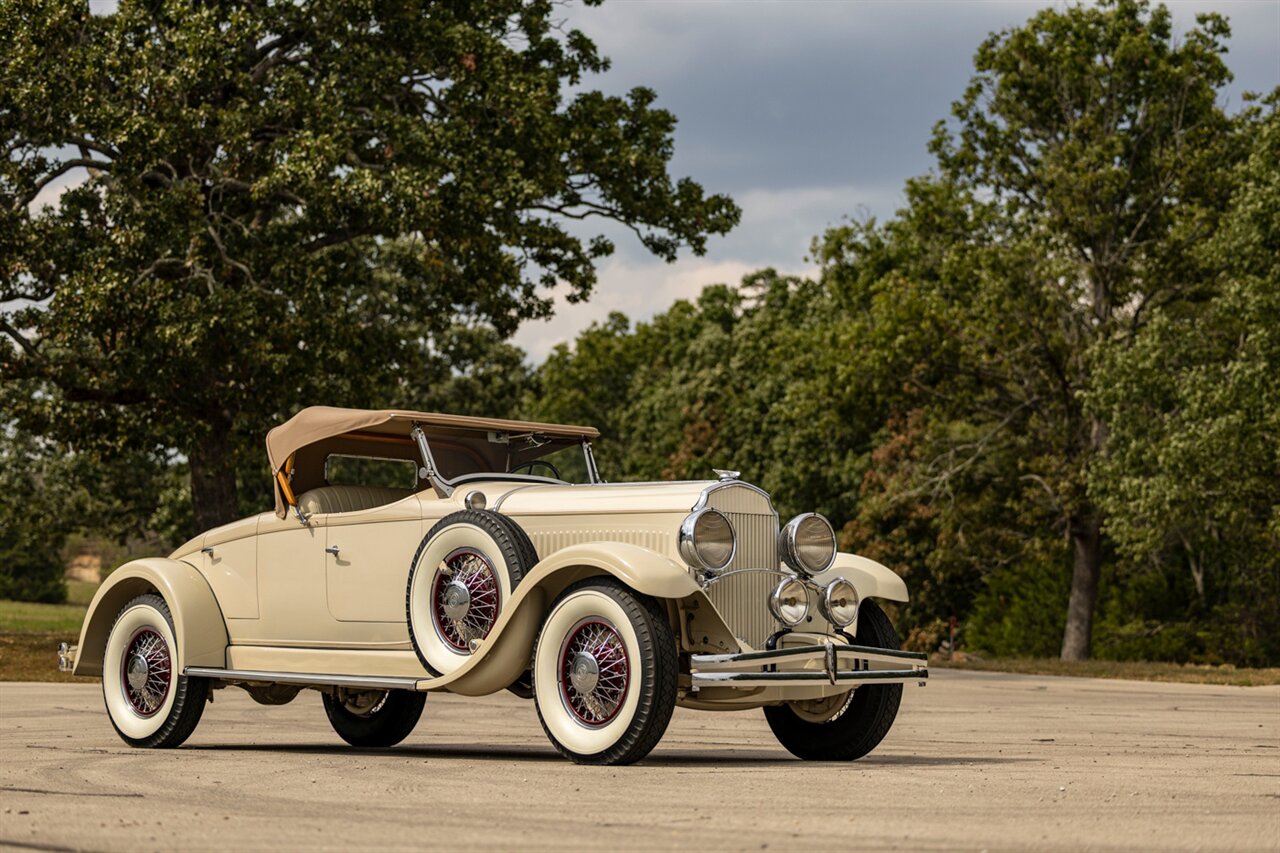
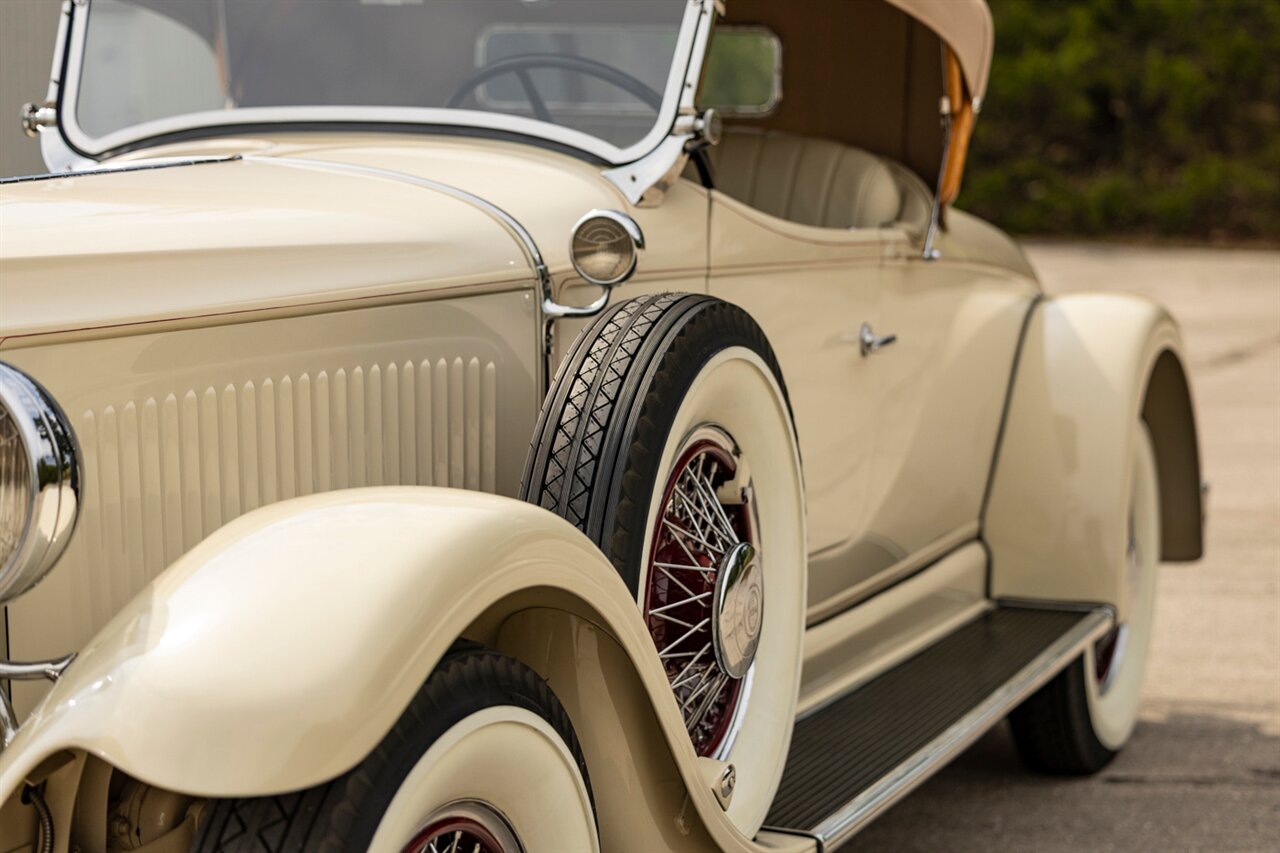
Among Locke's most distinctive creations was the Imperial 80-L Roadster, a sporting open body characterized by its long hood, sweeping fenders, low windshield, and elegantly proportioned rear deck. Its design combined the imposing presence of Chrysler's flagship chassis with the refined proportions and intricate details associated with the finest American coachbuilt automobiles of the period.
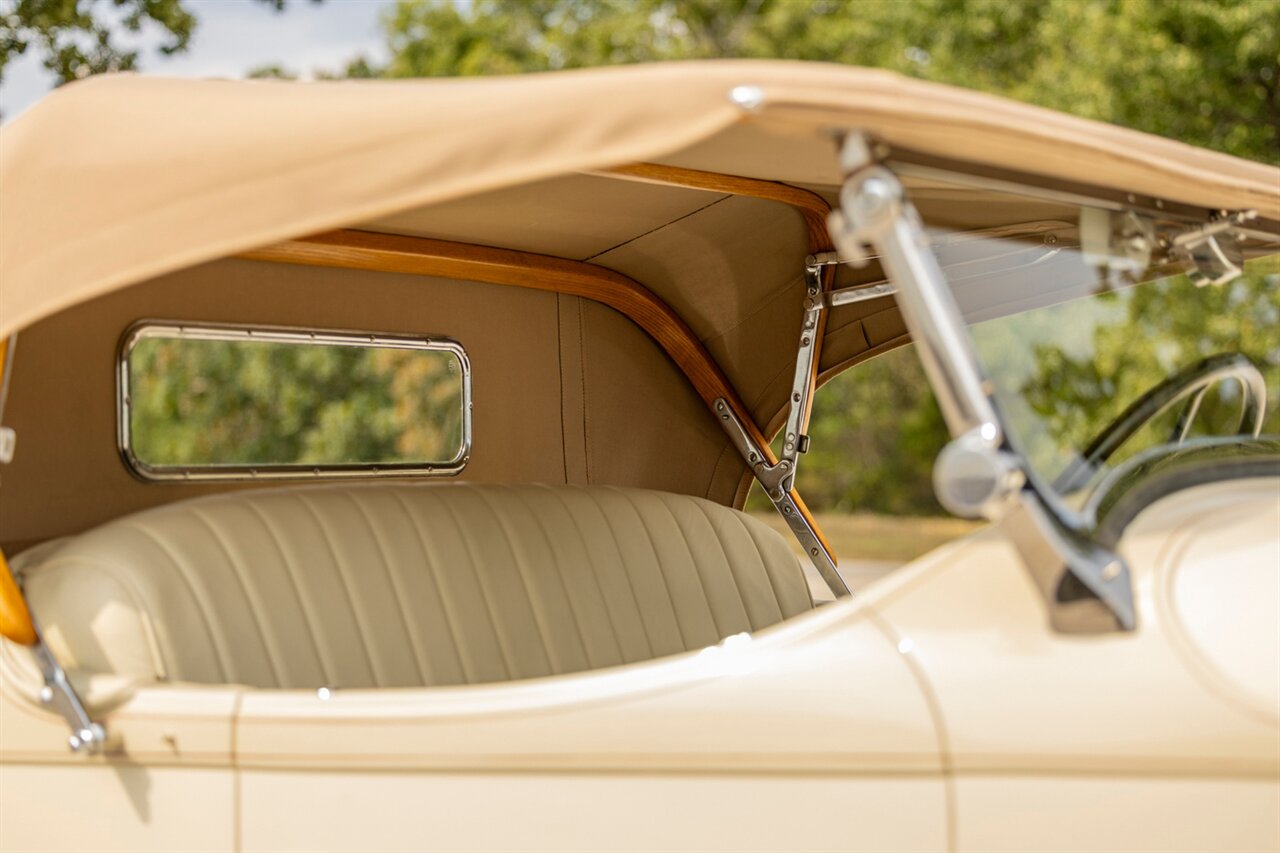
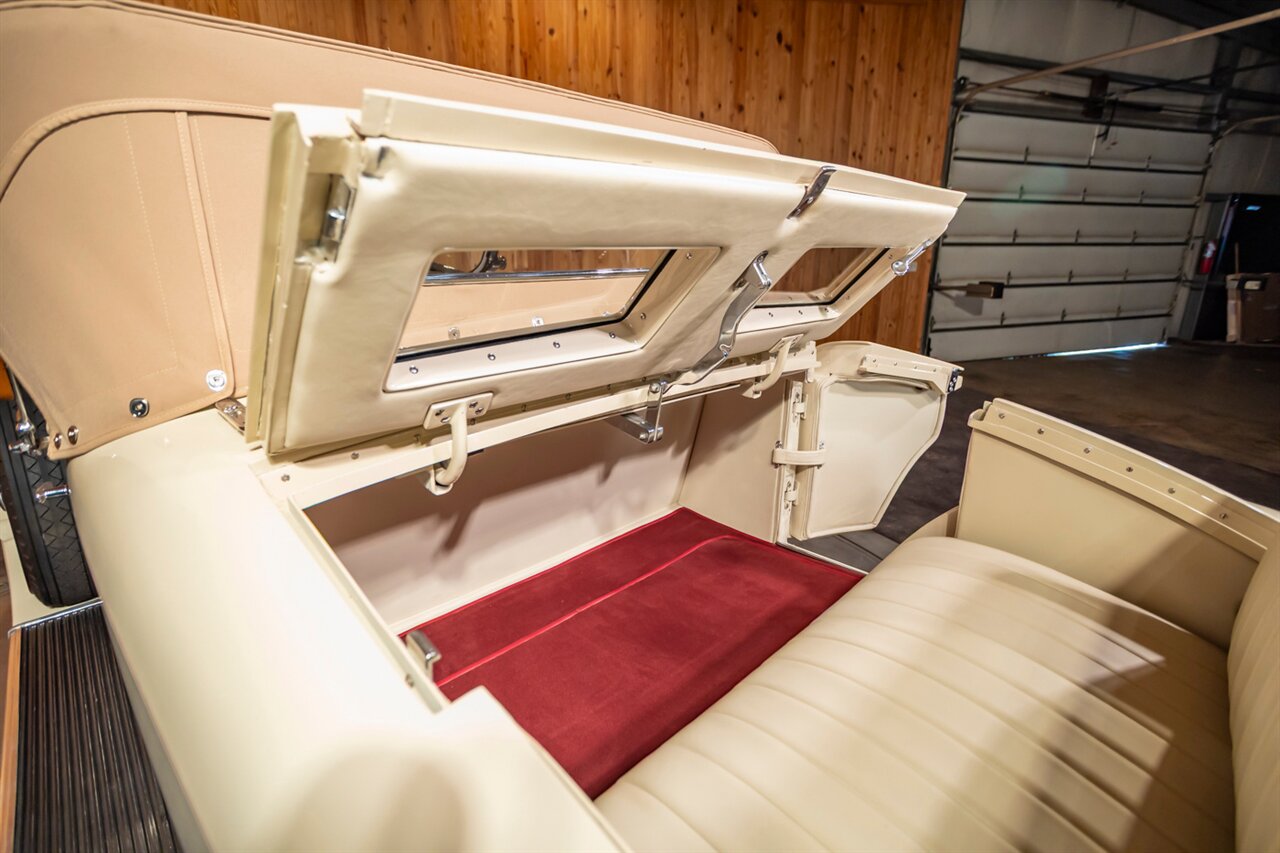
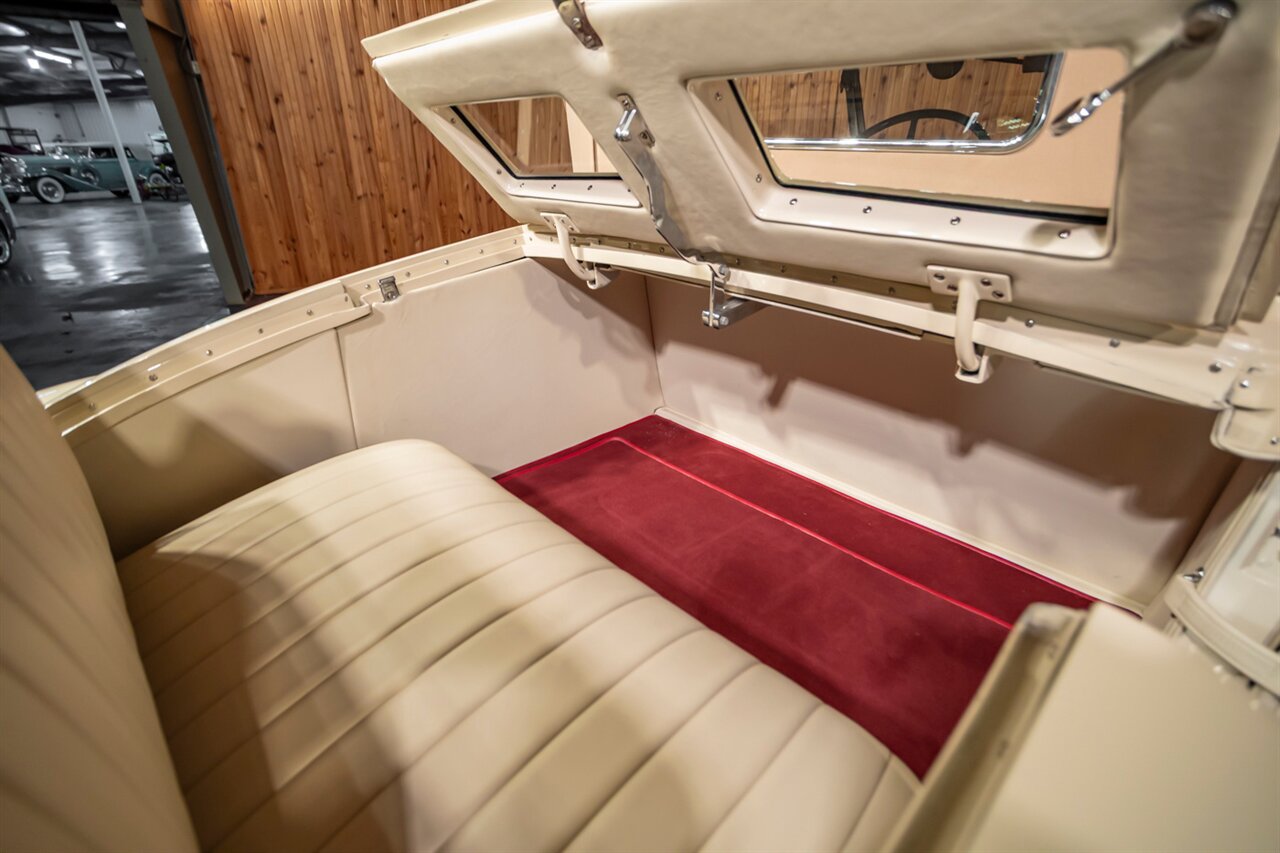
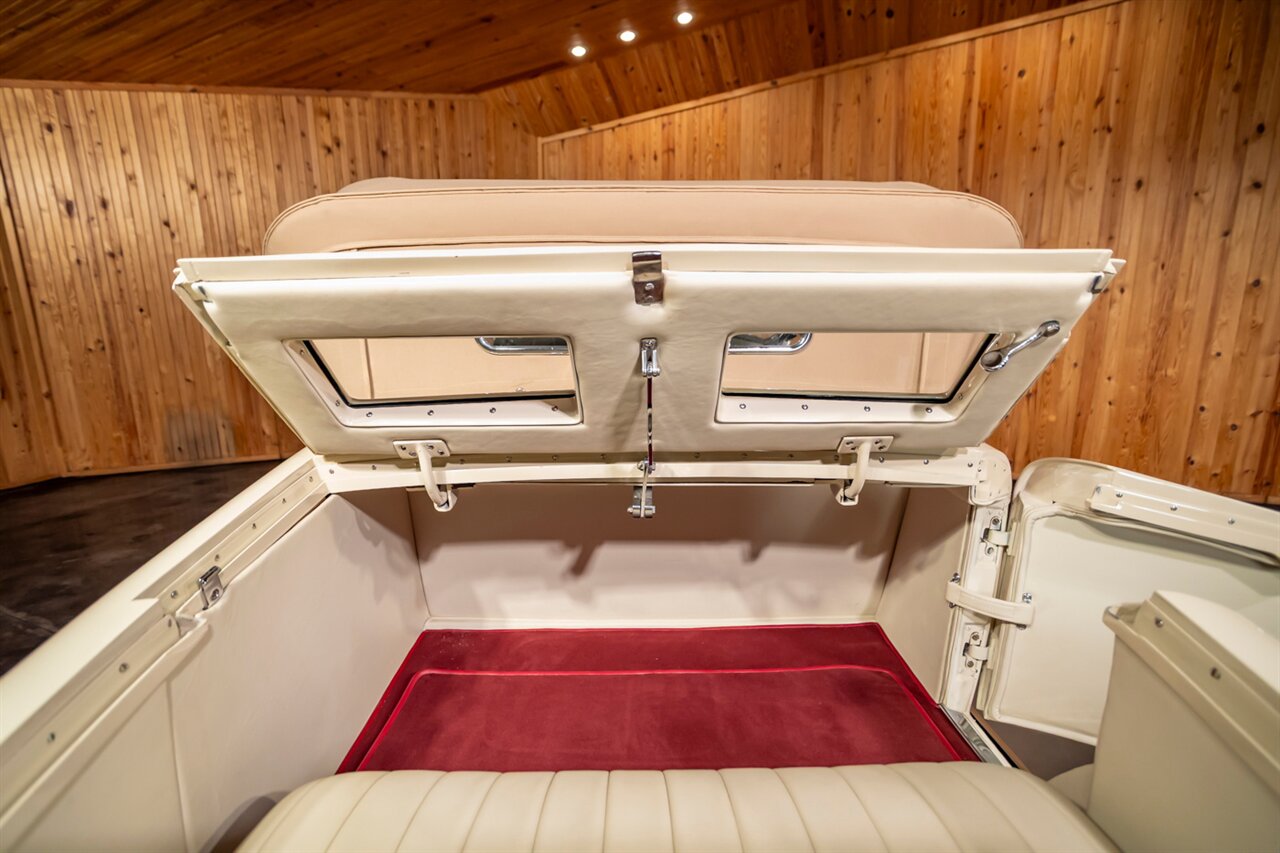
One of the most distinctive features of Locke's design is its side-entry rumble seat, accessed through a small third door incorporated into the passenger side of the body. The rear compartment also features an ingenious two-piece decklid arrangement, with one section opening to form the rumble seat and the other folding forward to create a separate windshield for rear passengers. This unusual configuration provided additional comfort and accessibility while preserving the elegant proportions of the roadster. The design was sufficiently distinctive to receive attention in contemporary publications, including a May 1929 issue of The New Yorker, which discussed the unusual rear compartment arrangement and the influence of European coachbuilding on the Locke-bodied Chrysler.
Period advertising further emphasized the roadster's unusual design and passenger accommodations. A 1929 Chrysler advertisement published in House & Garden highlighted the Locke-bodied Imperial Roadster and its distinctive rear passenger compartment, demonstrating the importance Chrysler placed on the model's custom coachwork and innovative features.
Historical accounts suggest that approximately 65 examples of the Imperial 80-L Locke Roadster were originally constructed, with only four believed to survive today. While exact factory production records for this particular body style have not been independently established, these figures have been cited in historical auction documentation and reflect the exceptional rarity of the design. The combination of limited production, distinctive coachwork, and the Imperial's position at the top of Chrysler's range makes the Locke-bodied Roadster one of the more unusual American luxury automobiles of the late 1920s.
This particular example was acquired by its current owner in April 2003, at which time it was finished in a Maroon and Silver exterior color combination. The automobile subsequently became part of a significant private collection, where it has remained for more than two decades.
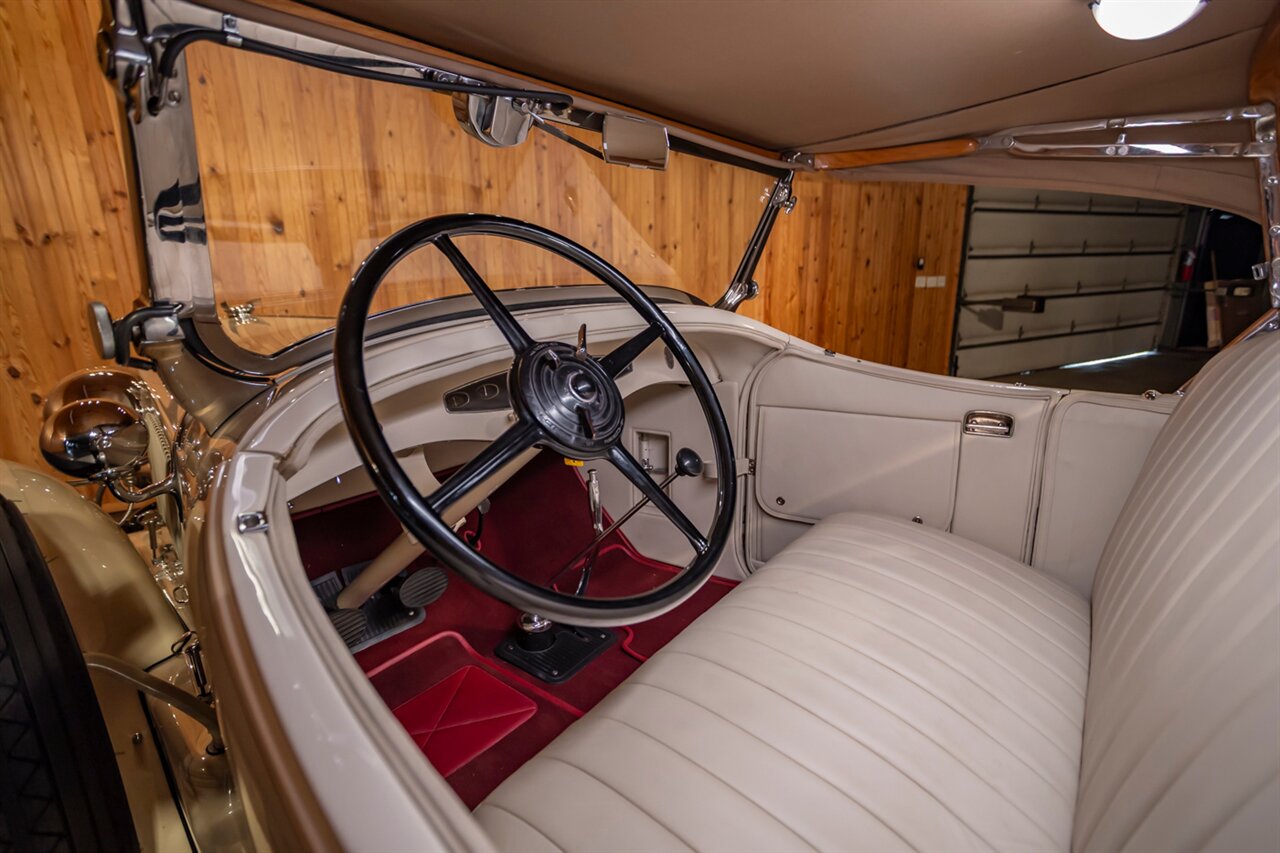
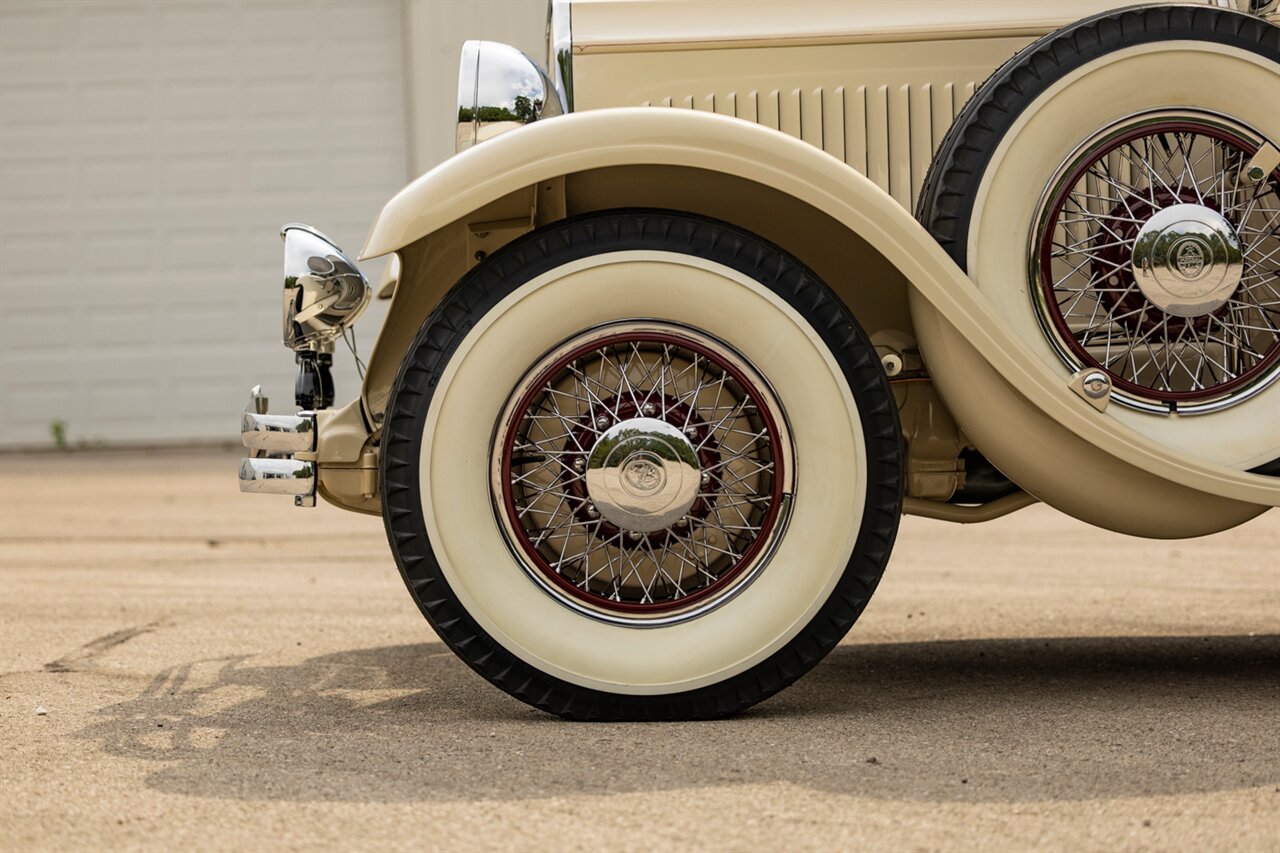
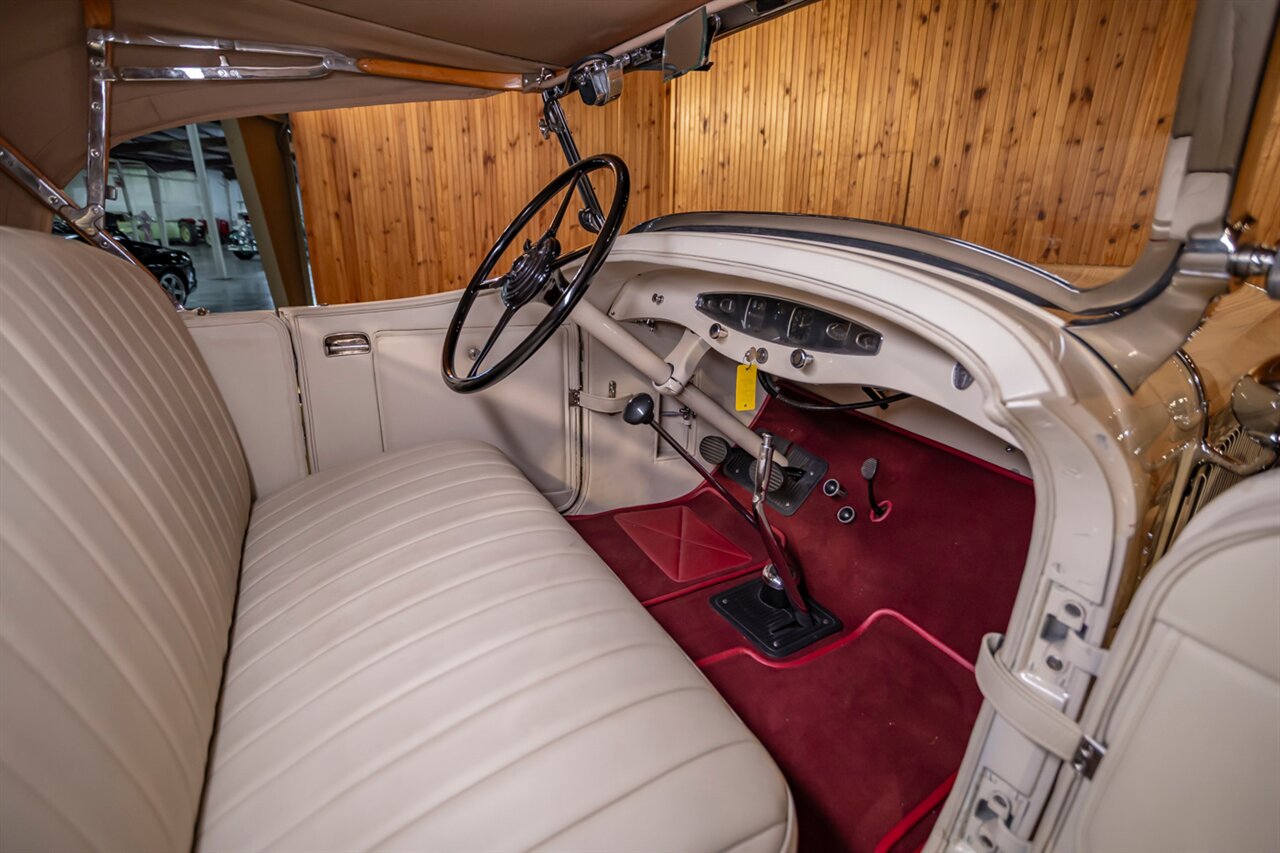
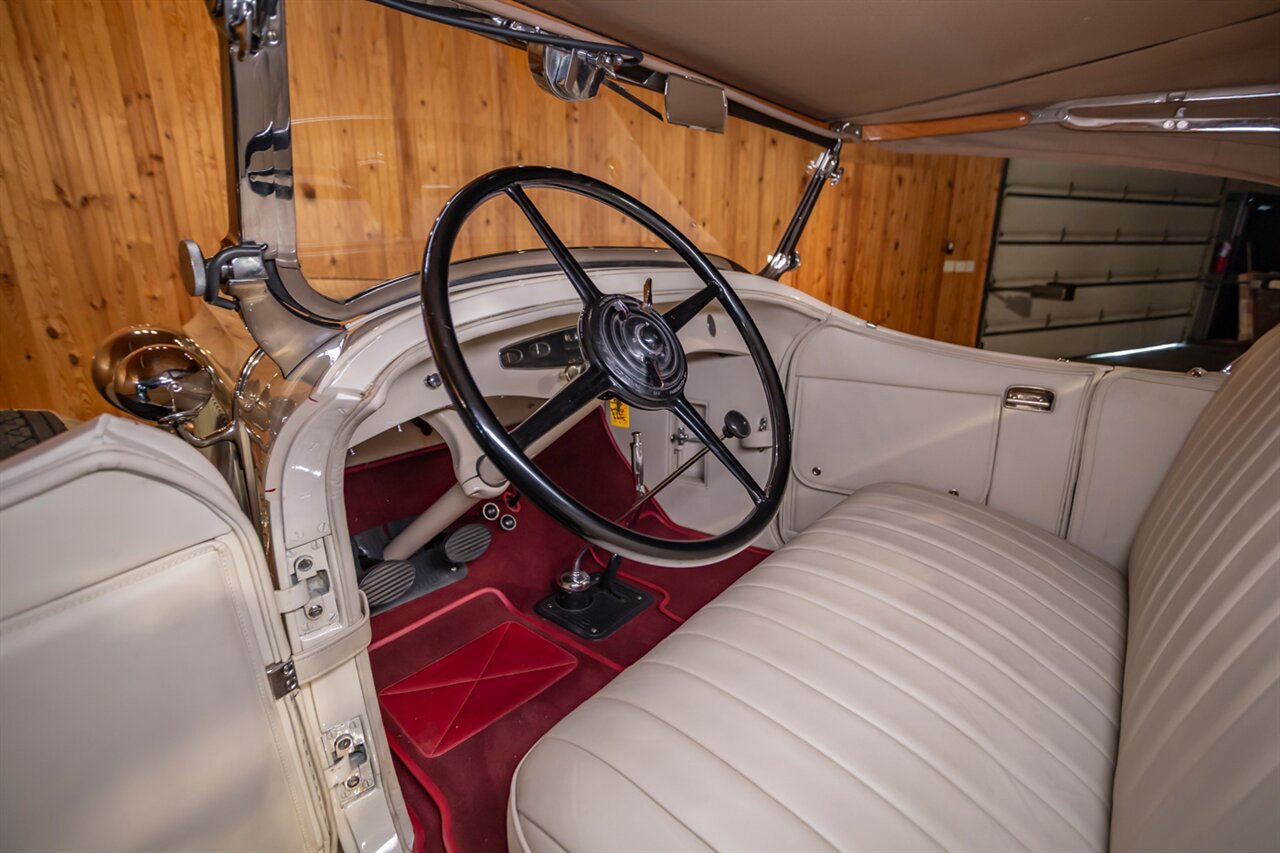
During the current owner's stewardship, this Chrysler underwent an extensive restoration carried out over approximately three years in his private restoration facility. Today, the automobile is finished in an elegant Cream exterior with Maroon accents, complemented by a Cream interior. The color combination highlights the flowing lines of the Locke coachwork, while its distinctive side-entry rumble seat and folding rear passenger windshield remain defining features of the design.
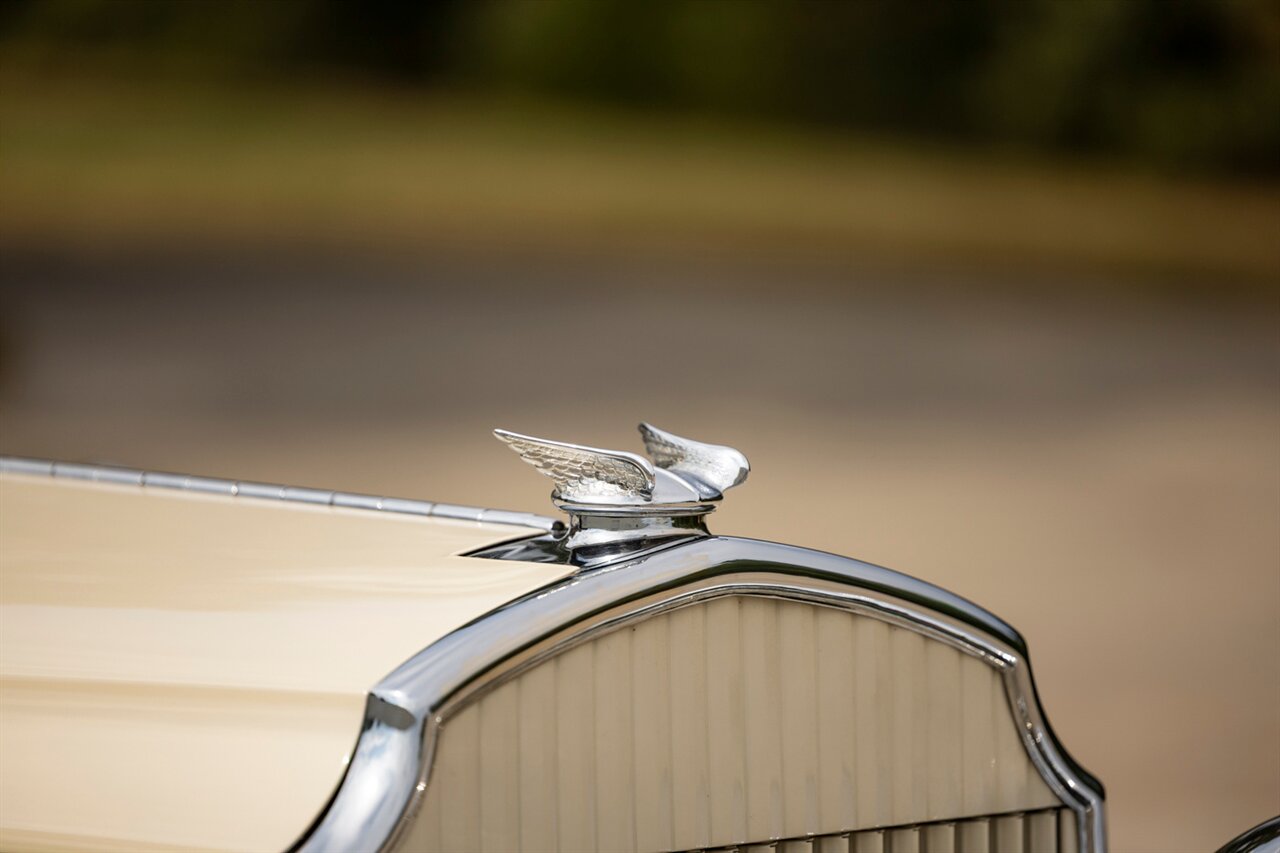
The restoration represents a significant chapter in the automobile's history, reflecting the attention devoted to preserving and presenting a rare example of American custom coachbuilding. The Chrysler's long hood, sweeping fenders, carefully proportioned passenger compartment, and intricate Locke body details remain central to its visual character, demonstrating the craftsmanship associated with the finest luxury automobiles of the period.
With its 309.3-cubic-inch six-cylinder engine, distinctive Locke coachwork, and extensive restoration completed under long-term private ownership, this Chrysler represents an important example of the American luxury automobile at the height of the custom coachbuilding era. Its ownership history dating back to April 2003 adds another chapter to the story of this exceptionally rare roadster.
As one of just four surviving examples believed to exist, this 1929 Chrysler Imperial 80-L Roadster by Locke represents an exceptional example of Chrysler's prewar luxury automobiles. Combining the engineering achievements of the Imperial 80-L chassis with the craftsmanship and individuality of Locke's custom coachwork, this automobile captures the elegance, innovation, and exclusivity that defined American luxury motoring during the late 1920s.
Additional Photos
click on a thumbnail to view full-size photos
Contact Information
Vehicle Features & Options
Vehicle Condition & History
.
Shipping Information

We recommend ShipMyVehicle.com for vehicle shipping.
Dealership Information
Contact Us
Name:
Main Phone:
Alt. Phone:
Email:
Business Hours
| Mon: | 9-5 |
|---|---|
| Tue: | 9-5 |
| Wed: | 9-5 |
| Thu: | 9-5 |
| Fri: | 9-5 |
| Sat: | By Appointment |
| Sun: | Closed |
Location
2841 E Industrial Dr
Springfield, MO 65802
Springfield, MO 65802
