
1968 Maserati Ghibli Spyder Prototype 2-Door Convertible
Exterior Color:
Giallo
Interior Color:
Testa di Moro
Stock Number:
C6697
Mileage:
Exempt - 42,196
Fuel:
Gasoline
Transmission:
5-Speed
Title:
Clear
VIN:
AM115S1001
Please Call for Our Price
417-831-9999
417-831-9999

Vehicle Description
Chassis No. AM115/S 1001 | 67,908 Kilometers Indicated | Giallo / Testa di Moro
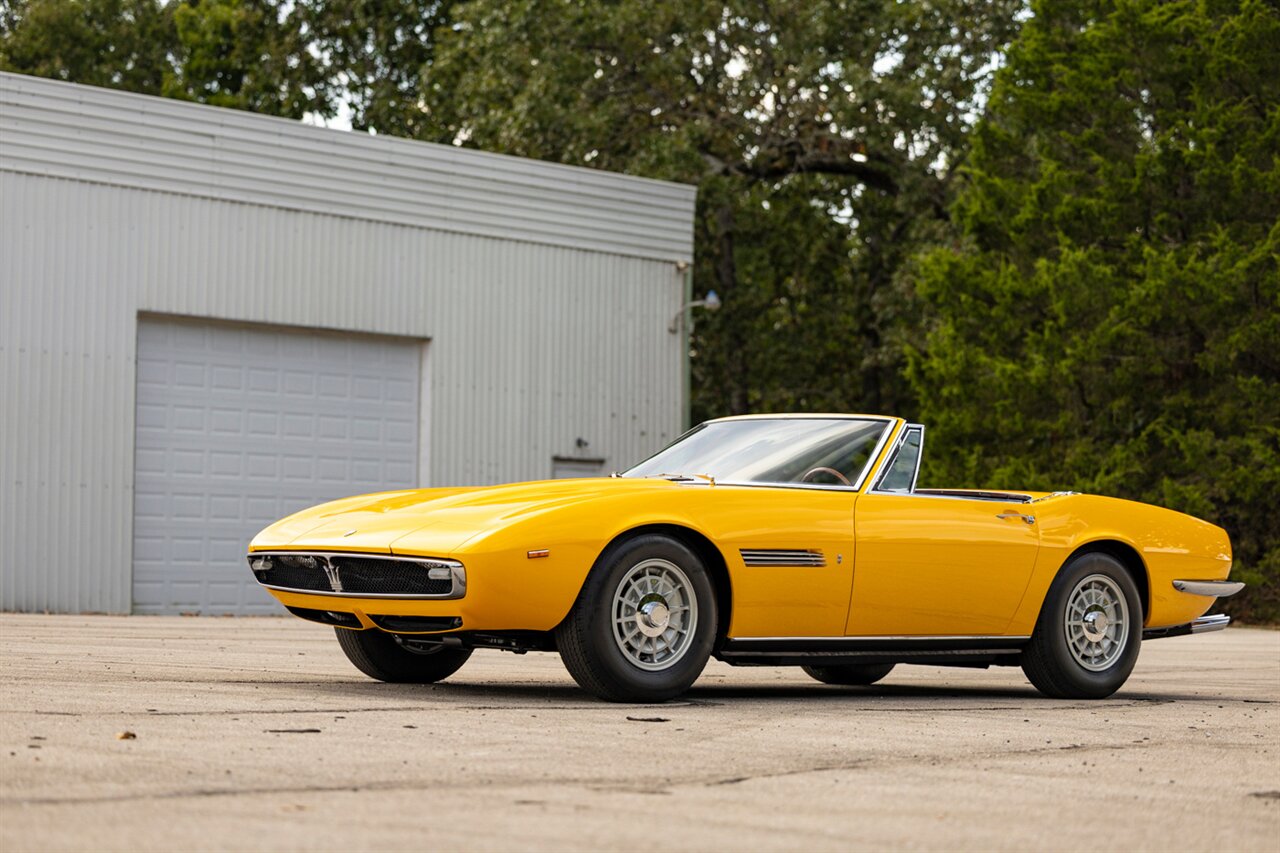
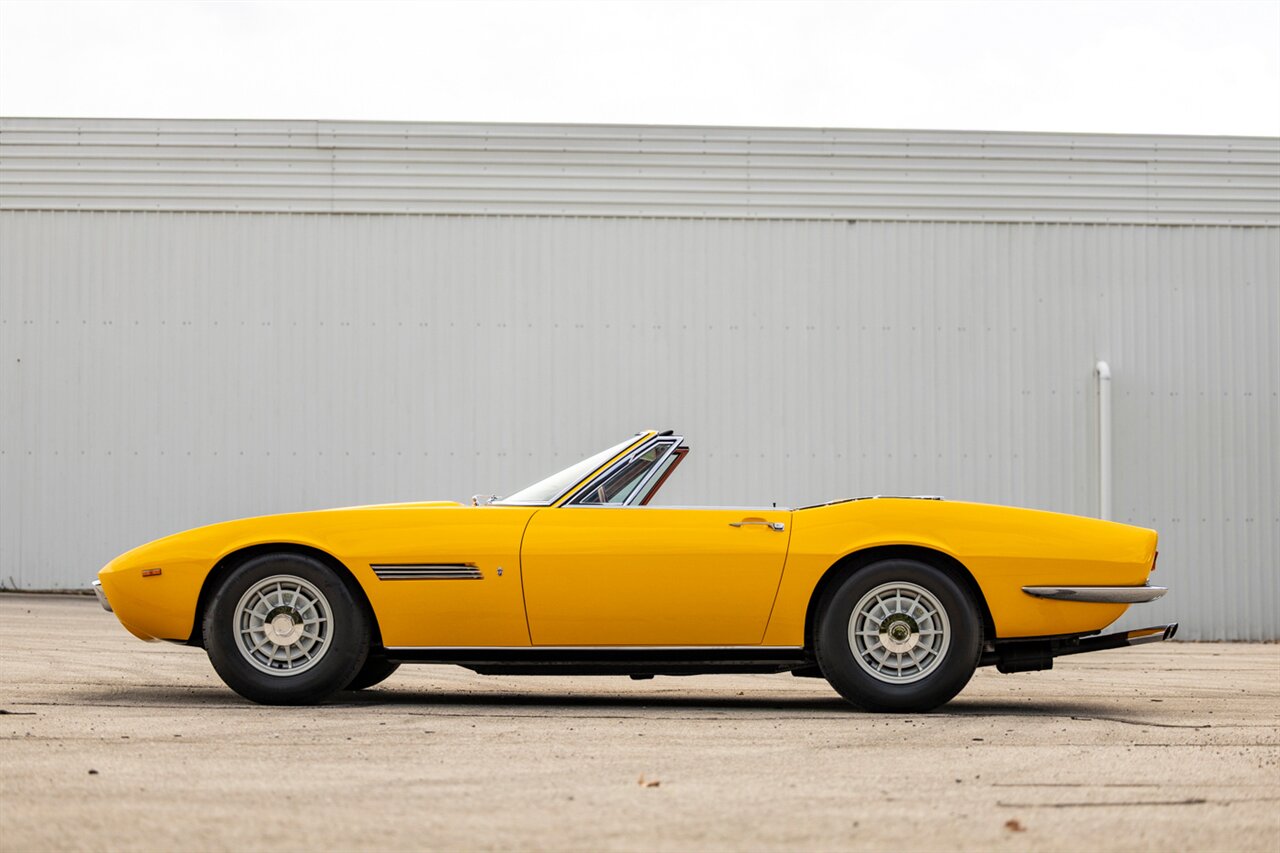
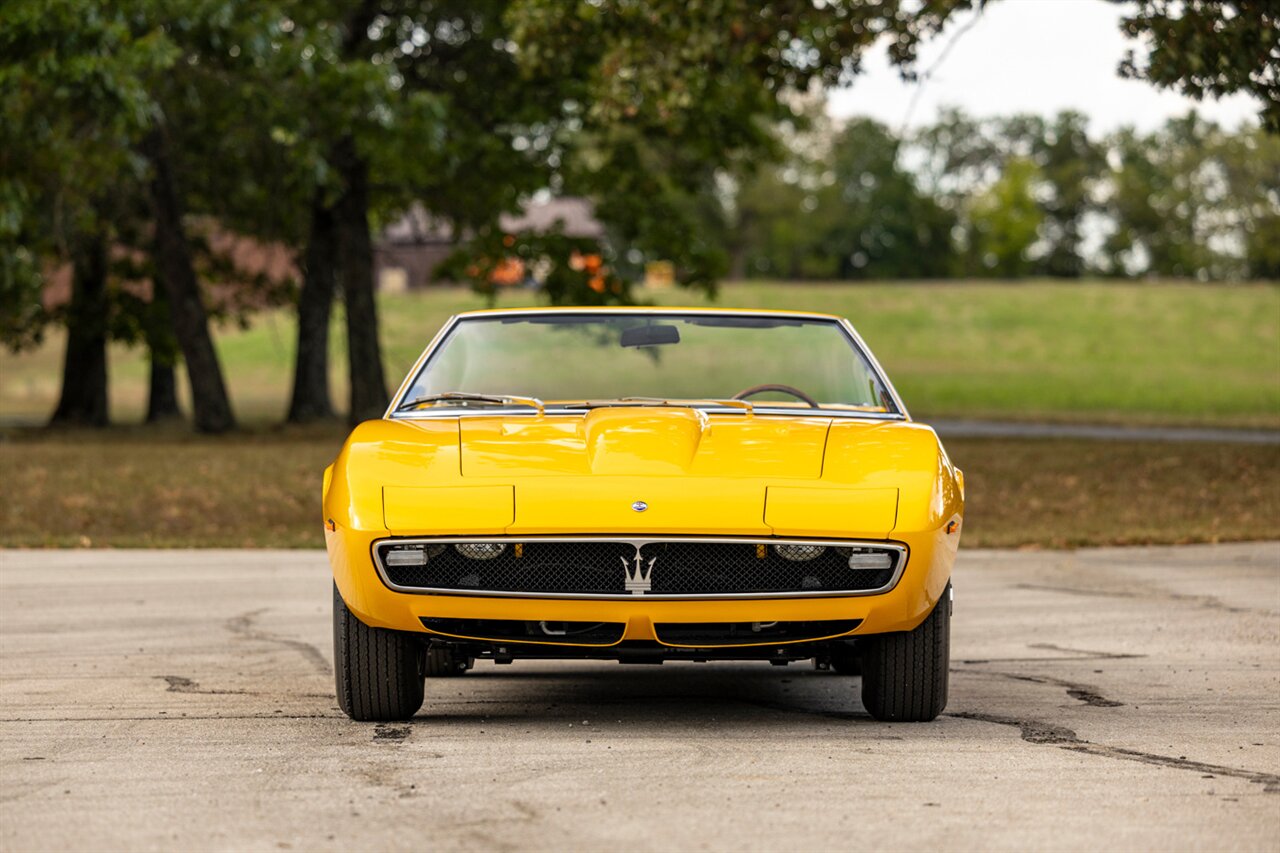
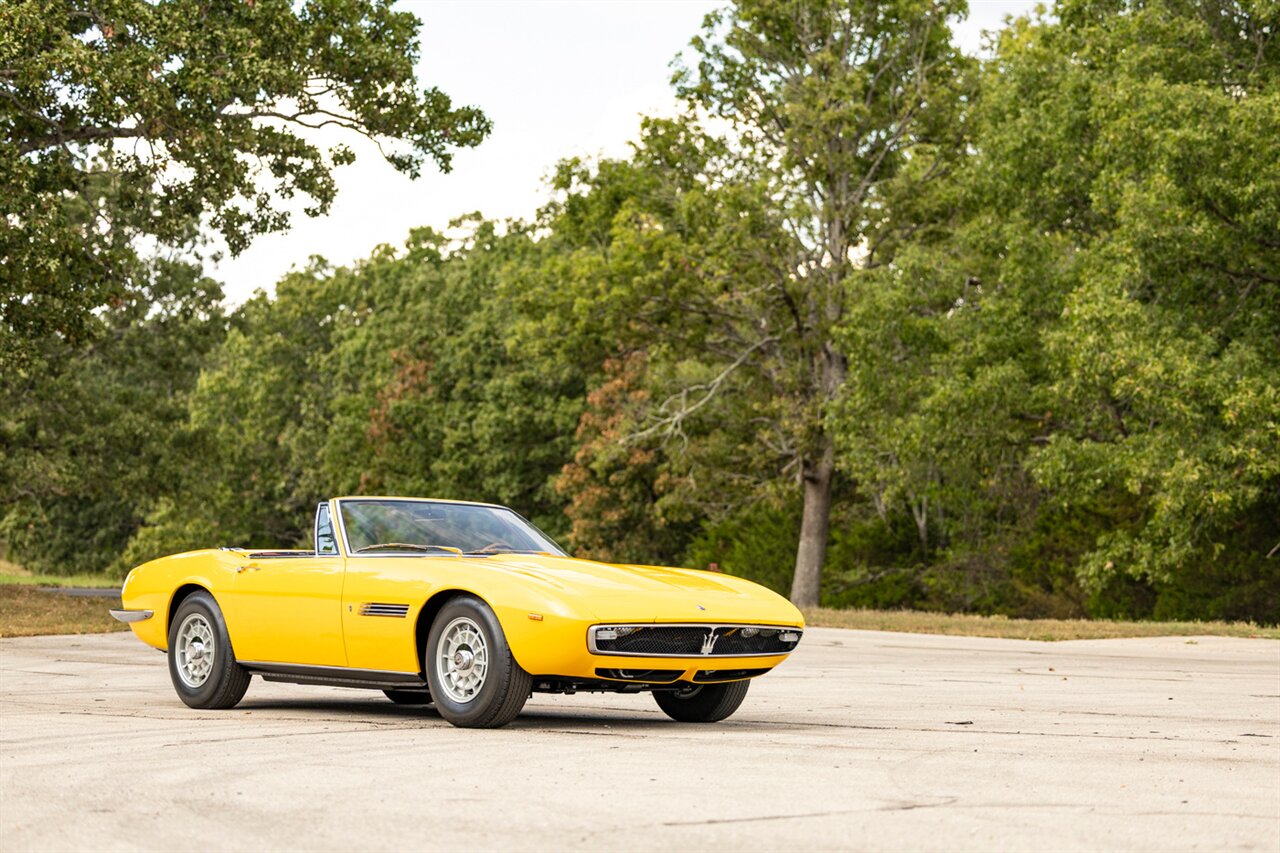
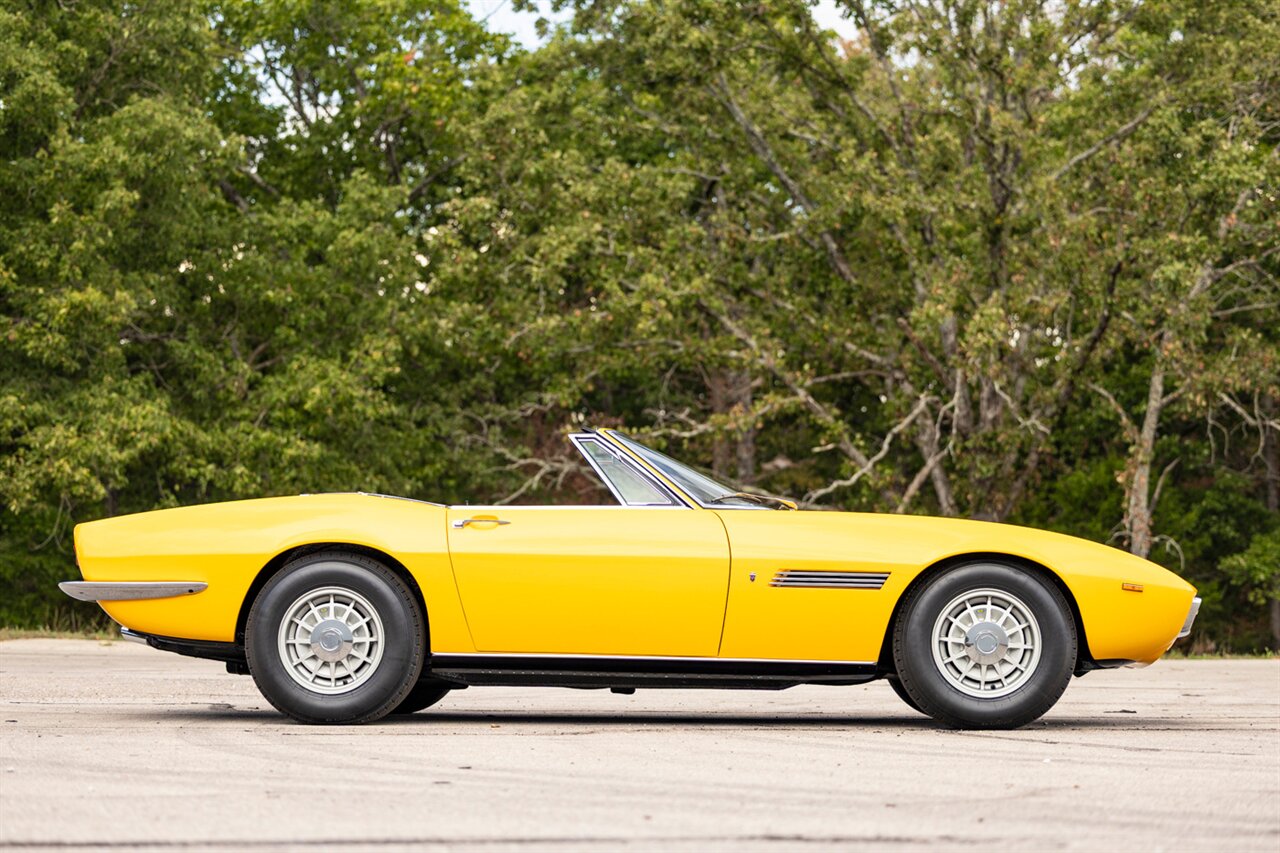
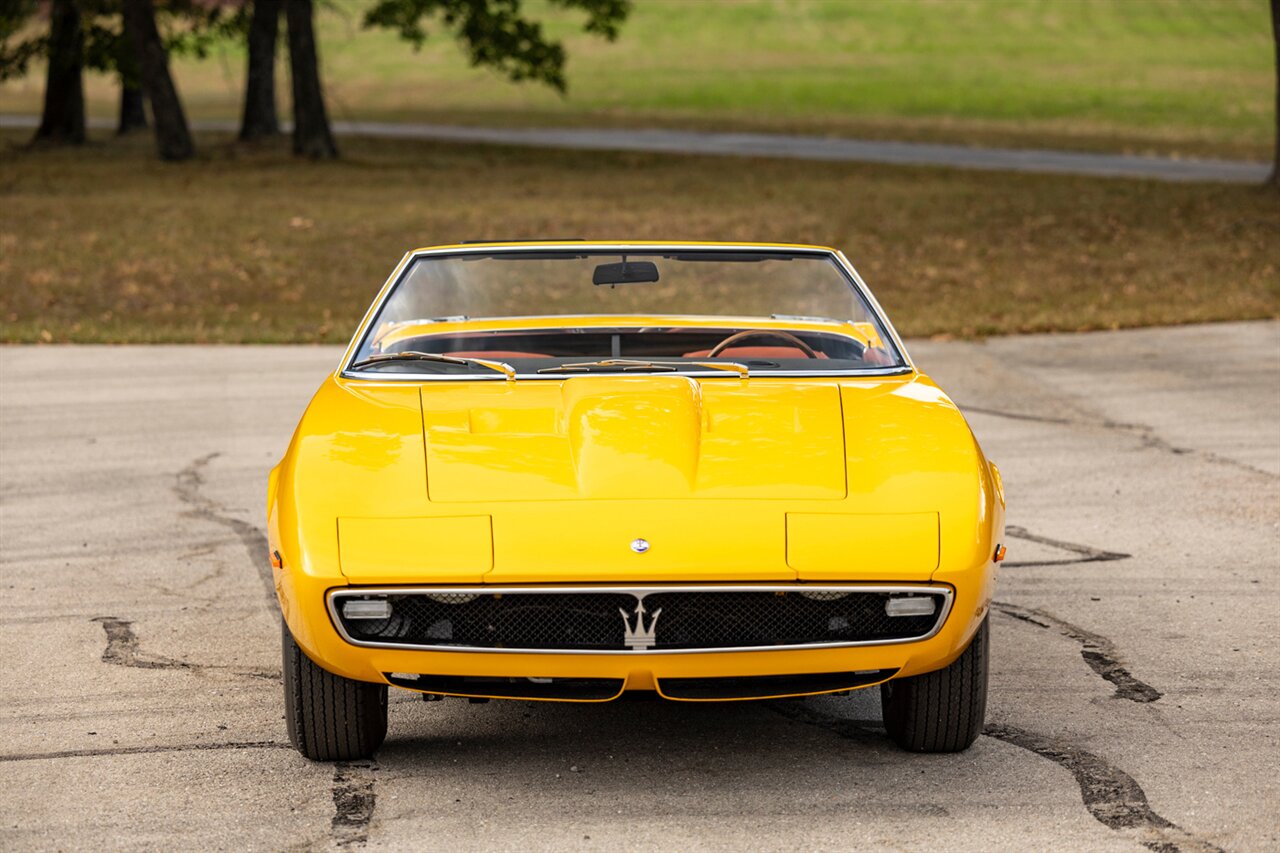
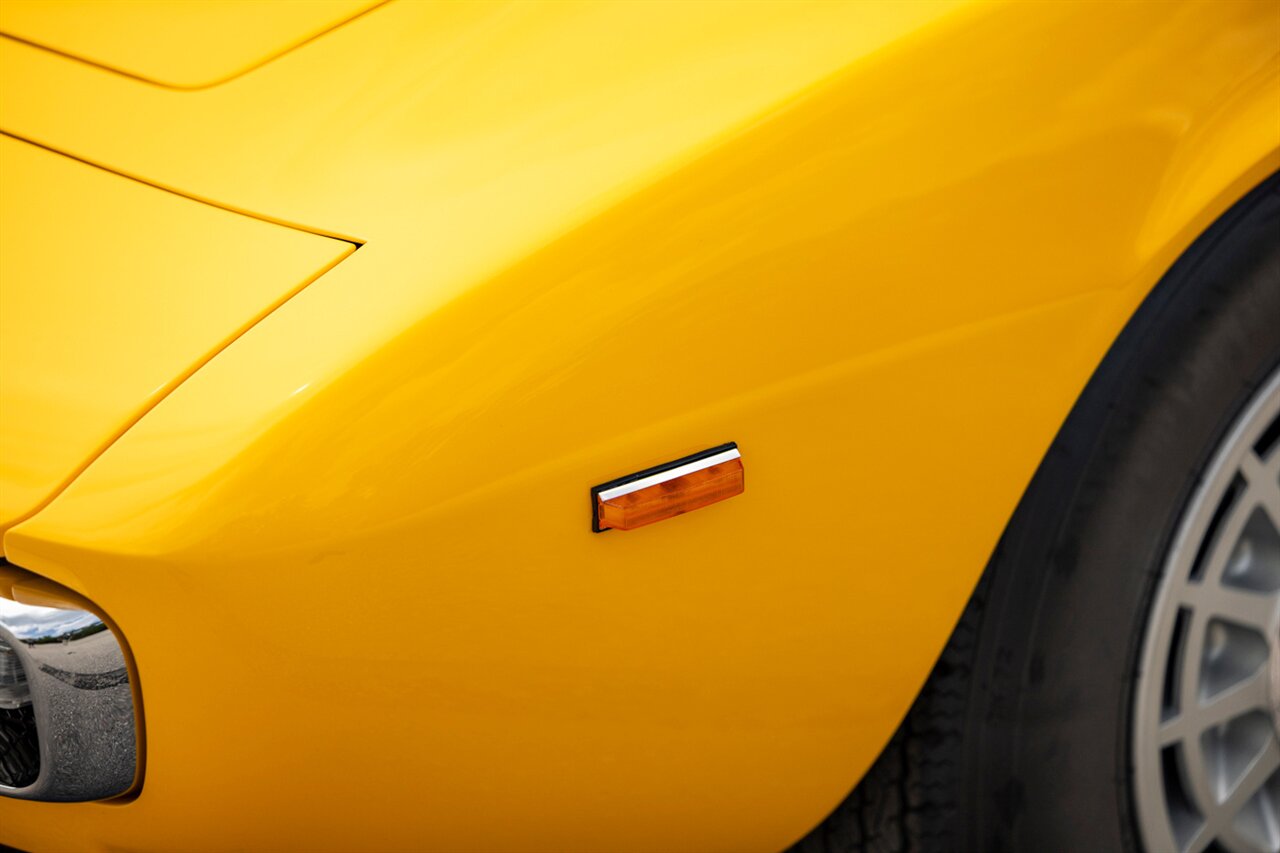
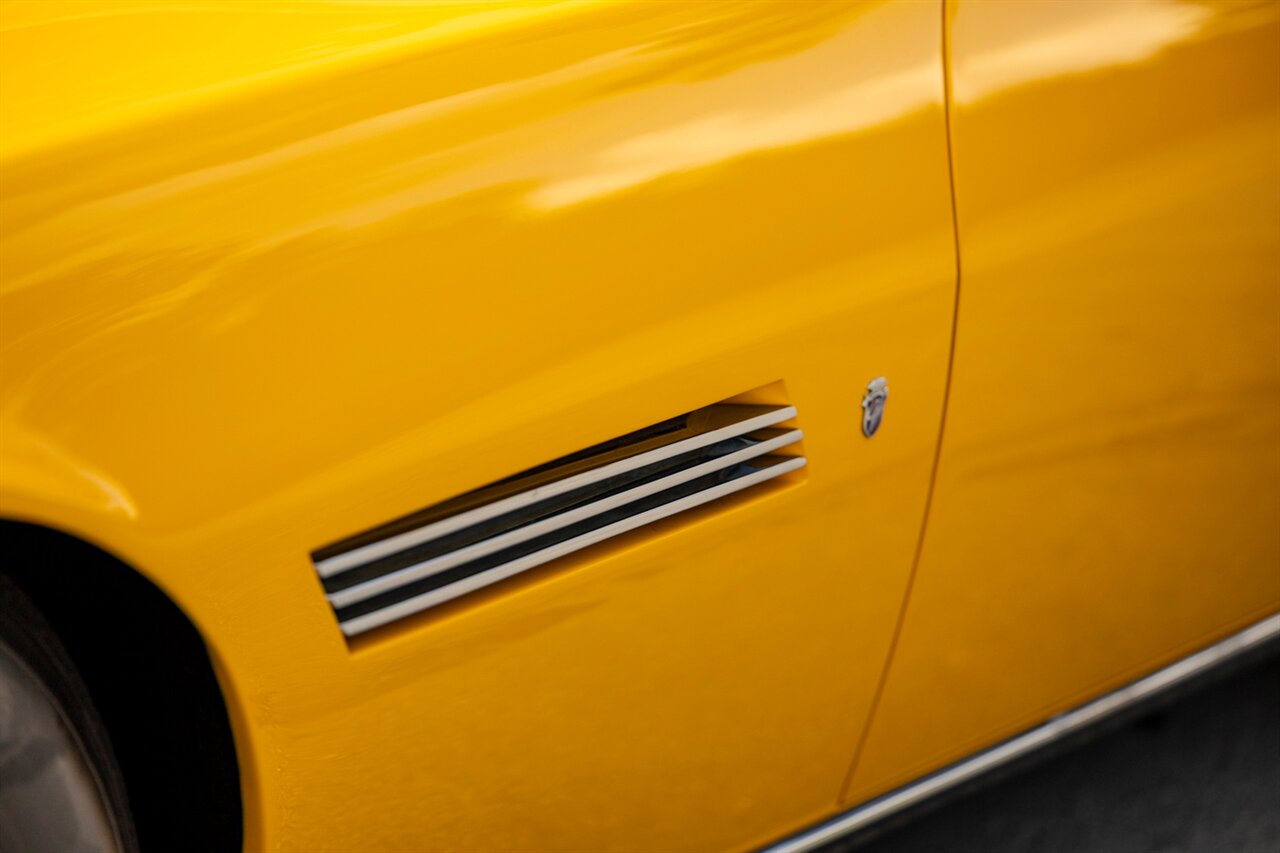
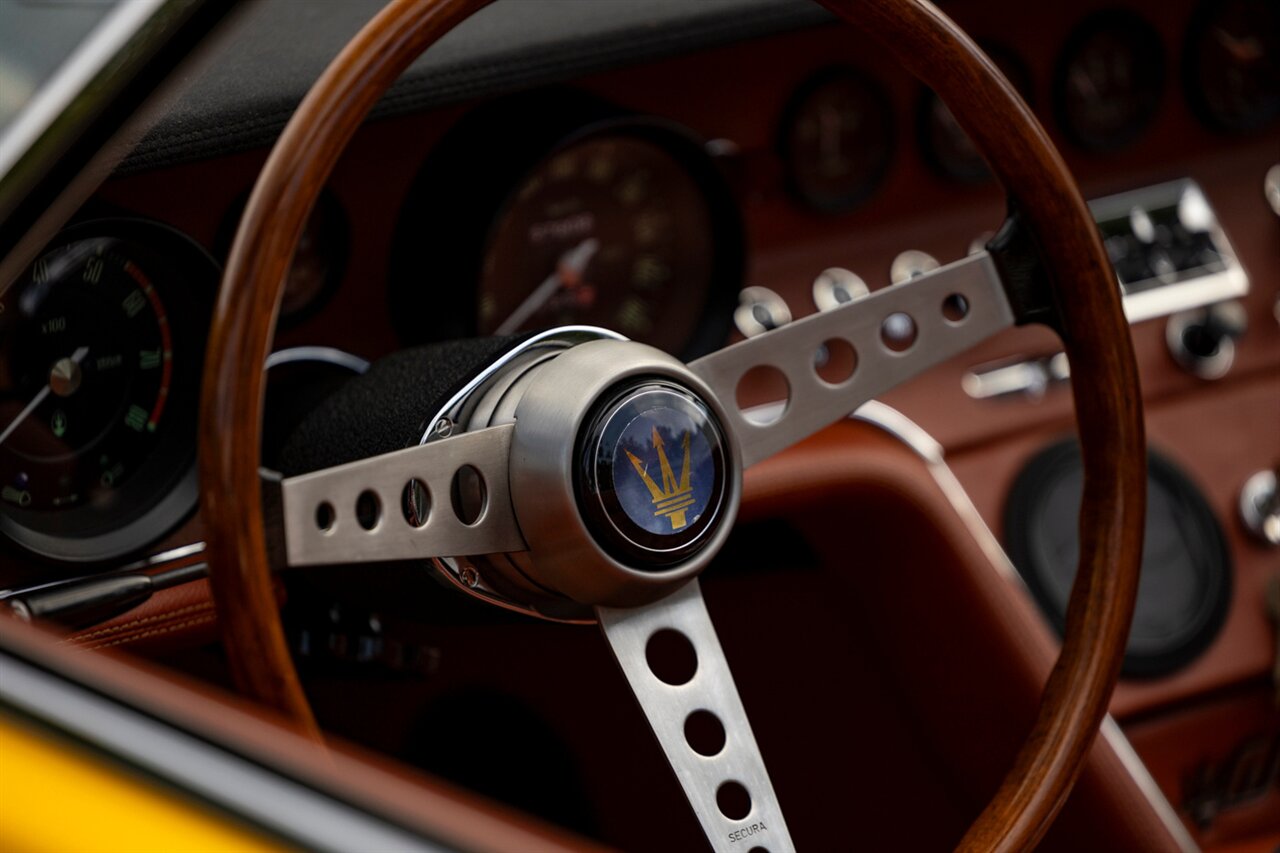
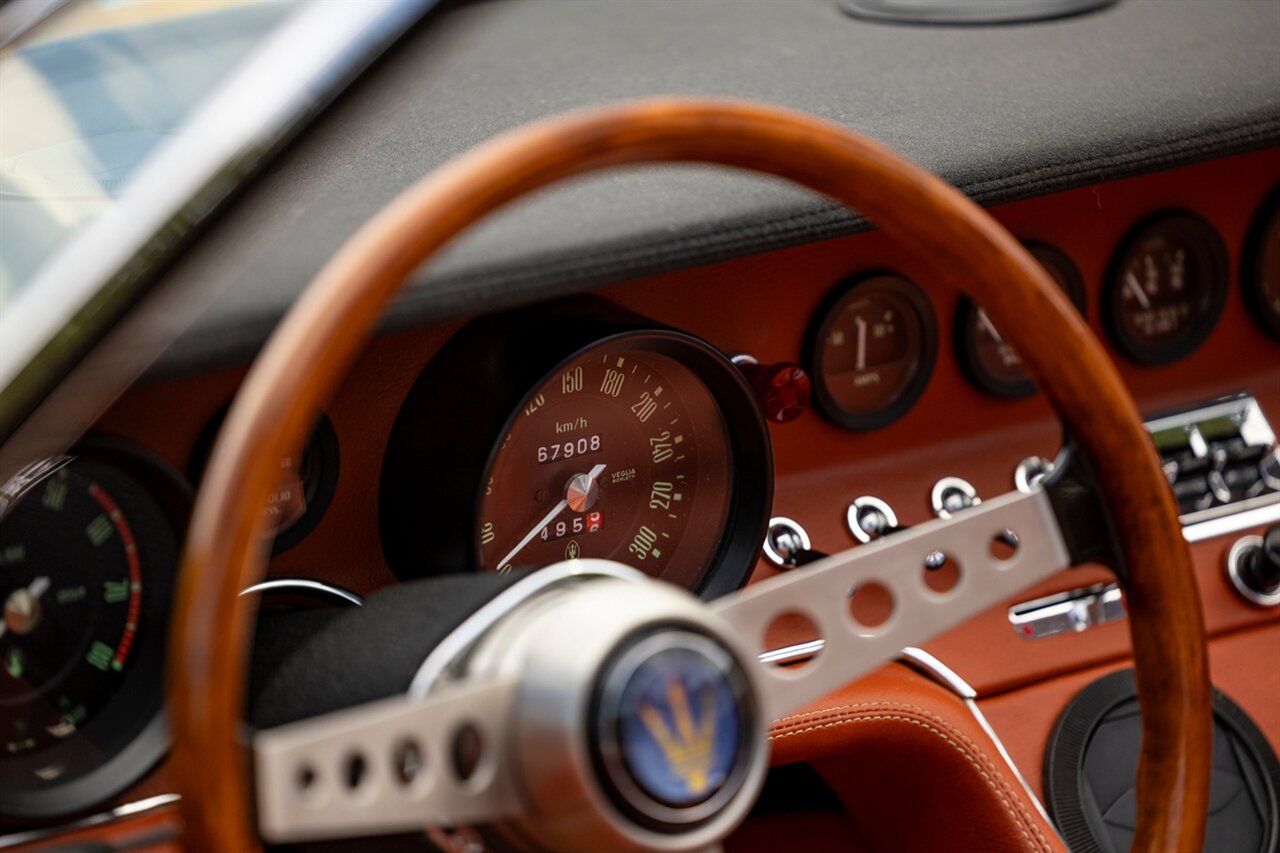
This is our 1968 Maserati Ghibli Spyder Prototype by Ghia, finished in Giallo over Testa di Moro (Dark Brown) leather and showing 67,908 kilometers (approximately 42,196 miles) on the odometer. Bearing chassis number AM115/S 1001, this one-of-one prototype is recognized by Maserati Classiche as the first Ghibli Spyder produced and was unveiled on the Ghia stand at the 1968 Turin Motor Show. Subsequently retained by Maserati for development of the production Ghibli Spyder, this historically significant automobile features several unique prototype-specific details not found on later production cars. Its history includes an appearance at the 1969 Geneva Motor Show, period coverage in Road & Track, and a comprehensive restoration completed by RM Auto Restoration in August 2018, reportedly costing more than $422,000. Acquired by its current owner in 2022, this Maserati represents an important chapter in the history of Italian automotive design.
Introduced in coupe form at the 1966 Turin Motor Show, the Maserati Ghibli represented a dramatic new direction in Italian grand touring design. Penned by Giorgetto Giugiaro during his tenure at Ghia, the Ghibli featured an exceptionally low hood, sharply defined body lines, and a sweeping fastback profile that distinguished it from its contemporaries. Beneath its striking coachwork was Maserati's powerful 4.7-liter V8 engine, combining substantial performance with the refinement expected of an Italian grand touring automobile. The model quickly established itself as one of the most recognizable designs of the 1960s, competing directly with contemporary offerings from Ferrari and Lamborghini.
Two years after the introduction of the coupe, Maserati unveiled the open-top Ghibli Spyder at the 1968 Turin Motor Show. The prototype displayed on the Ghia stand was none other than chassis AM115/S 1001, the first example constructed and the automobile from which the subsequent production Spyders would be developed. Finished in its distinctive Giallo exterior over Testa di Moro leather, the prototype attracted considerable attention for its ability to retain the elegant proportions of the original coupe while introducing the unmistakable appeal of open-air motoring. Its significance was further documented in the February 1969 issue of Road & Track, which featured a photograph of this very Maserati in its coverage of the Turin Motor Show.
Period accounts also document the prototype's appearance at the 1969 Geneva Motor Show, further establishing its role in introducing the open-top Ghibli to an international audience. During this period, the automobile was photographed for Ghia's promotional material near the Fontana dei Dodici Mesi in Turin's Parco del Valentino, providing an additional historical connection between this specific chassis and the original presentation of the Ghibli Spyder.
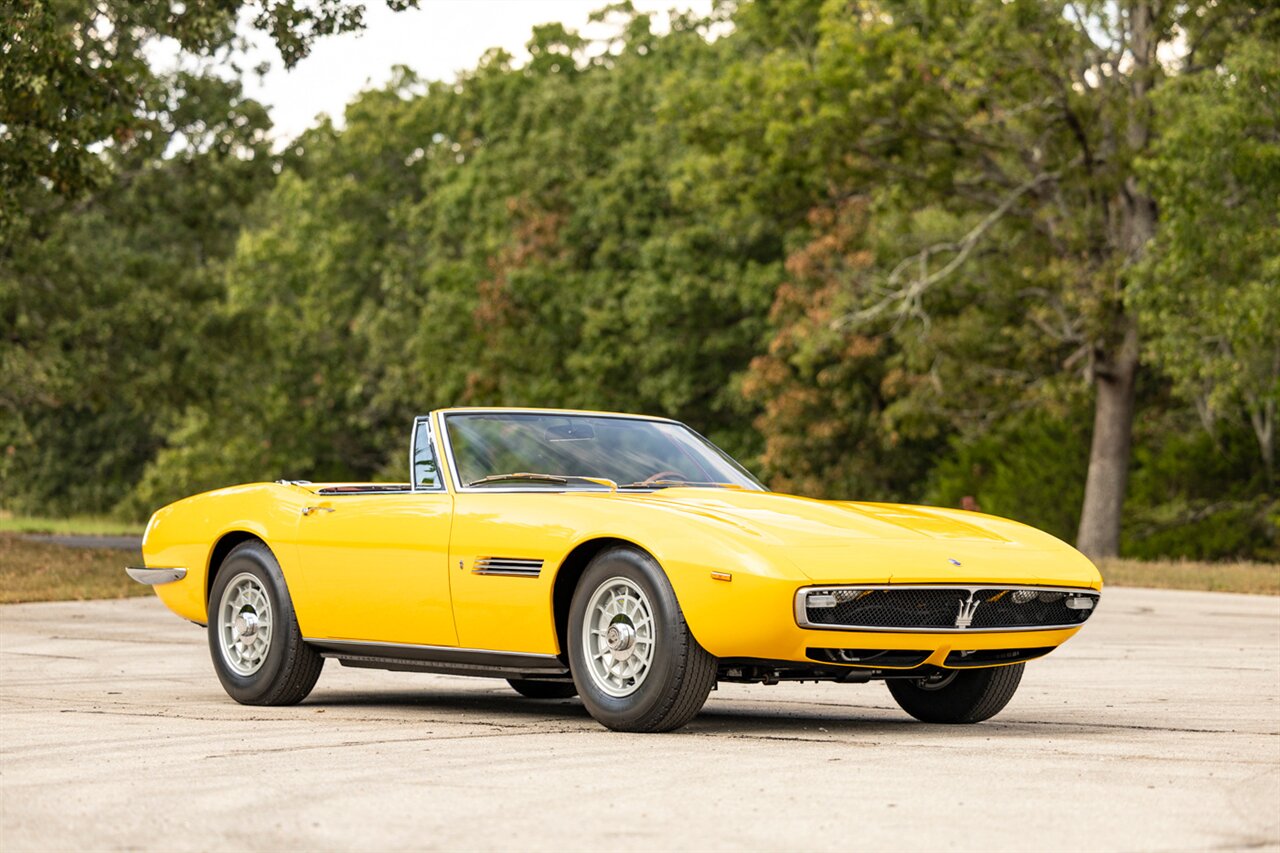
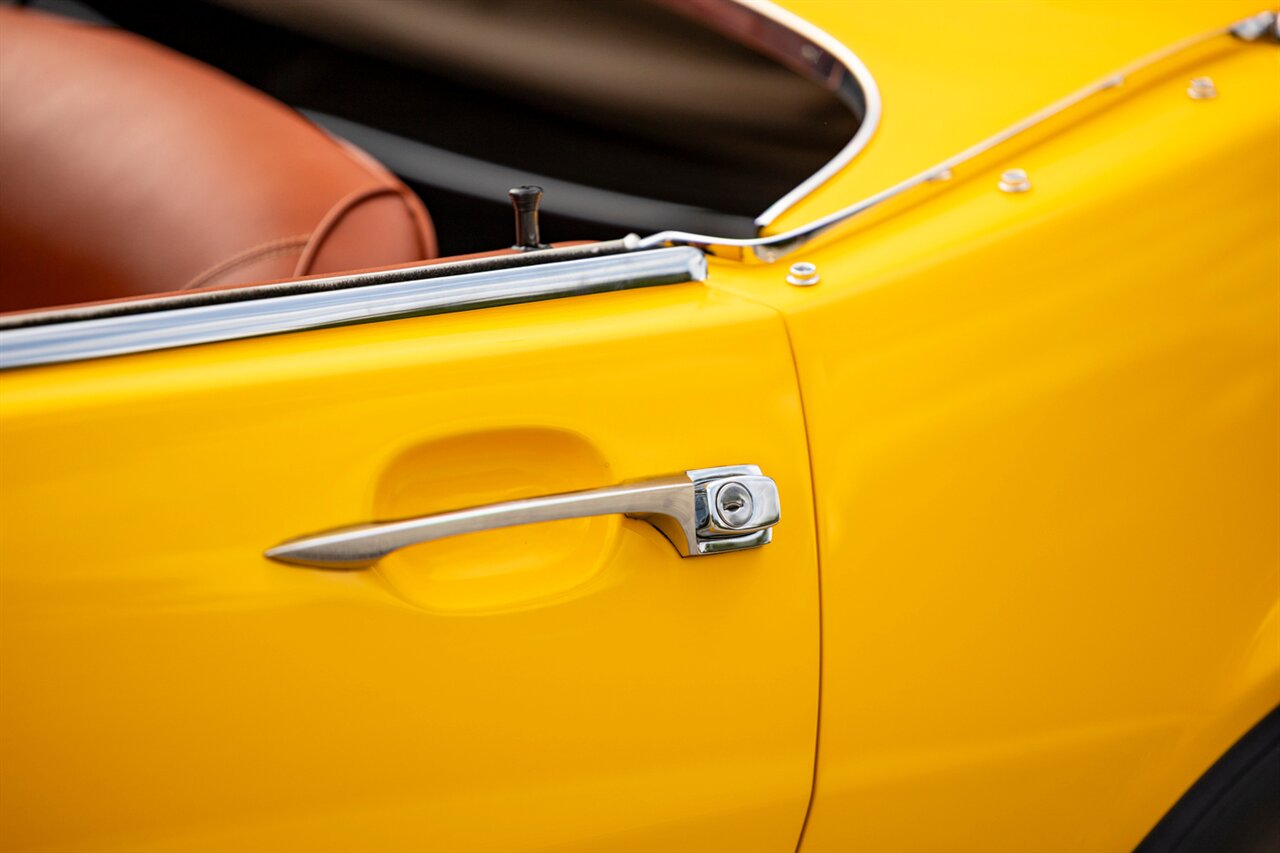
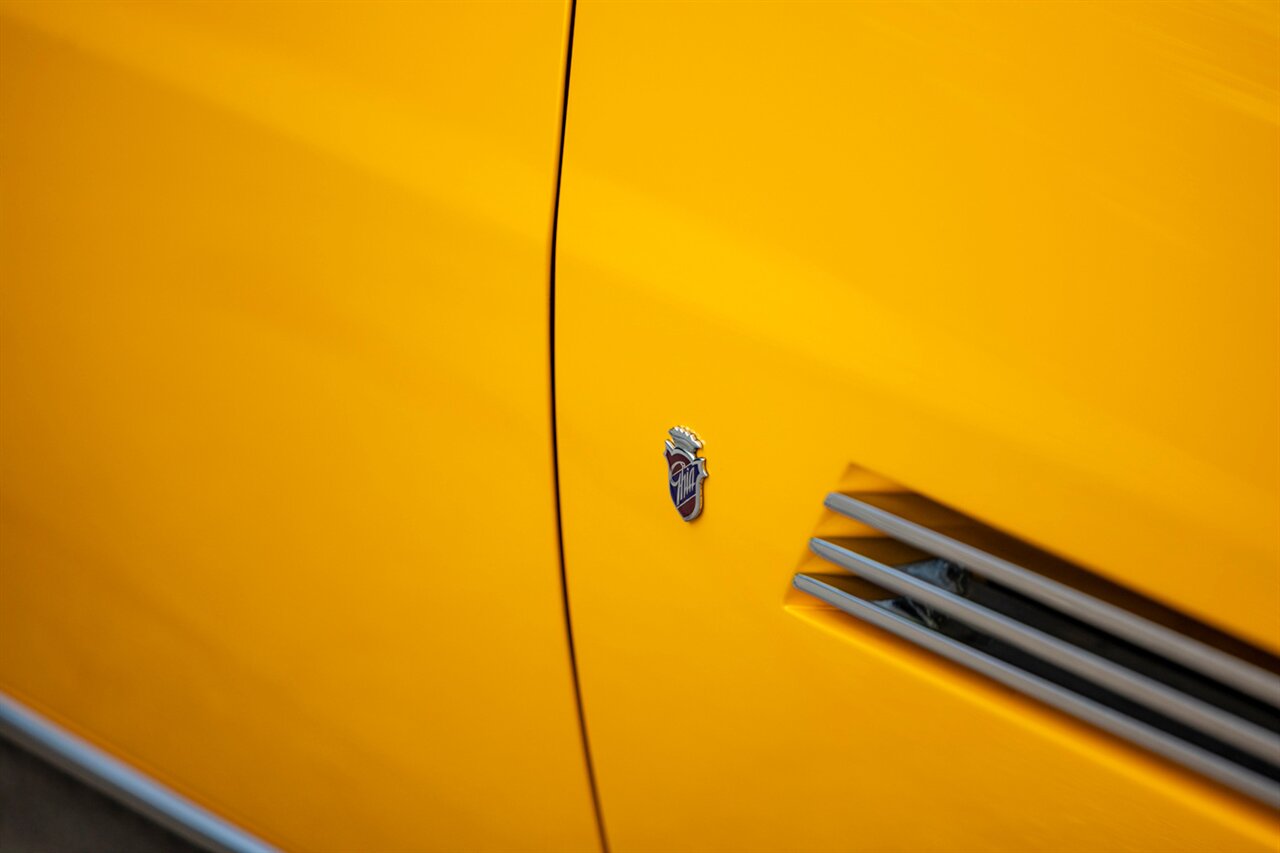
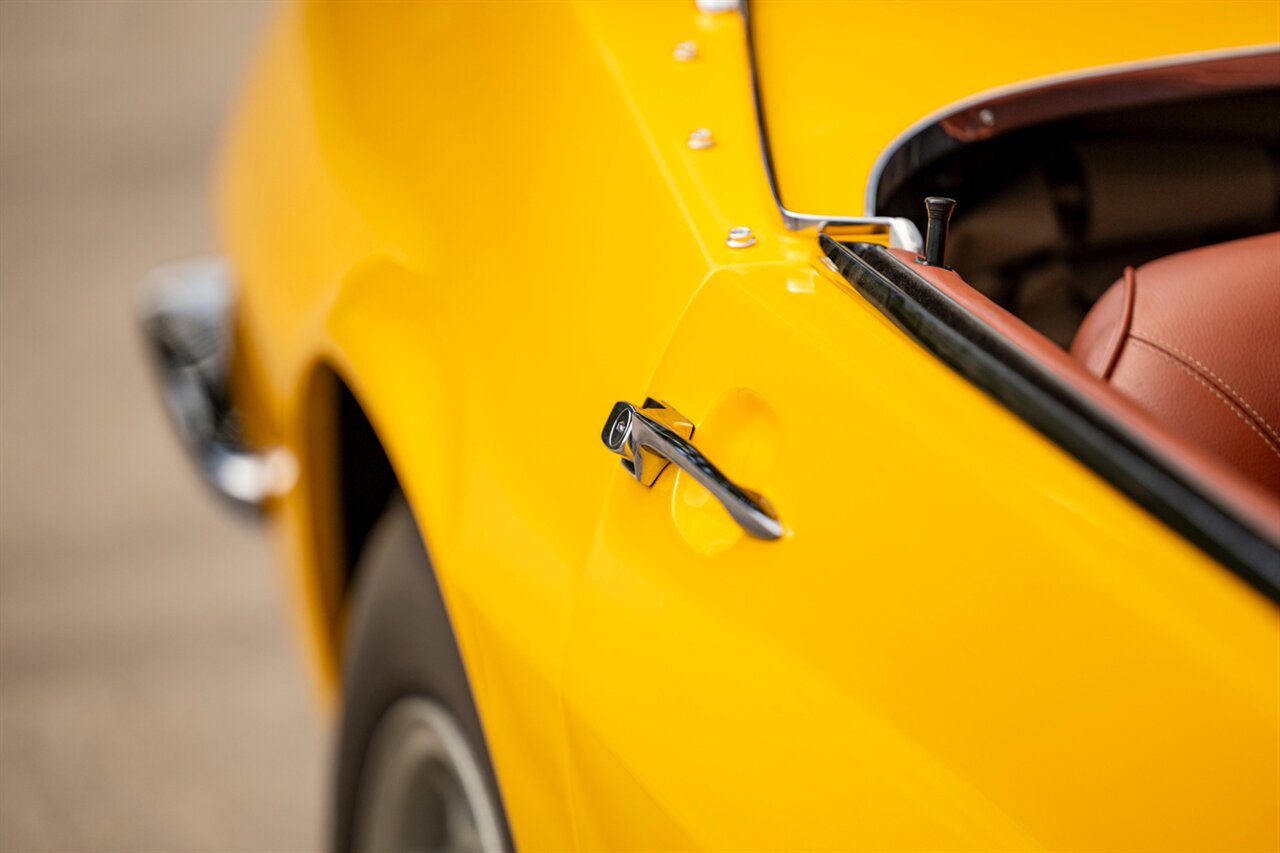
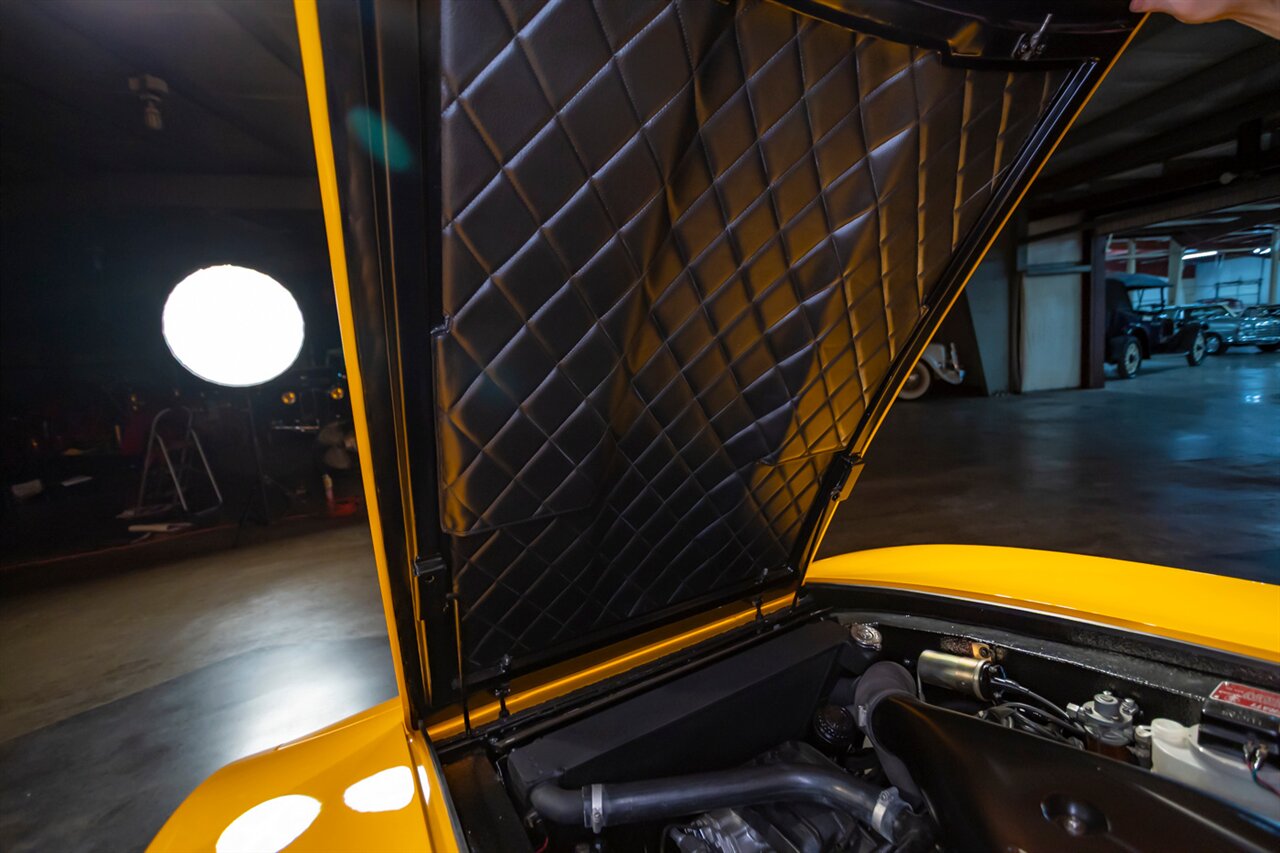
The importance of this particular Maserati extends beyond its status as the first example produced. As the original development prototype, AM115/S 1001 incorporates several unique design elements that distinguish it from the production Ghibli Spyders that followed. Among the most noticeable differences are the recessed exterior door handles, which are integrated into the door panels rather than mounted in the manner adopted for production cars. The prototype also lacks the external fuel filler doors found on later Spyders, with its fuel filler caps instead accessed through the luggage compartment.
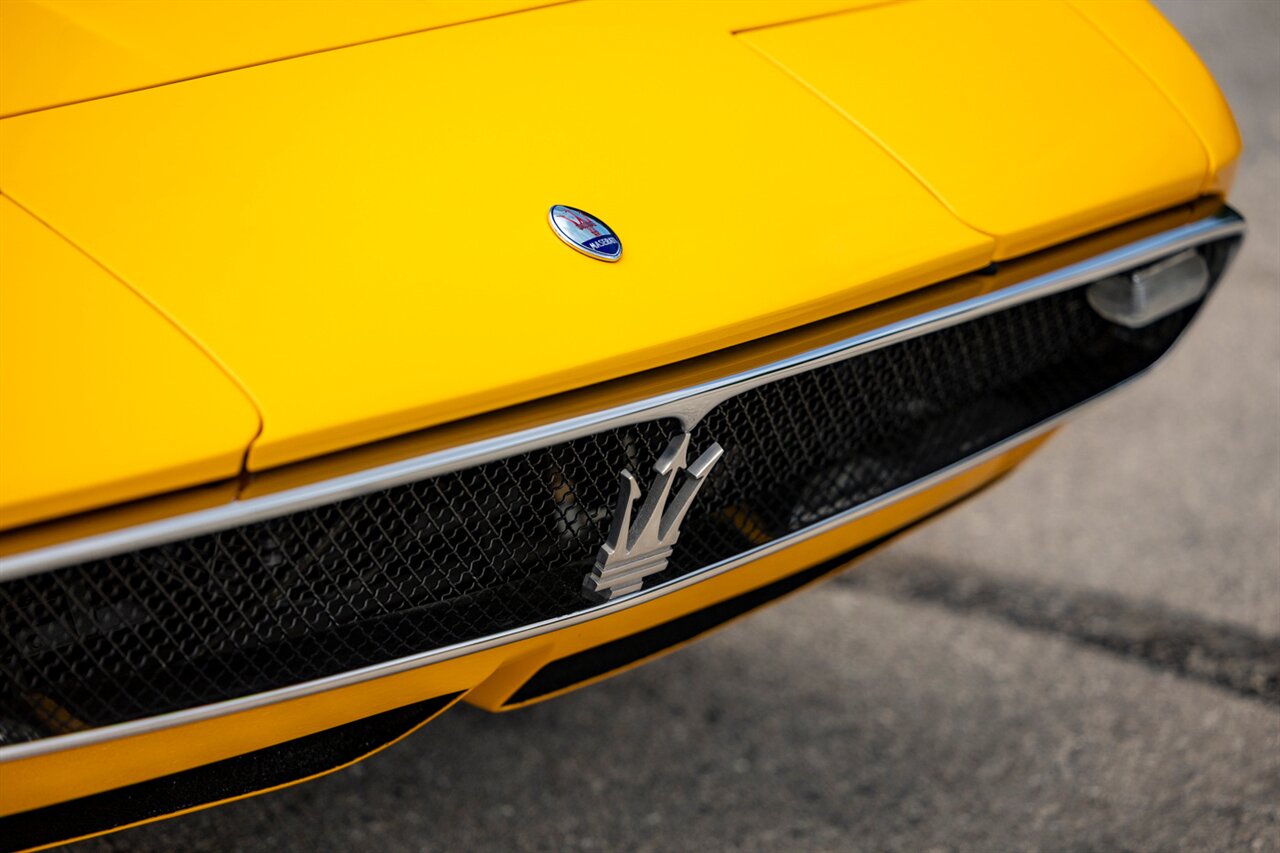
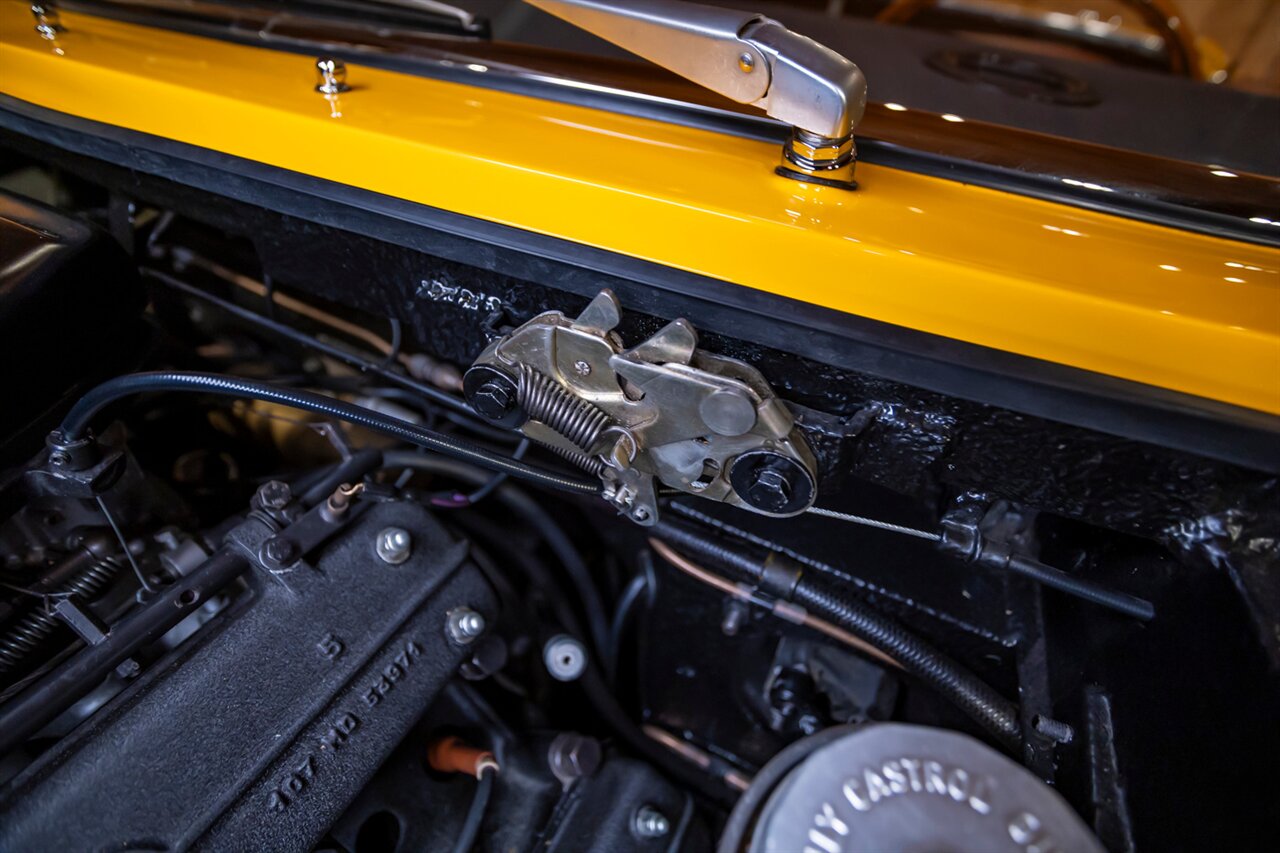
Additional distinctions include an extended rear decklid featuring a strengthening character line, a differently positioned radio antenna, and a unique arrangement of the Maserati and Ghibli badging on the rear fascia. The luggage compartment release mechanism also operates differently from that of production examples. These subtle but important variations reflect the experimental nature of the prototype and provide a fascinating insight into the development of one of Maserati's most celebrated models.
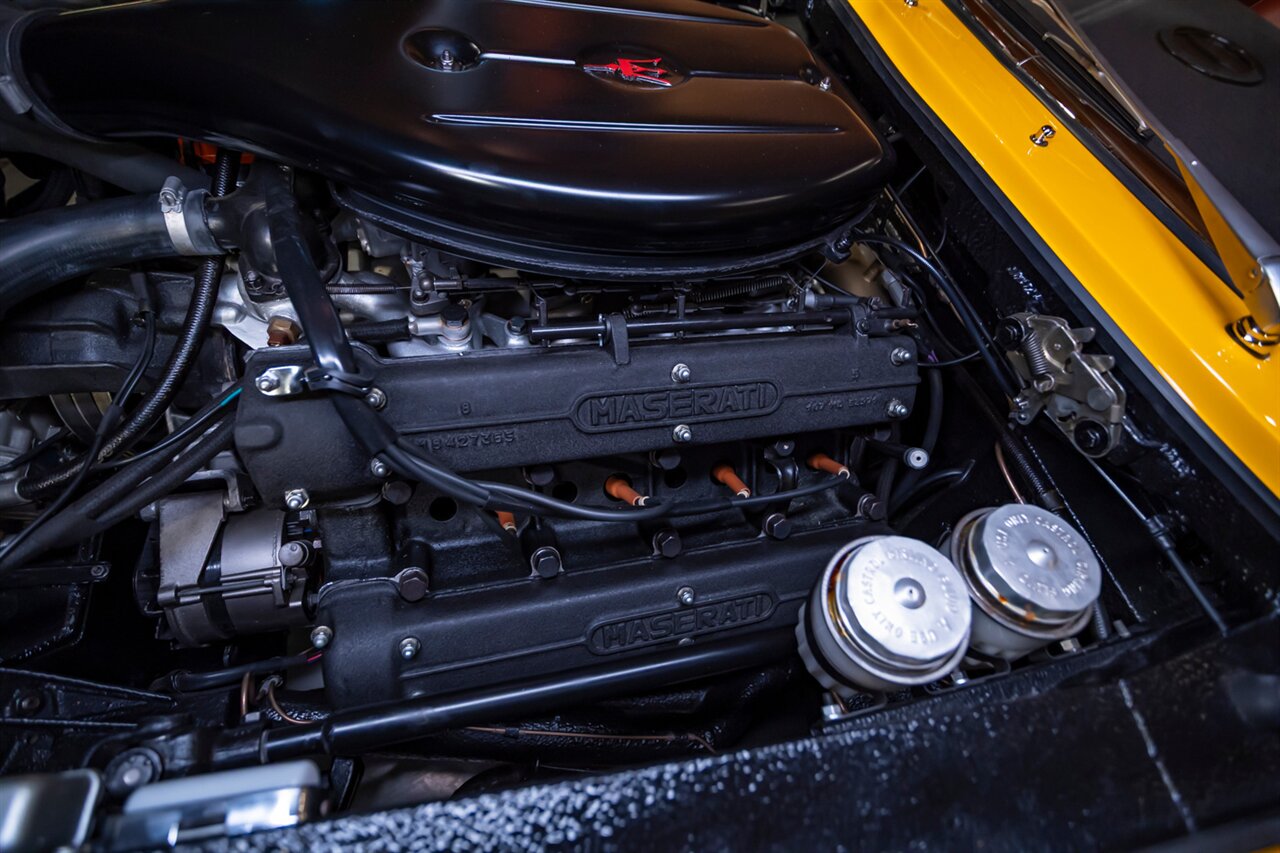
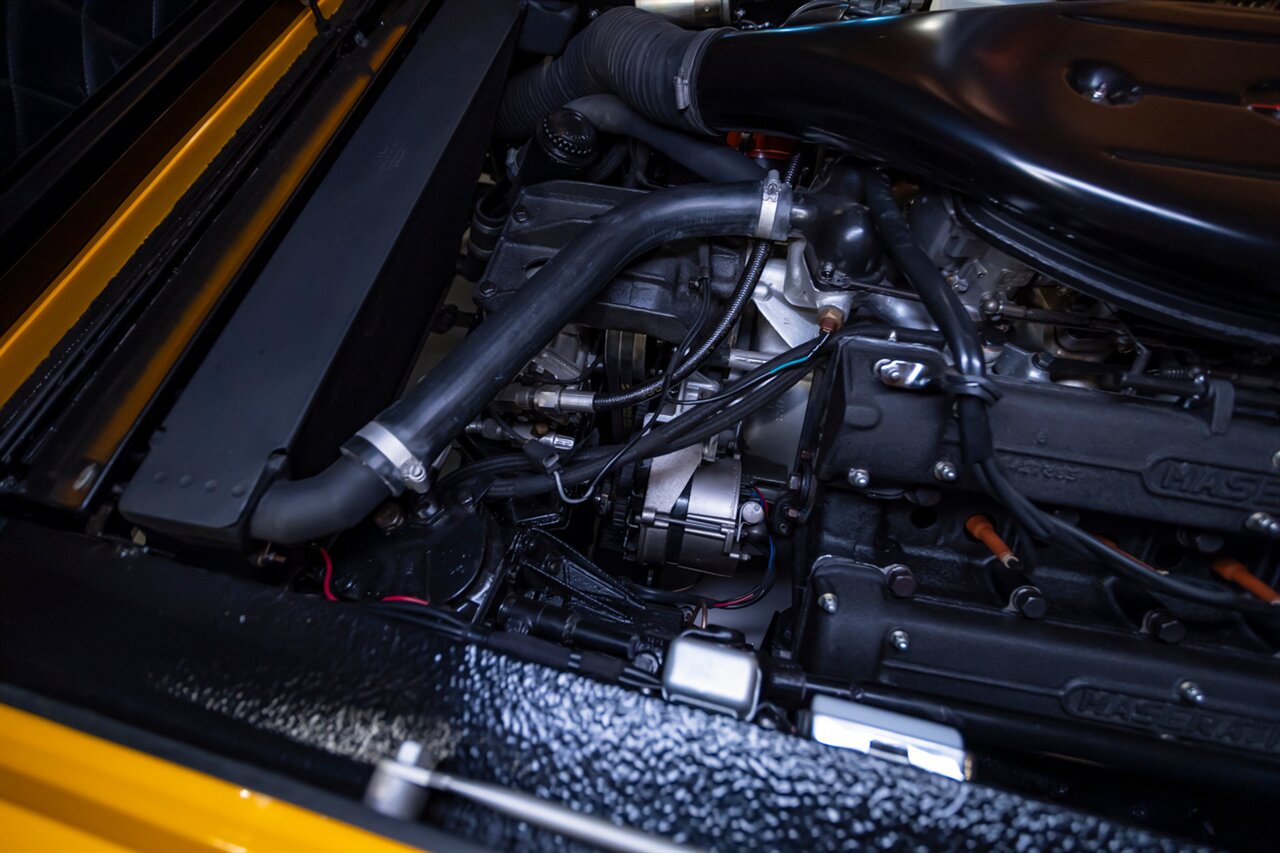
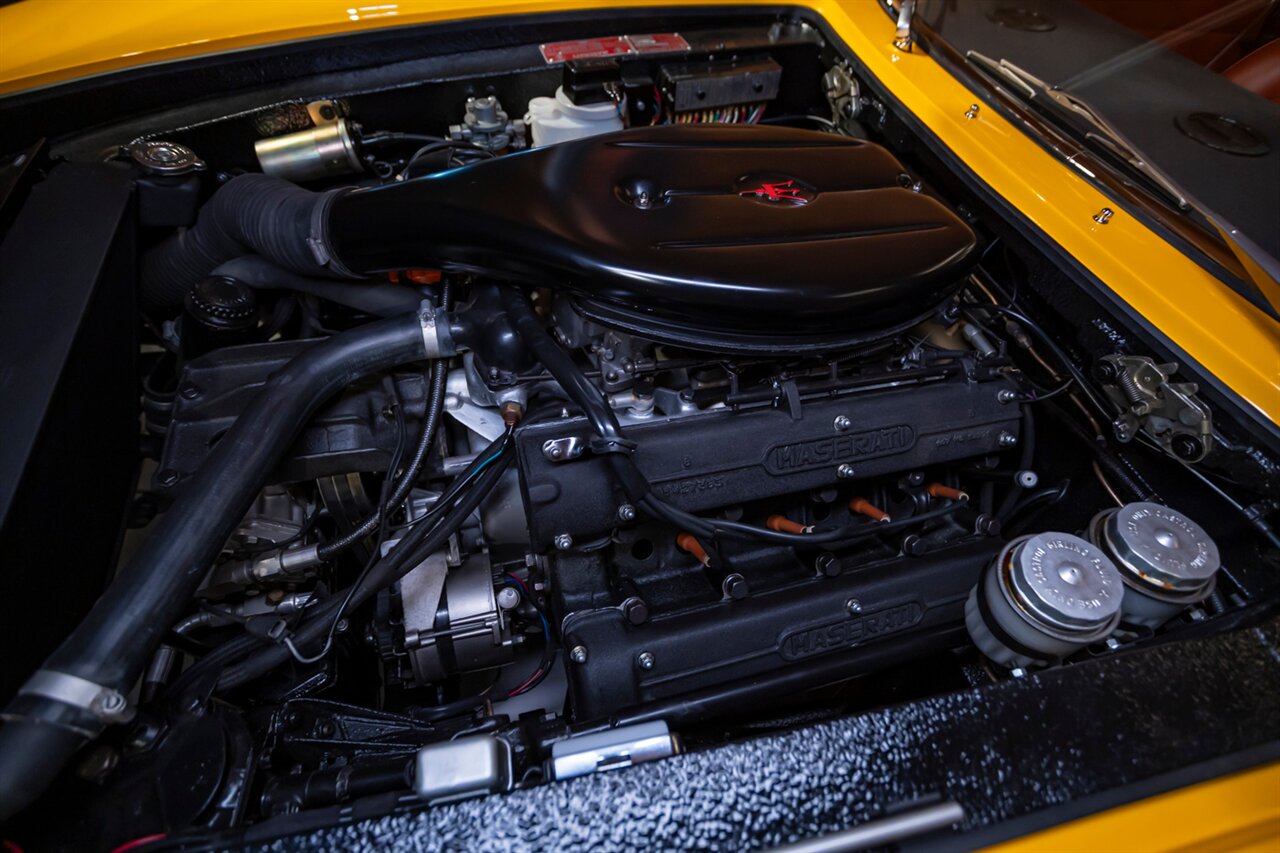
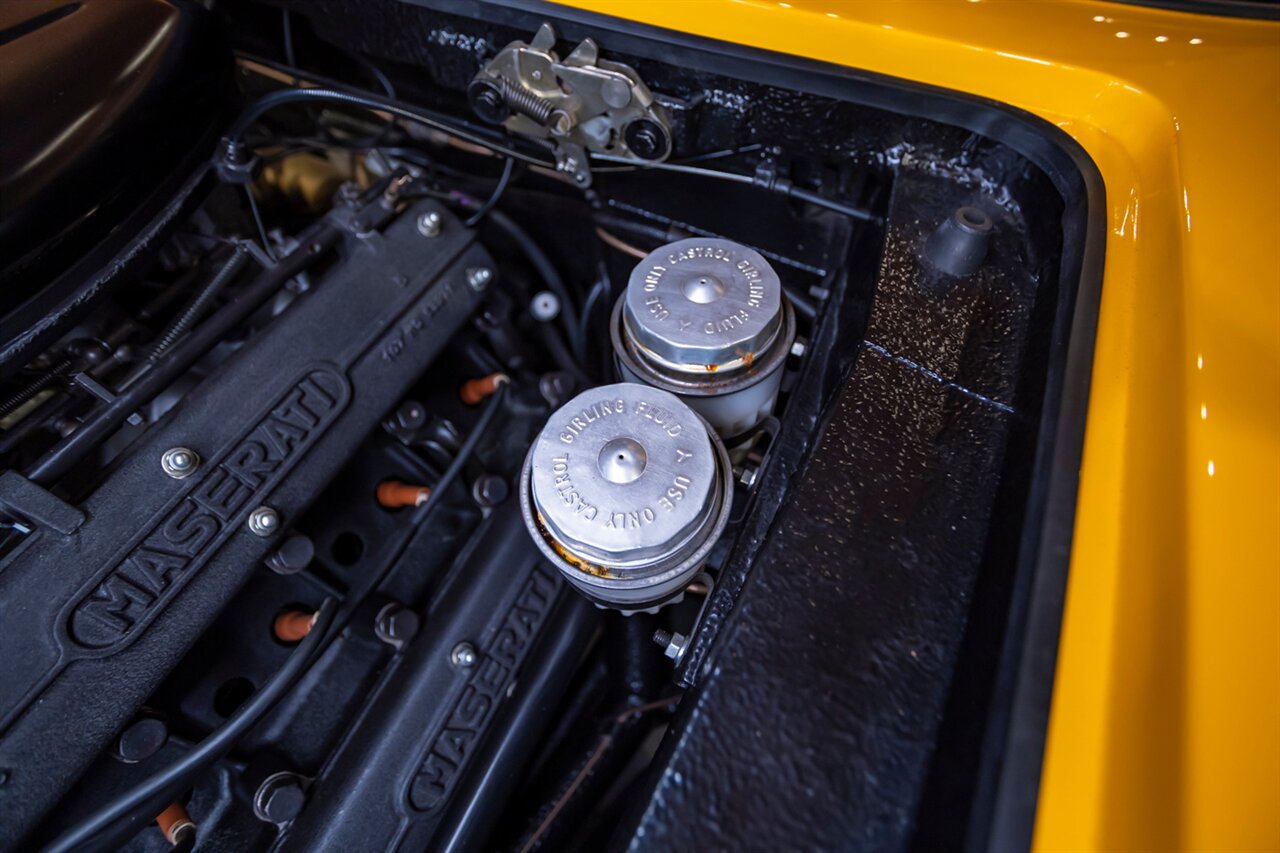
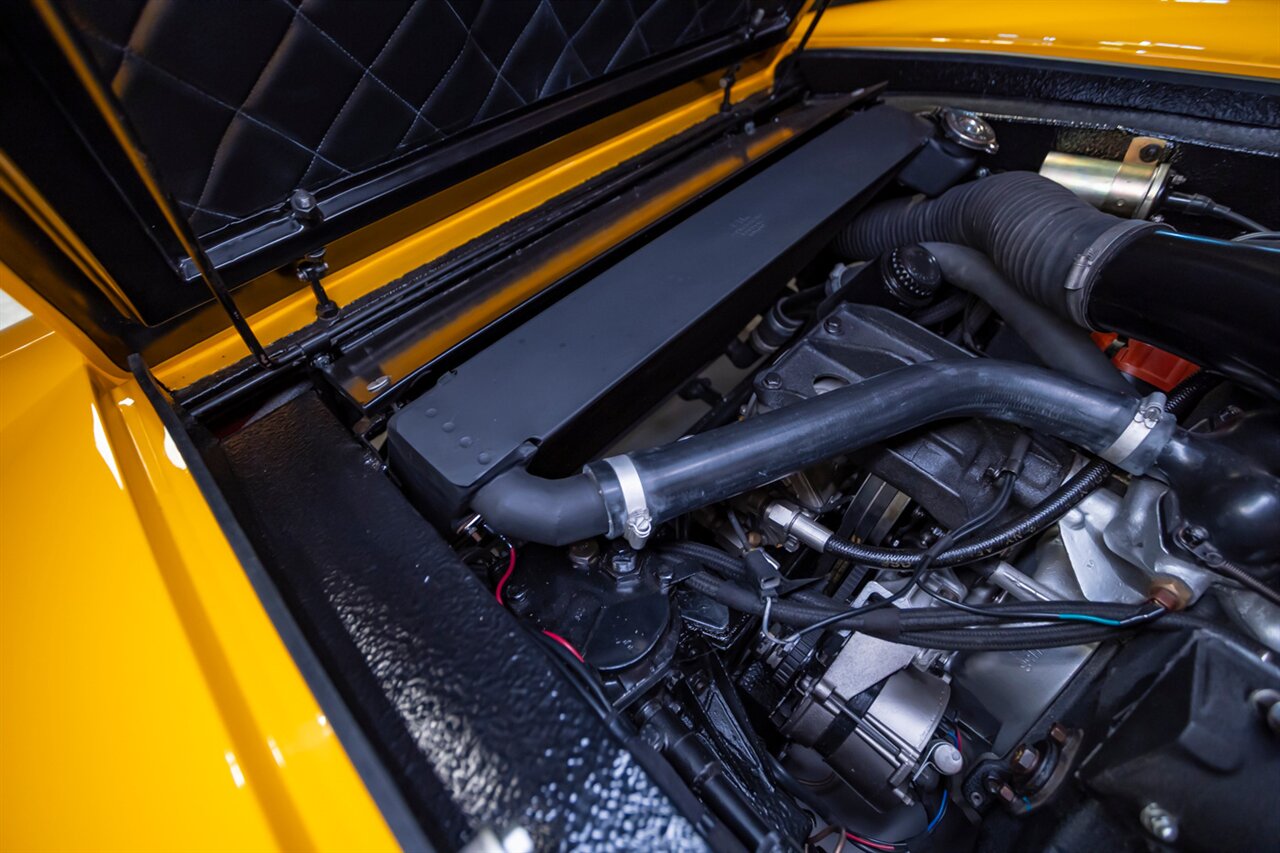
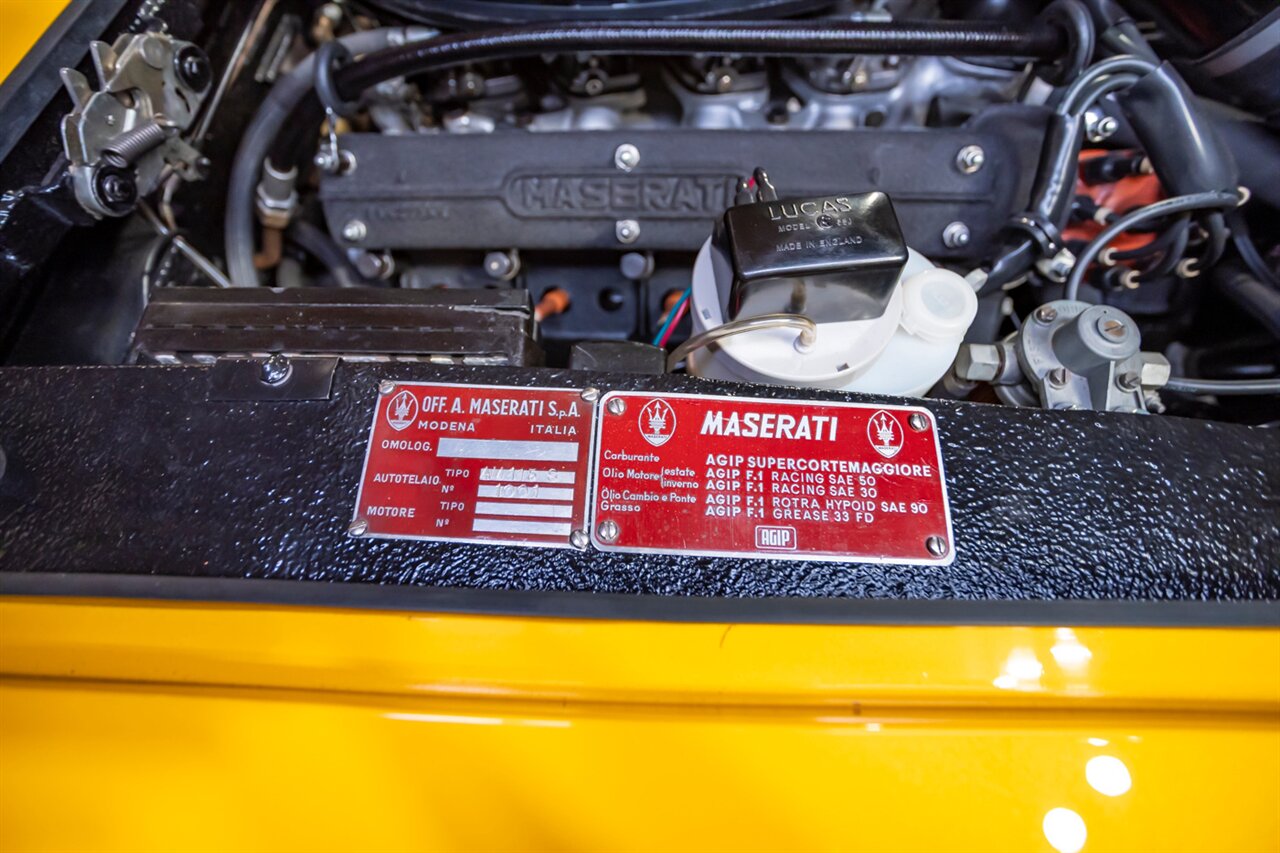
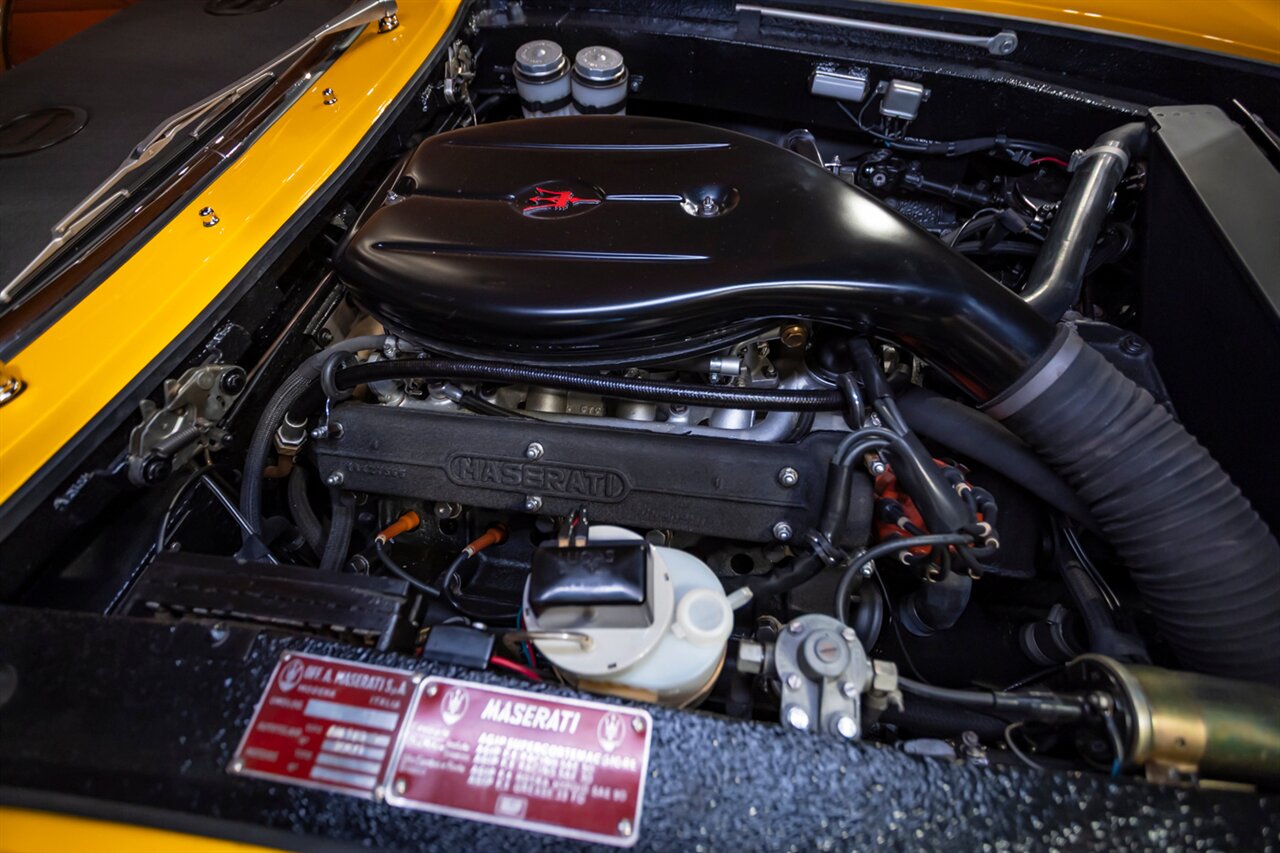
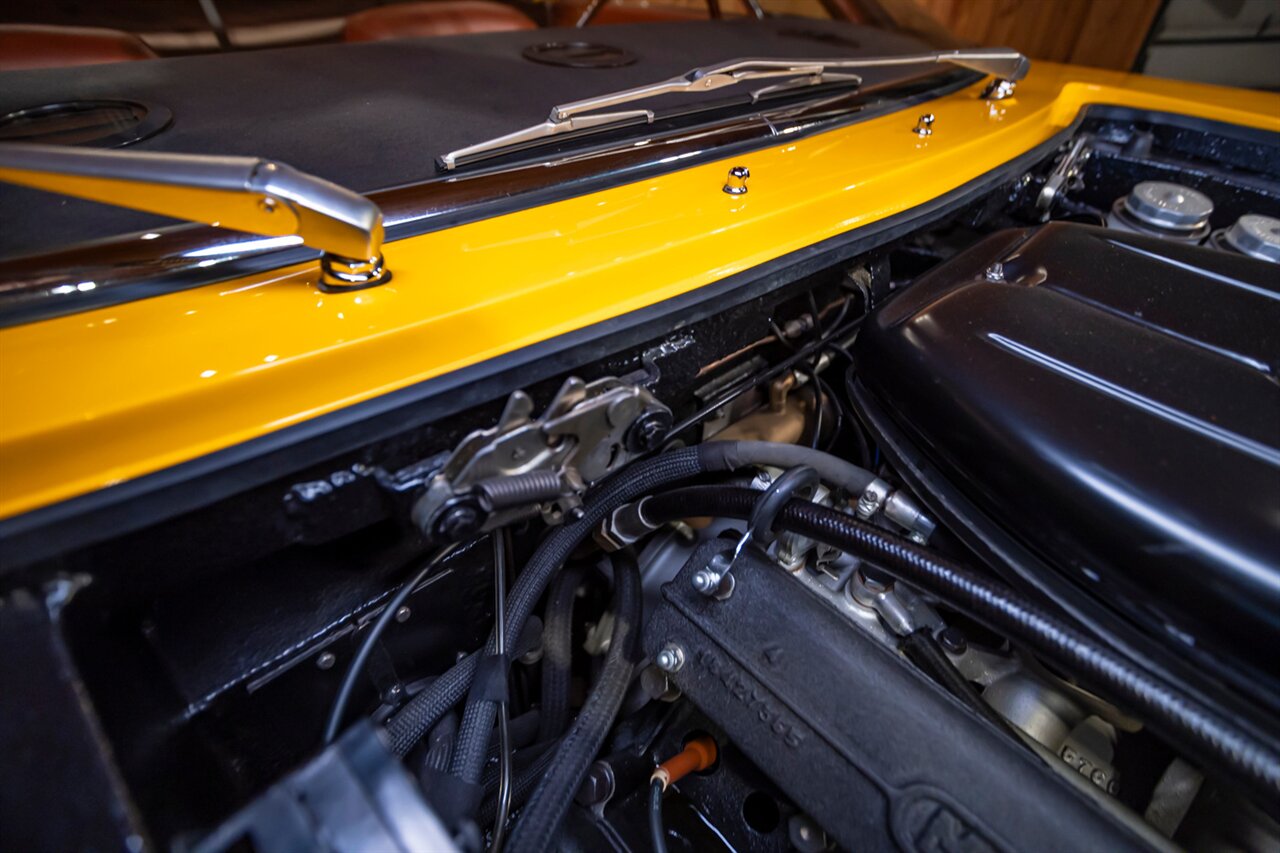
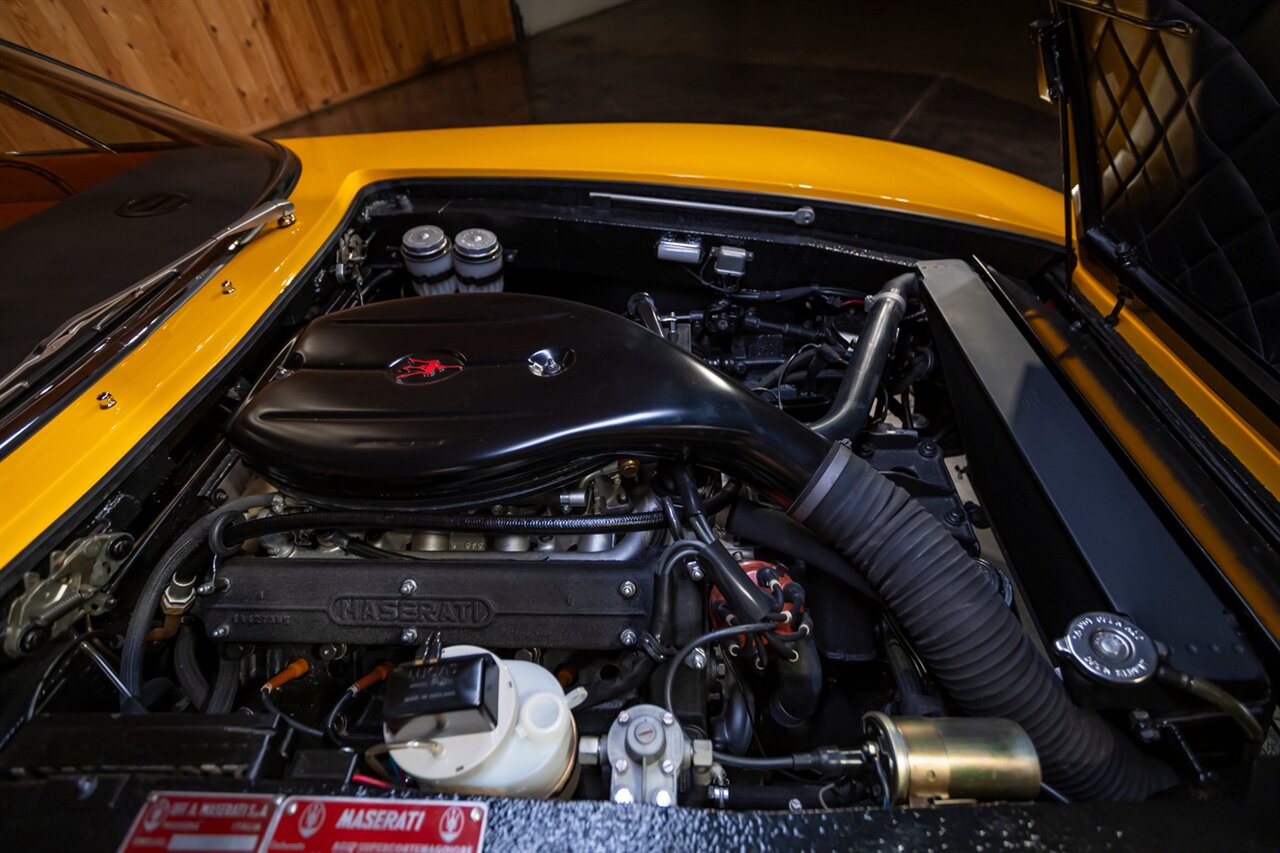
Power is supplied by Maserati's 4,719cc dual-overhead-camshaft V8 engine, equipped with four Weber carburetors and paired with a five-speed manual transmission. Period auction specifications have rated the engine at approximately 330 horsepower, providing the performance and distinctive mechanical character associated with Maserati's grand touring automobiles of the era. The chassis incorporates independent front suspension, a live rear axle with semi-elliptical leaf springs, and four-wheel hydraulic disc brakes. Notably, the prototype's cylinder heads feature additional impressions originally intended to accommodate a twin-spark ignition arrangement, another distinctive characteristic associated with the early development of Maserati's 4.7-liter V8.
Following its appearances at Turin and Geneva, this Maserati was retained by the factory for testing and development before being released for private ownership in October 1969. Historical factory documentation indicates that the prototype was ordered for the Capuano family of Barletta, Italy, in September 1969 and delivered the following month. While earlier auction documentation identifies Antonio Capuano as its first owner, subsequent research into Italian registration records identifies Giuseppe Capuano as the registered owner. These records, together with factory correspondence, provide a documented account of the automobile's early history.
The car subsequently remained in Italy until 1975, when it was imported to the United States. It was acquired by an Italian-born Ferrari mechanic residing in Rhode Island before passing to his son-in-law, who enjoyed the Maserati sparingly before placing it into storage in 1986. At that time, a Rhode Island inspection sticker documented an odometer reading of approximately 66,144 kilometers. The prototype would remain largely unseen for nearly three decades.
When the car emerged from storage, it underwent extensive mechanical recommissioning by Classic and Exotic Service in Troy, Michigan. The work included rebuilding its four Weber carburetors, servicing the braking and clutch hydraulic systems, rebuilding the water pump, replacing various hoses and belts, and addressing other mechanical components necessary to return the car to running condition. At the time, the prototype retained a remarkable degree of originality, including its factory interior, distinctive prototype-specific components, and numerous original finishes.
Following its recommissioning, this Maserati returned to the concours circuit in 2014, making its first public appearance in nearly thirty years at the Concours d'Elegance of America in Plymouth, Michigan, where it received the Debut Award. Later that year, the prototype was displayed at the Hilton Head Island Concours d'Elegance, earning a Palmetto Award during the celebration of Maserati's centennial.
Following its appearance at RM Sotheby's Monterey auction in 2015, this Maserati entered the collection of James Patterson of Lexington, Kentucky, who commissioned an extensive restoration by RM Auto Restoration, one of North America's most respected restoration facilities. According to historical auction documentation, the comprehensive mechanical and cosmetic restoration was completed in August 2018, with the reported cost exceeding $422,000.
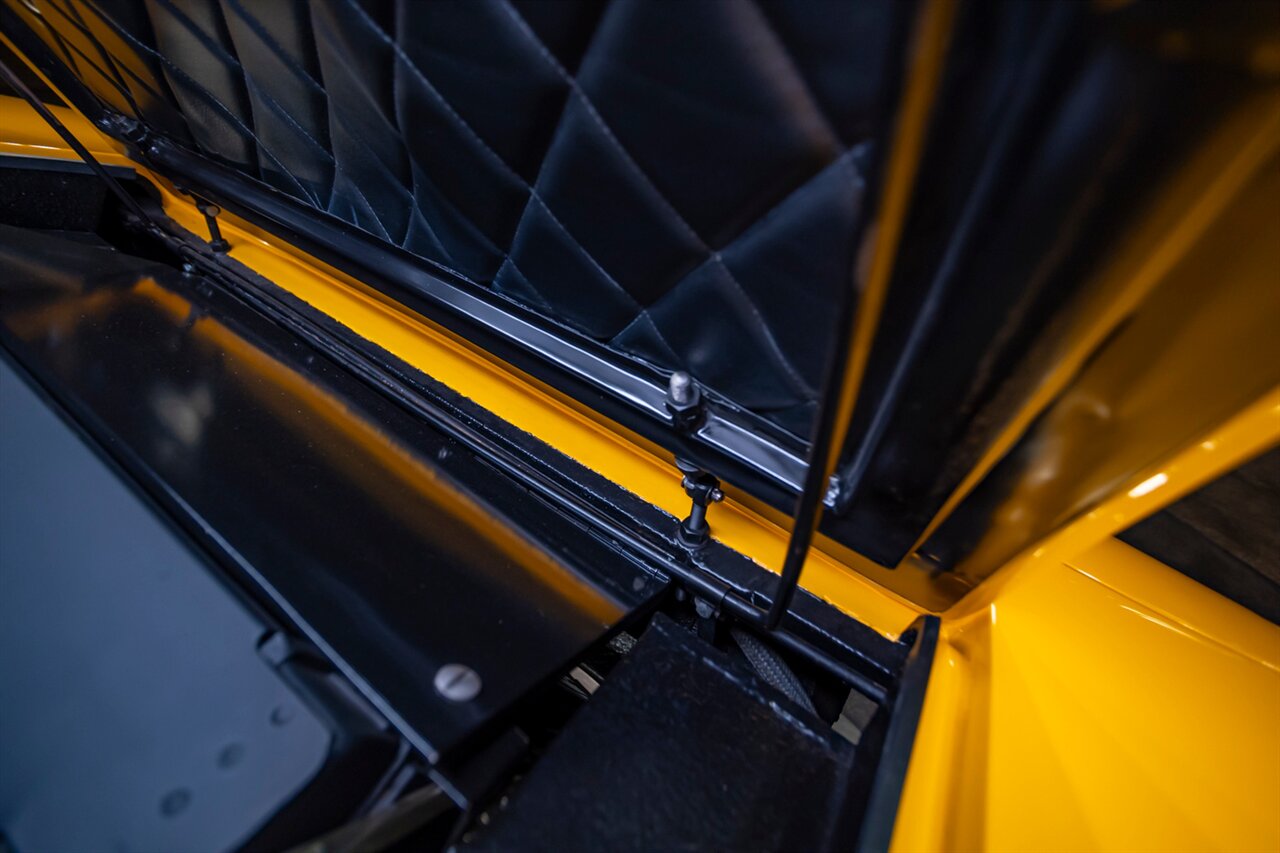
The restoration included a complete rebuild of the 4.7-liter V8 engine, incorporating new pistons, piston rings, connecting rods, bearings, valve springs, and valve guides. The four Weber carburetors were rebuilt, along with the distributor and five-speed manual transmission. Additional mechanical work included re-coring the radiator, installing a new wiring harness, water pump, and hoses, and comprehensively rebuilding the suspension and braking systems.
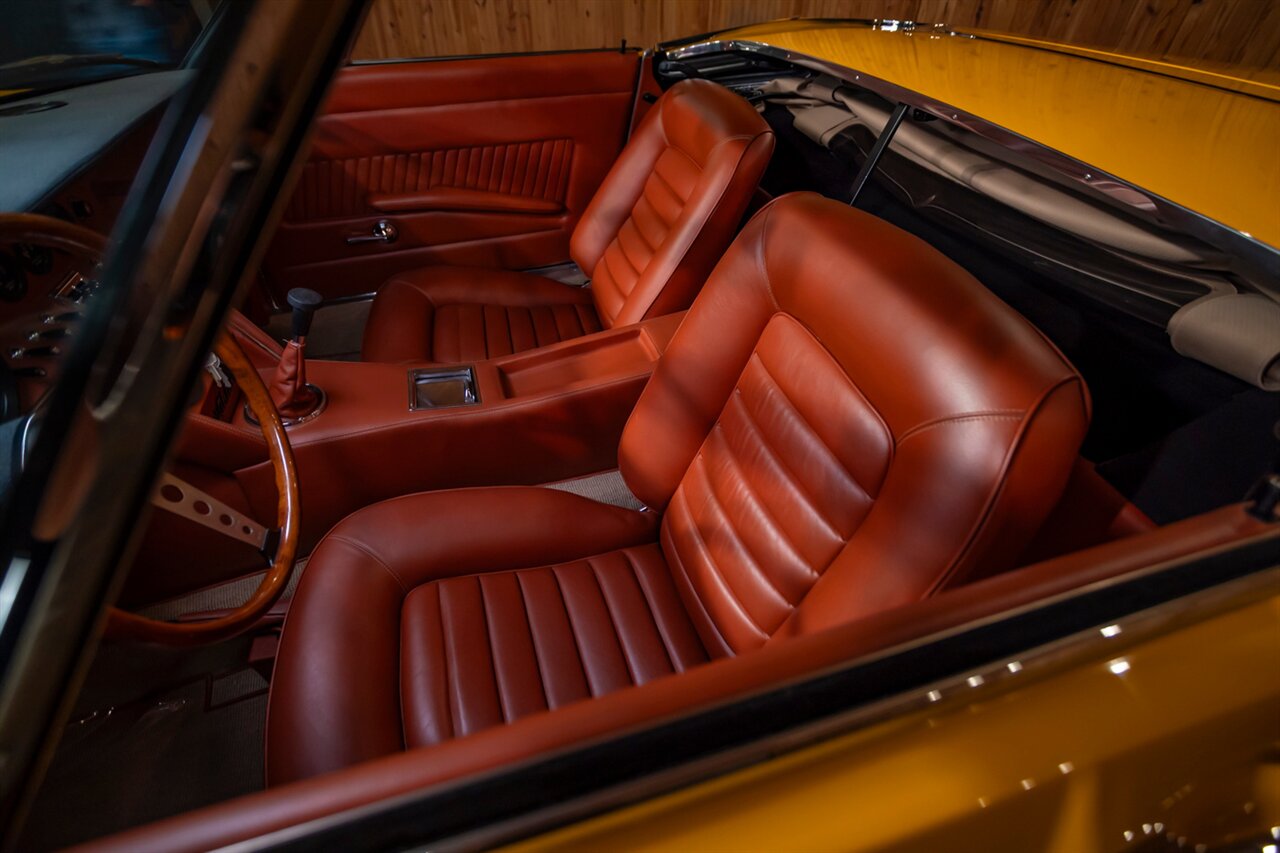
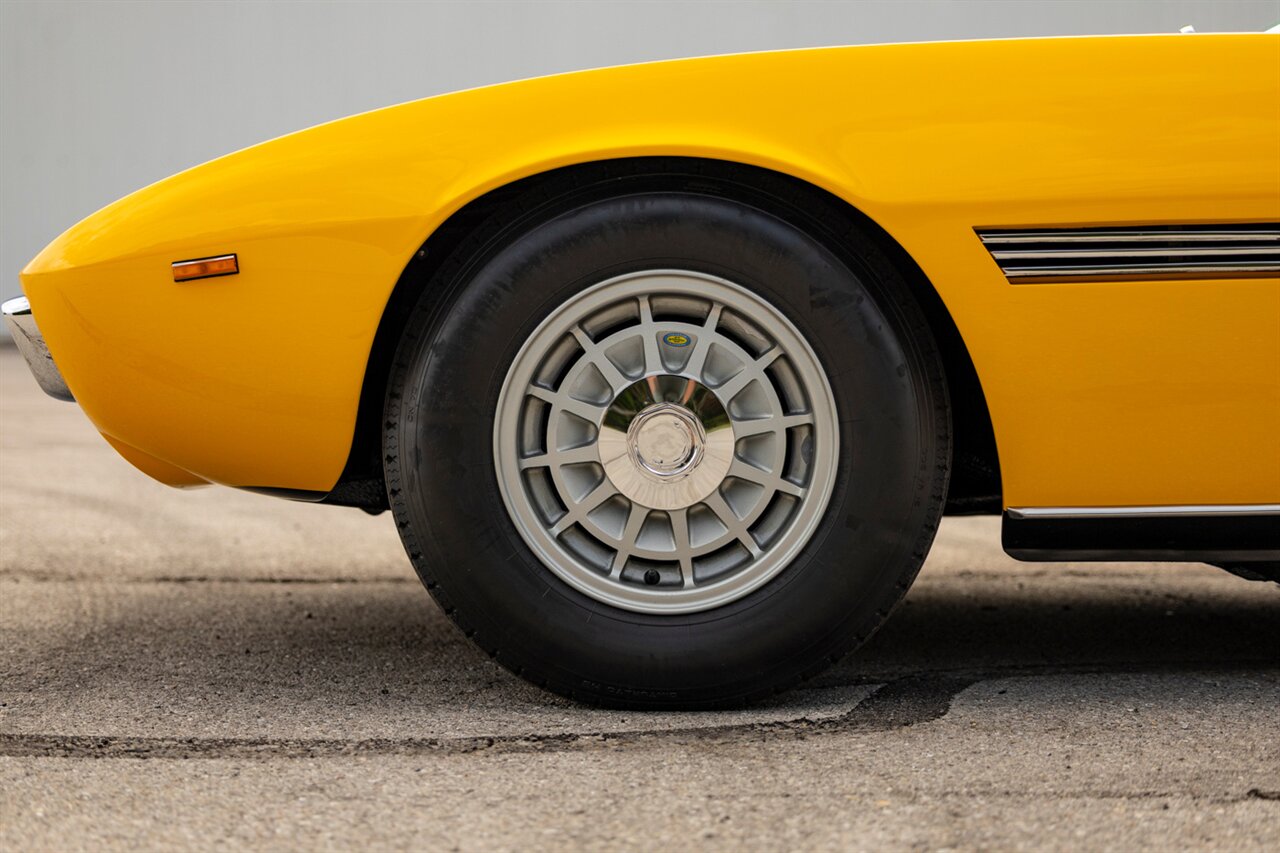
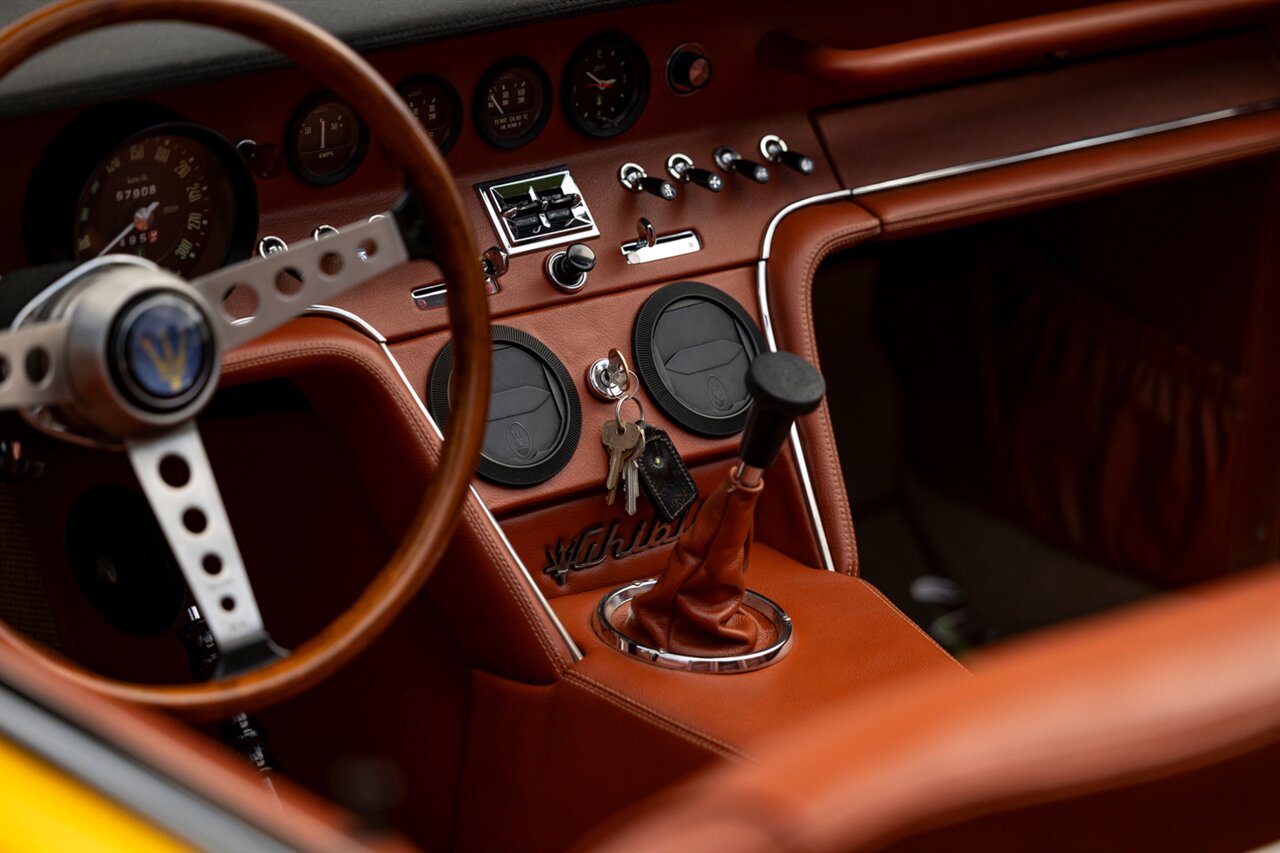
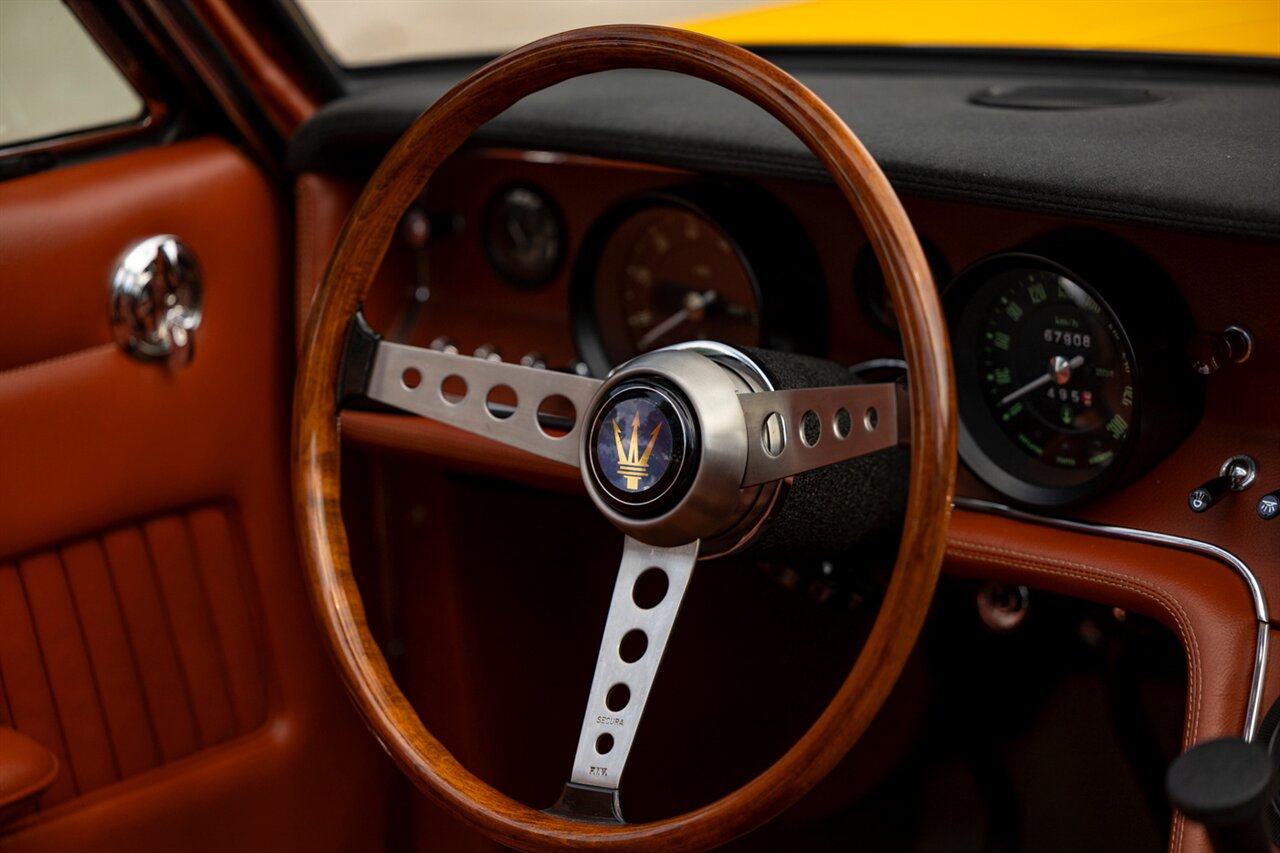
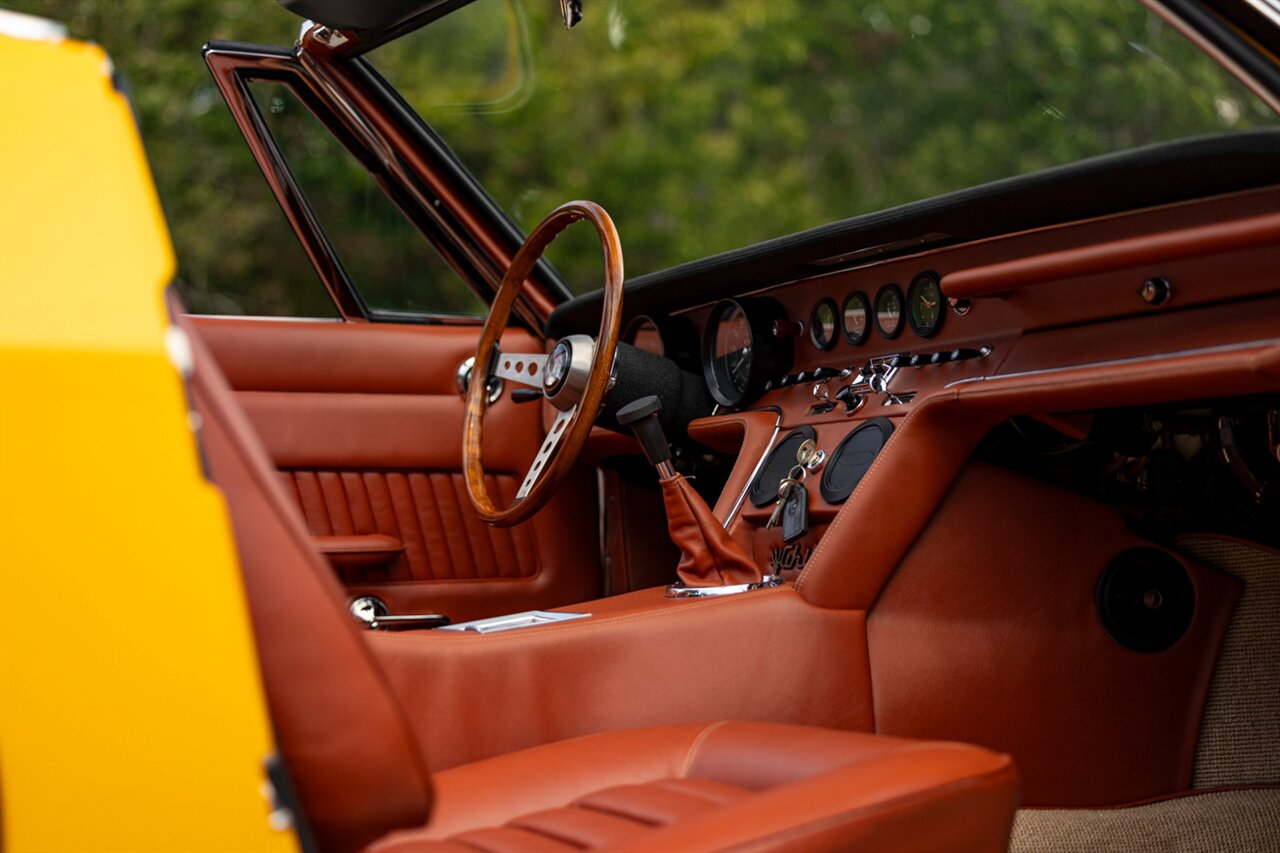
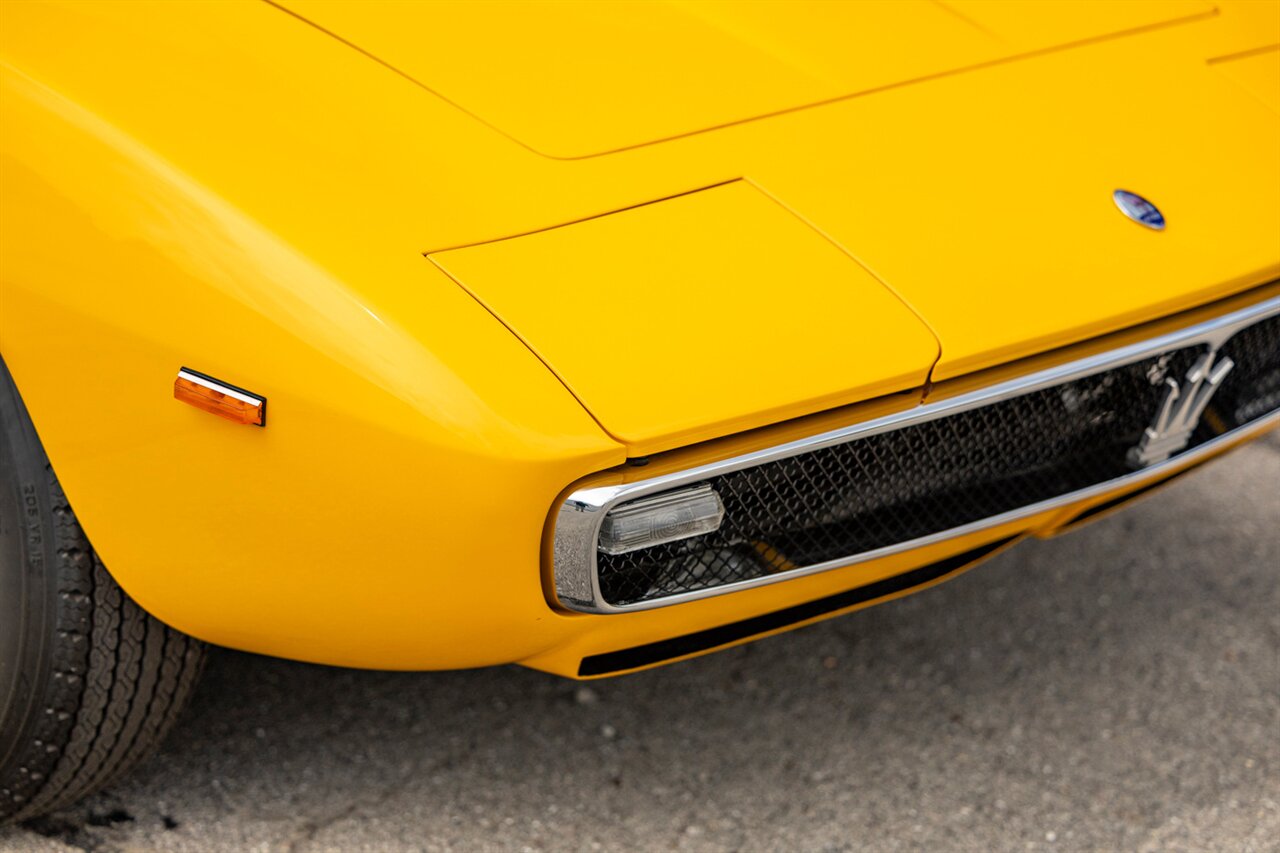
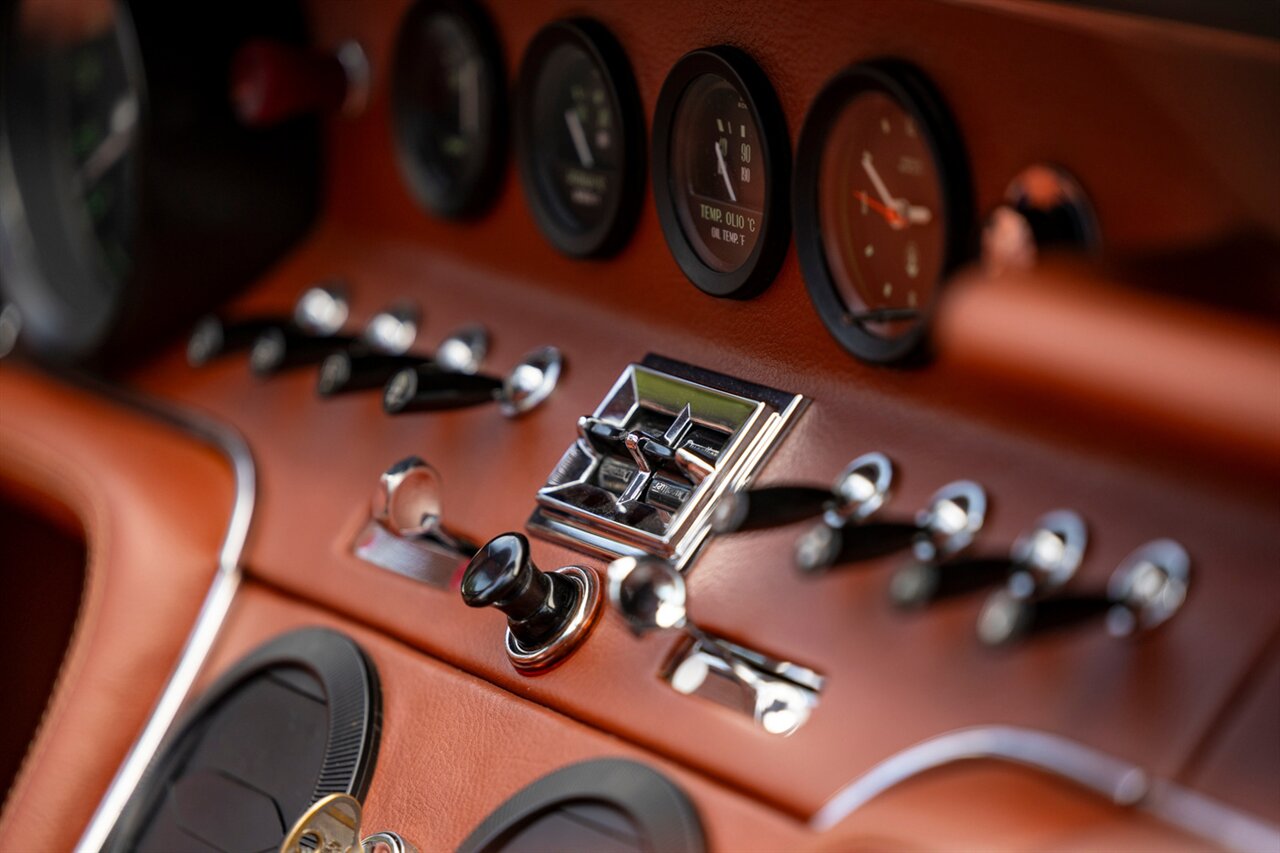
The coachwork was stripped to bare metal and refinished in its original Giallo, while the interior was retrimmed in correct Testa di Moro leather, with new carpeting and a properly finished mousehair dashboard. The convertible top was rebuilt and fitted with new brown canvas, the Campagnolo alloy wheels were refurbished and fitted with Pirelli Cinturato tires, and the brightwork was replated. The windshield and gasket were also replaced as part of the restoration.
The restoration returned the prototype to its original color combination while retaining the distinctive pre-production features that separate chassis AM115/S 1001 from the production Ghibli Spyders that followed. Although the restoration was extensively detailed in previous auction documentation, the original restoration invoices and supporting records have not been confirmed as accompanying the vehicle today.
Following its restoration, this Maserati was also displayed once at Amelia Island, according to its current owner. The appearance provided another opportunity for enthusiasts to appreciate the significance of the first Ghibli Spyder and its place within the development of Italian grand touring design.
Perhaps most importantly, the identity of chassis AM115/S 1001 as the first Maserati Ghibli Spyder has been confirmed by Maserati Classiche. Historical factory records establish its role as the original Turin Motor Show prototype and subsequent development vehicle. Both the chassis and engine have historically been identified with the AM115/S 1001 designation, further distinguishing this Maserati as the original example from which the production Ghibli Spyder was developed.
Acquired by its current owner in 2022, this Maserati remains an exceptional example of Italian automotive design and engineering. Its Giallo exterior and Testa di Moro leather interior reflect the striking color combination in which the prototype was originally introduced to the public in Turin. With 67,908 kilometers indicated, this one-of-one Maserati combines a documented factory history, unique pre-production features, and a comprehensive restoration by one of North America's most respected restoration facilities.
As the first Maserati Ghibli Spyder ever produced, chassis AM115/S 1001 occupies a singular position in the history of the marque. Its debut on the Ghia stand at the 1968 Turin Motor Show, subsequent appearance at Geneva, use by Maserati in developing the production Spyder, verification by Maserati Classiche, and later restoration by RM Auto Restoration establish this automobile as far more than an early example of a celebrated model. It is the original Ghibli Spyder prototype, a one-of-one automobile that represents the beginning of one of Maserati's most recognizable open-top grand touring designs.
Additional Photos
click on a thumbnail to view full-size photos
Contact Information
Vehicle Features & Options
Vehicle Condition & History
.
Shipping Information

We recommend ShipMyVehicle.com for vehicle shipping.
Dealership Information
Contact Us
Name:
Main Phone:
Alt. Phone:
Email:
Business Hours
| Mon: | 9-5 |
|---|---|
| Tue: | 9-5 |
| Wed: | 9-5 |
| Thu: | 9-5 |
| Fri: | 9-5 |
| Sat: | By Appointment |
| Sun: | Closed |
Location
2841 E Industrial Dr
Springfield, MO 65802
Springfield, MO 65802
